
Hantavirus latest: More cases confirmed on cruise ship - WHO says 'not another COVID-19'
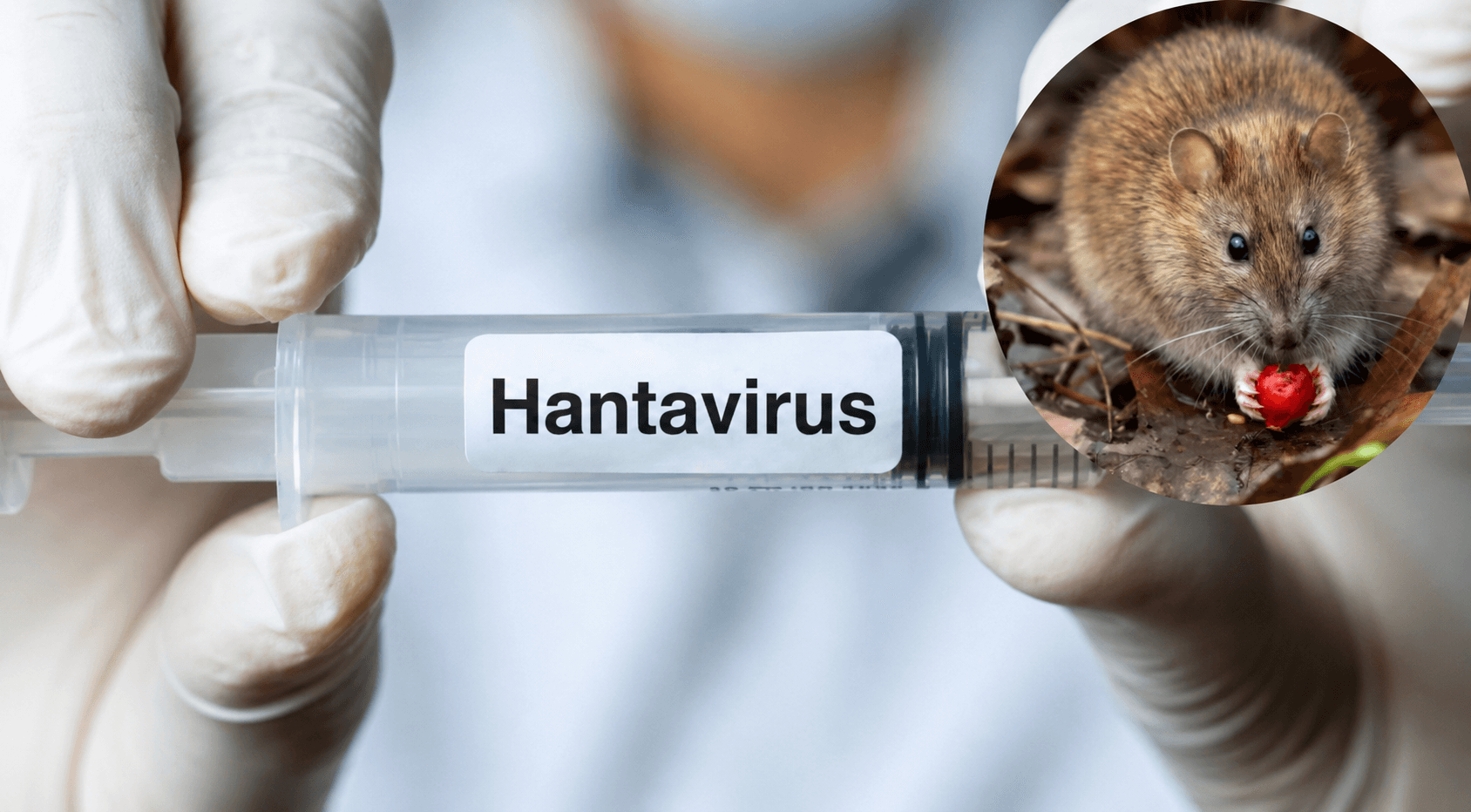
A remote expedition cruise near Argentina has suddenly become the center of a global health discussion. The MV Hondius, a polar expedition vessel known for Antarctic voyages, reported multiple hantavirus infections among passengers and crew after weeks of uncertainty surrounding unexplained illnesses.
The incident quickly drew international attention. Health agencies moved to assess the risks, while the World Health Organization clarified that the outbreak does not resemble another COVID-19 style emergency. Even so, experts continue to monitor the situation carefully because hantavirus infections carry high fatality risks in severe cases.
The outbreak also highlights a larger issue. Cruise ships remain vulnerable environments for infectious disease transmission, especially when symptoms appear late and medical access becomes limited during long voyages.
How the MV Hondius Hantavirus Outbreak Unfolded
The outbreak reportedly began during an expedition voyage operating near Argentina’s southern region. Several passengers initially developed flu like symptoms, including fever, fatigue, headaches, and breathing difficulties. At first, authorities did not immediately identify hantavirus as the cause. That delay complicated containment efforts because early symptoms closely resemble common viral infections.
Medical investigations later confirmed hantavirus infections among multiple individuals onboard. Reports indicate that several confirmed cases emerged before authorities isolated the affected passengers and intensified monitoring measures.
The delayed identification became a major concern because the ship continued operating while infected individuals remained onboard for days. Health officials then initiated testing, contact tracing, and quarantine protocols to limit additional exposure.
What Is Hantavirus and Why Is It Dangerous?
Hantavirus is a rare but potentially deadly virus primarily spread through exposure to infected rodent urine, droppings, or saliva. Humans often become infected after inhaling contaminated airborne particles in enclosed spaces. Unlike COVID 19, hantavirus does not typically spread easily between humans. However, certain strains found in South America have shown limited person to person transmission under close contact conditions.
The disease can rapidly escalate after initial symptoms. Patients may develop severe respiratory complications known as Hantavirus Pulmonary Syndrome. In critical cases, lung failure and cardiovascular collapse can occur within days. Mortality rates vary by strain and treatment access. Some outbreaks in South America have reported fatality rates exceeding 30 percent. That severity explains why global health agencies reacted quickly despite the relatively small number of confirmed cases.
Why the WHO Says This Is Not Another COVID 19 Situation
The World Health Organization attempted to calm public fears after concerns spread online regarding another potential pandemic event. Health experts stressed several important differences between hantavirus and COVID 19.
First, hantavirus spreads far less efficiently. COVID 19 moved rapidly through airborne human transmission across communities worldwide. Hantavirus infections usually require direct environmental exposure linked to rodents or very close contact in rare cases.
Second, outbreaks remain localized in most situations. Public health authorities already understand the virus, its transmission routes, and standard containment procedures.
Third, current evidence does not indicate widespread community transmission connected to the MV Hondius incident. Even so, experts continue to monitor passengers and crew because cruise ships create dense and enclosed environments where infectious illnesses can become difficult to manage.
Why Cruise Ships Face Higher Outbreak Risks
Cruise ships operate as highly concentrated ecosystems. Thousands of people often share dining spaces, cabins, ventilation systems, and recreational areas for extended periods. That structure increases exposure risks when infectious diseases emerge onboard. The MV Hondius incident also revealed another challenge. Expedition voyages frequently operate in remote regions where medical infrastructure remains limited. Delays in diagnosis or evacuation can therefore intensify health emergencies.
In recent years, the cruise industry has invested heavily in health surveillance systems after the COVID 19 crisis severely disrupted global travel. However, experts say rare infectious diseases still present operational risks because symptoms may mimic routine illnesses during early stages. The latest outbreak could push operators to strengthen onboard screening and environmental safety protocols further.
What Authorities Are Doing Now
Health authorities in Argentina and international medical agencies continue investigating the outbreak timeline, transmission pathways, and exposure sources. Officials have reportedly focused on identifying whether infected individuals encountered contaminated environments before boarding or during the expedition itself.
Passengers and crew members linked to the voyage remain under observation in several jurisdictions. Authorities are also reviewing onboard sanitation practices and wildlife exposure risks associated with expedition tourism. Meanwhile, public health experts continue emphasizing awareness rather than panic. Early diagnosis significantly improves survival chances because rapid medical intervention can help manage respiratory complications before conditions worsen.
What This Means for Global Public Health
The MV Hondius outbreak arrives during a period when governments remain highly sensitive to infectious disease threats. Every unusual outbreak now attracts faster public scrutiny and stronger institutional responses than before the pandemic era. This event demonstrates how quickly localized health incidents can become international headlines. It also reinforces the importance of rapid pathogen identification, transparent communication, and coordinated containment measures.
For the travel industry, the outbreak serves as another reminder that health security has become a permanent operational priority rather than a temporary pandemic era adjustment. For governments and health agencies, the situation underscores the need for stronger disease surveillance in remote tourism corridors where environmental exposure risks remain difficult to monitor.
Could More Hantavirus Cases Emerge?
Experts say additional isolated cases connected to the voyage may still appear because hantavirus incubation periods can extend for several weeks. However, health authorities currently see no evidence suggesting a large scale international spread. The greater concern involves ensuring rapid diagnosis for exposed individuals. Symptoms often resemble influenza during the early phase, which can delay treatment decisions.
Medical experts therefore advise recent travelers connected to the voyage to seek immediate evaluation if respiratory symptoms develop. At the same time, epidemiologists continue studying whether environmental conditions or wildlife exposure patterns contributed to the outbreak cluster. The MV Hondius hantavirus outbreak has become a significant public health story because it combines several sensitive factors. The incident involved an international cruise ship, delayed diagnosis, a dangerous virus, and fears shaped by recent pandemic experiences.
Still, current evidence supports the WHO’s assessment that this situation differs fundamentally from COVID 19. The virus remains serious, but transmission appears far more limited and manageable under established containment protocols. The real lesson may lie elsewhere. Global travel networks now operate under constant infectious disease scrutiny. As expedition tourism expands into remote ecosystems, health preparedness and rapid medical response will increasingly define how effectively future outbreaks are controlled.
FAQ's
What is the MV Hondius hantavirus outbreak?
The outbreak refers to multiple hantavirus infections reported among passengers and crew aboard the expedition cruise ship MV Hondius near Argentina.
Is hantavirus contagious between humans?
Most hantavirus strains spread through rodent exposure rather than human transmission. However, limited human to human transmission has been documented in some South American strains.
What are common hantavirus symptoms?
Symptoms include fever, fatigue, headaches, muscle pain, nausea, and breathing difficulties. Severe cases can progress rapidly into respiratory failure.
Why did the WHO say this is not another COVID 19 event?
The WHO stated that hantavirus spreads far less efficiently than COVID 19 and currently shows no evidence of widespread community transmission.
How deadly is hantavirus?
Certain hantavirus strains can carry fatality rates above 30 percent, especially when diagnosis and treatment are delayed.
Why are cruise ships vulnerable to outbreaks?
Cruise ships involve dense shared environments, prolonged close contact, and limited medical access during remote voyages, which increases outbreak management challenges.
Topics
Covering startup news, AI, technology, and business at ThePrimely. Delivering accurate, in-depth reporting on the stories that shape the future.