
Elon Musk Seek $80 Billion for Mars Colonization Through OpenAI, What Does It Reveal About Tech Power and AI Control?
A Courtroom Revelation That Redefines Tech Ambition
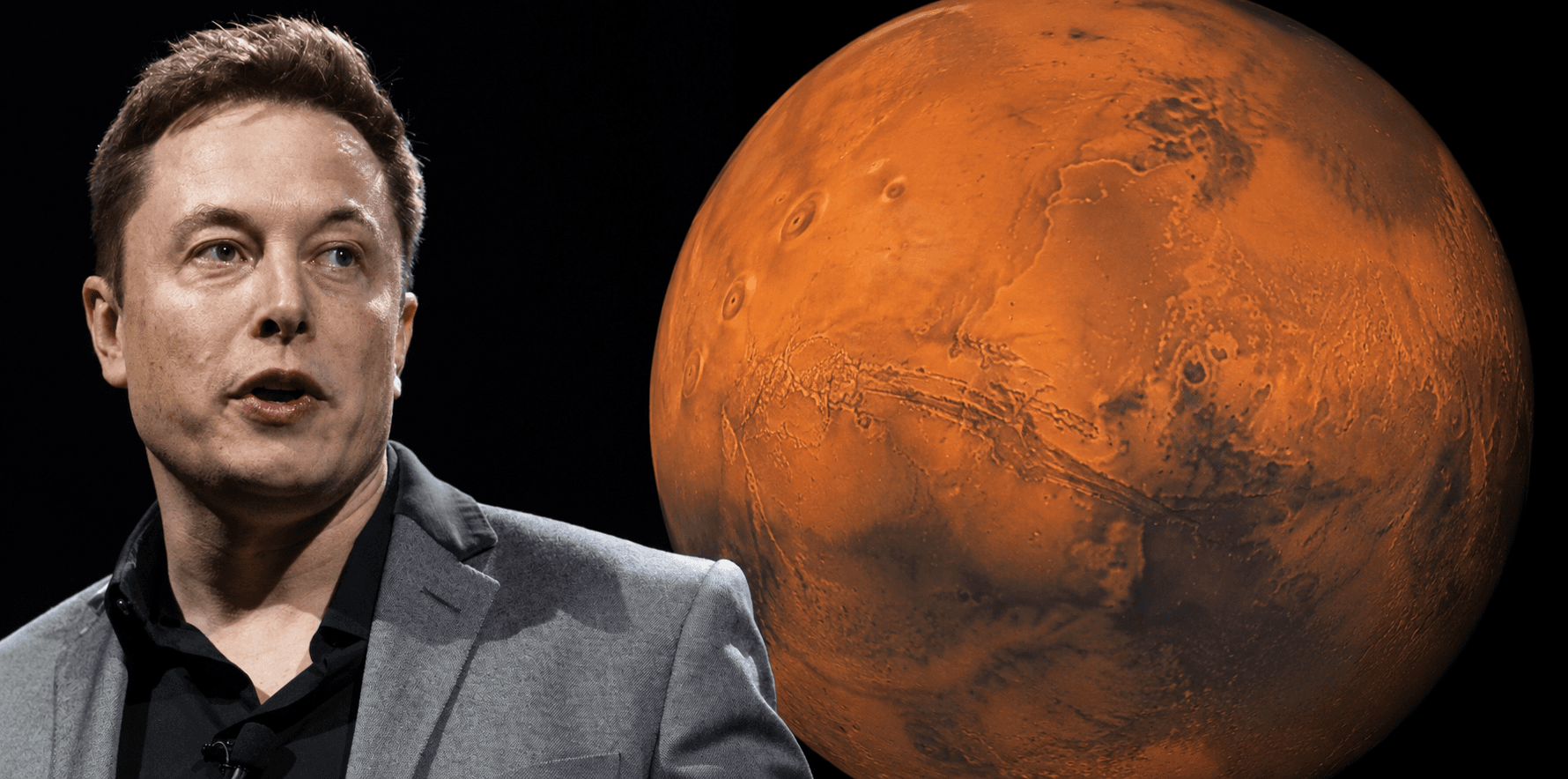
A striking detail has emerged from the ongoing OpenAI trial. Testimony revealed that Elon Musk sought as much as $80 billion to fund a Mars colonization project. This was not a side ambition. It was directly linked to his vision for control over OpenAI.
The Elon Musk Mars funding narrative has now moved from speculation to documented testimony. This shifts the conversation from futuristic ambition to strategic intent.
What the Testimony Actually Confirms
During the second week of trial proceedings in California, OpenAI President Greg Brockman provided a crucial statement. He said Musk wanted full control of OpenAI partly to raise $80 billion for building a city on Mars.
This statement is significant. It connects AI commercialization with space exploration funding. It also explains Musk’s earlier push to convert OpenAI into a for profit entity.
Importantly, the testimony reflects internal disagreements dating back to 2017. At that time, OpenAI struggled to raise enough capital under a nonprofit structure.
Control Versus Mission
The trial centers on a fundamental dispute. Musk argues that OpenAI abandoned its original nonprofit mission. Meanwhile, OpenAI maintains that restructuring was necessary to compete in a capital intensive AI race.
However, the $80 billion Mars plan introduces a new dimension. It suggests that Musk’s push for control was not only about AI safety or governance. It was also tied to funding large scale personal ambitions. This changes how stakeholders interpret the conflict. It becomes a question of strategic direction rather than just ideology.
The Scale of AI and Capital Requirements
The numbers in the trial highlight the scale of modern AI development. OpenAI itself expects to spend around $50 billion on computing infrastructure in 2026 alone.
This context matters. Raising $80 billion for Mars is not entirely detached from reality when compared to AI funding needs. Both require massive capital, long timelines, and high risk tolerance.
Therefore, Musk’s strategy reflects a broader trend. Tech leaders are increasingly linking multiple frontier industries under a single capital framework.
Industry Impact and Strategic Interpretation
This revelation has several implications for the tech ecosystem. First, it highlights how AI companies are becoming central funding engines for broader ambitions. Second, it raises governance concerns.
If control of an AI company can influence unrelated megaprojects, stakeholders will demand stronger oversight. Investors, regulators, and partners will likely push for clearer boundaries.
At the same time, this case reinforces the importance of corporate structure. The shift from nonprofit to for profit is no longer a technical detail. It is a strategic pivot with far reaching consequences.

What This Means for the Future of Tech Leadership
The Musk OpenAI episode signals a new phase in technology leadership. Visionary founders are no longer operating within single industries. Instead, they are building interconnected ecosystems.
However, this approach creates tension. Large ambitions require centralized control. Yet, modern stakeholders demand transparency and accountability. This balance will define the next decade of innovation.
A Defining Moment for AI and Ambition
The Elon Musk Mars funding revelation is more than a courtroom detail. It exposes the intersection of AI, capital, and personal vision at the highest level.
It also forces a broader question. Should powerful technologies like AI serve collective goals or individual ambitions? The answer will shape not only the future of OpenAI, but the direction of global technological progress.
FAQ's
Q1: Why did Elon Musk want $80 billion?
He aimed to fund a Mars colonization project, including building a city on Mars.
Q2: How is this linked to OpenAI?
Testimony revealed Musk sought control of OpenAI partly to raise this funding.
Q3: Who revealed this information?
OpenAI President Greg Brockman disclosed it during court testimony.
Q4: Is OpenAI currently a nonprofit?
No, it transitioned to a for profit structure to raise large scale funding.
Q5: What is the significance of this revelation?
It highlights how AI companies may influence broader technological ambitions beyond their core mission.
Topics
Covering startup news, AI, technology, and business at ThePrimely. Delivering accurate, in-depth reporting on the stories that shape the future.