
Lenskart Grooming Policy Controversy: What Went Wrong and How Did Peyush Bansal Respond?
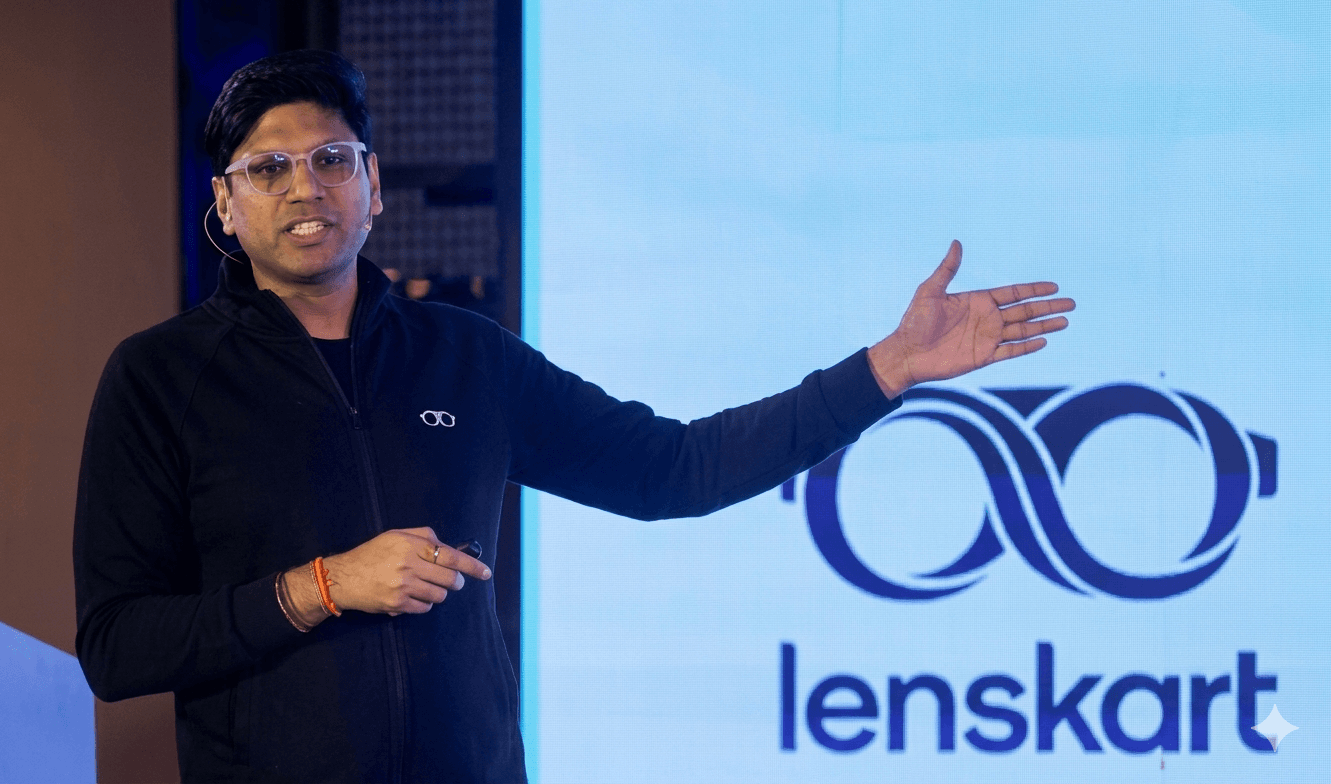
The Lenskart grooming policy controversy has triggered a wider debate on workplace norms in India. It raised concerns about religious expression and corporate communication. Soon after the backlash, CEO Peyush Bansal stepped in with a clarification. His response aimed to correct the narrative and restore trust.
This episode shows how internal policies can quickly become public flashpoints. It also highlights the importance of clarity in corporate communication.
Understanding the Controversy
The issue began when a grooming policy attributed to Lenskart started circulating online. The document appeared to restrict employees from wearing certain visible symbols. This included items such as bindis, tilaks, and hijabs.
As the content spread, criticism intensified. Many users questioned whether the company was limiting religious freedom. The debate quickly escalated across social media platforms. However, the company stated that the policy being shared was outdated. It did not reflect the current guidelines in practice.
Peyush Bansal’s Clarification
In response, Peyush Bansal acknowledged a language lapse in the policy document. He admitted that the wording could have been clearer. At the same time, he strongly denied any intent to restrict religious symbols.
He emphasized that Lenskart does not discriminate based on religion. According to his statement, employees are allowed to express their beliefs through personal symbols. The company’s focus remains on professionalism and customer experience.
Importantly, Bansal clarified that the controversial document was not part of the current operational framework. He described it as outdated and misinterpreted.
Why Grooming Policies Matter
Grooming policies are standard across retail and service industries. They help maintain a consistent brand image. Companies often define dress codes to ensure uniformity in customer-facing roles.
However, such policies must balance professionalism with personal freedom. In a diverse country like India, this balance becomes critical. Even minor ambiguity can lead to large-scale backlash. Therefore, clarity in language is not optional. It is essential.
Key Developments in the Case
Following the backlash, Lenskart moved quickly to address concerns. The leadership acknowledged the issue instead of dismissing it. This approach helped contain reputational damage. The company reiterated that inclusivity remains a core value. It also distanced itself from the circulated document. By doing so, it attempted to separate outdated communication from current policy.
Moreover, the CEO’s direct response added credibility. It signaled accountability at the highest level.
Industry Impact and Broader Implications
This controversy extends beyond a single company. It reflects a larger challenge in corporate India. Businesses must navigate cultural sensitivity while maintaining operational standards. The incident serves as a reminder. Internal documents can become public at any time. Therefore, companies must review policies regularly.
Additionally, the case highlights the power of social media. Public perception can shift rapidly. A single document can shape brand reputation overnight. For leaders, the lesson is clear. Communication must be precise, inclusive, and updated.
Strategic Takeaways for Businesses
First, companies must audit all internal policies. Outdated documents can create unnecessary risks. Regular updates are crucial. Second, language should be simple and unambiguous. Employees and the public should interpret policies in the same way.
Third, leadership must respond quickly during crises. Timely clarification can prevent escalation. Finally, inclusivity should be visible in both policy and practice. It is no longer just a value statement. It is a business necessity.
What This Means Going Forward
The Lenskart grooming policy controversy may fade, but its lessons will remain. Companies are now under greater scrutiny. Employees and consumers expect transparency. As a result, organizations will likely revisit their internal guidelines. They will focus more on clarity and cultural sensitivity.
For Lenskart, the immediate challenge is to rebuild confidence. The CEO’s response is a step in that direction. However, consistent action will determine long-term perception.
The controversy around Lenskart’s grooming policy highlights a critical issue in modern workplaces. Policies must evolve with societal expectations. More importantly, they must be communicated clearly. Peyush Bansal’s response addressed key concerns. He acknowledged the error while defending the company’s stance. This balanced approach helped stabilize the situation.
Yet, the broader message is more significant. In today’s environment, clarity is not just good practice. It is essential for survival.
FAQ's
1. What is the Lenskart grooming policy controversy?
It refers to backlash over a circulated policy that appeared to restrict religious symbols in the workplace.
2. Did Lenskart ban religious symbols?
No. The CEO clarified that the company does not restrict religious expression and supports inclusivity.
3. Why did the controversy escalate?
The policy document went viral on social media, leading to widespread criticism and debate.
4. What did Peyush Bansal say?
He admitted a language lapse, called the document outdated, and denied any discriminatory intent.
5. What is the key takeaway for companies?
Clear communication and updated policies are essential to avoid misunderstandings and protect brand reputation.
Topics
Covering startup news, AI, technology, and business at ThePrimely. Delivering accurate, in-depth reporting on the stories that shape the future.