
KBank Files Stablecoin Wallet Trademarks Ahead of IPO
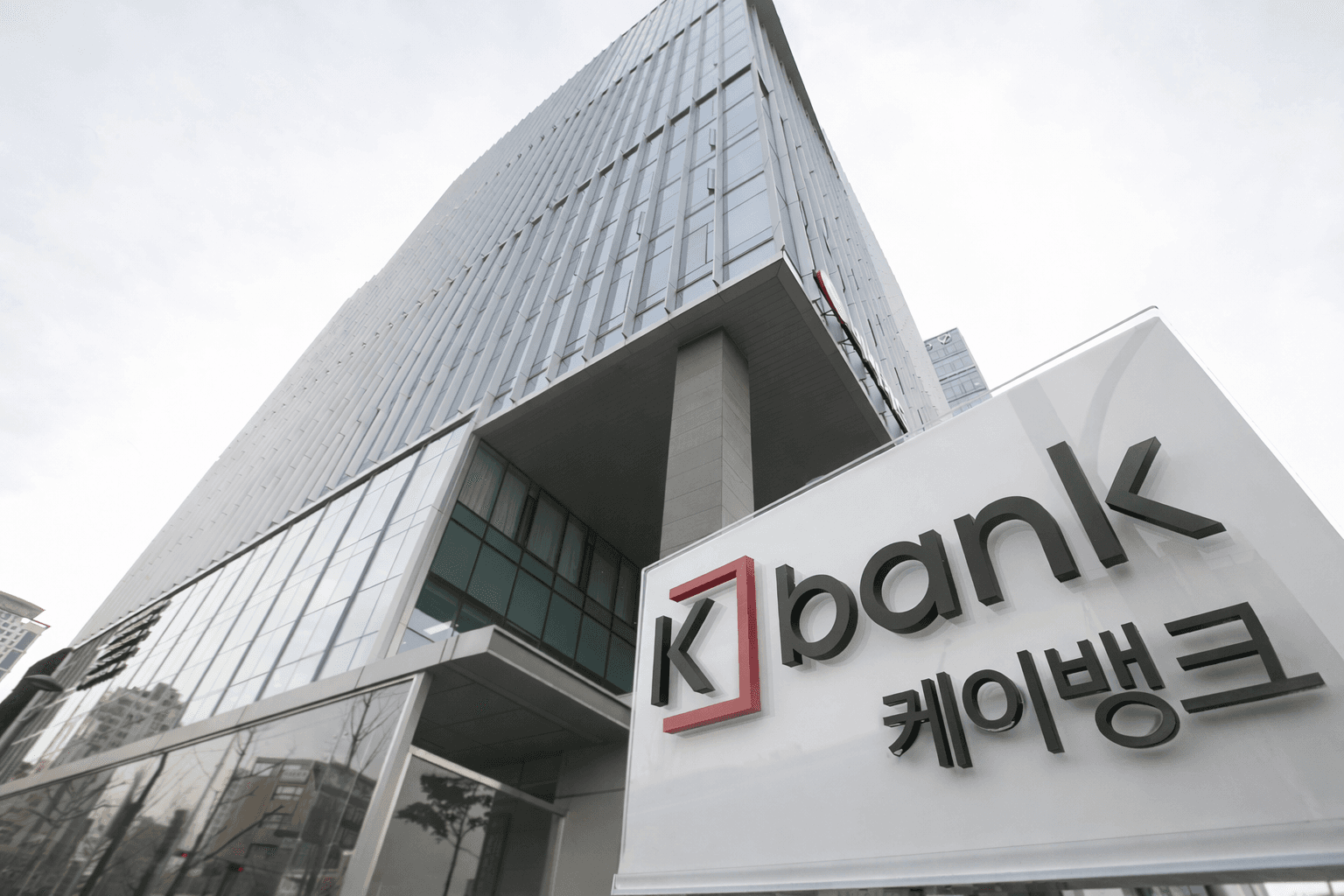
South Korea’s digital bank KBank is strengthening its crypto ambitions by filing multiple KBank stablecoin wallet trademarks, signaling a deeper push into digital asset services ahead of its planned stock market debut. The move positions the neobank at the center of the country’s fast-evolving crypto and stablecoin ecosystem.
According to official intellectual property filings, KBank submitted 13 trademark applications tied to stablecoin wallet services. The proposed names include KSC Wallet, KSTA Wallet, Kstable Wallet, and Kbank SC Wallet. These follow earlier trademark applications related to stablecoin ticker symbols, showing a clear and phased product development strategy.
What the Trademark Filings Reveal
The trademark classifications cover a wide range of financial and blockchain-related software. These include tools for cryptocurrency transactions, stablecoin payments, digital asset management, NFT services, and crypto-related financial platforms.
This scope suggests KBank is not developing a basic wallet alone. Instead, it appears to be building a broad digital finance platform designed for remittances, payments, settlements, and cross-border financial services. Such capabxilities align with rising demand for regulated crypto banking products in Asia.
The filings also come at a time when South Korea is working toward a more structured legal framework for stablecoins and crypto exchange-traded funds. Financial institutions are moving early to secure brand positions before regulations fully crystallize.
IPO Plans and Digital Asset Expansion
The timing of the filings is strategic. KBank is preparing for another attempt at a public listing in South Korea after previously shelving IPO plans. In its registration documents, the bank stated that fresh capital will help accelerate expansion into digital asset services.
A successful IPO would give KBank greater financial flexibility to scale infrastructure, compliance systems, and technology partnerships. For investors, the digital asset push may represent a future growth engine beyond traditional neobanking services.
KBank’s position is unique in the Korean financial ecosystem. It serves as the sole banking partner of Upbit, the country’s largest cryptocurrency exchange. Since that partnership began, the bank’s customer base has expanded rapidly, reflecting how crypto adoption has driven digital banking growth.
Cross-Border Stablecoin Strategy
KBank’s crypto ambitions extend beyond domestic services. The bank has entered partnerships to explore stablecoin-based financial systems linking South Korea with Thailand. These systems are expected to target tourism payments and cross-border remittances, areas where stablecoins can reduce friction and transfer costs.
Such initiatives show how stablecoins are shifting from speculative assets toward payment infrastructure tools. Banks entering this space early may gain a competitive edge as digital currency use in everyday transactions expands.
Why This Matters for South Korea’s Crypto Market
South Korea has one of the world’s most active retail crypto markets. As regulatory clarity improves, banks and financial institutions are increasingly integrating blockchain-based services into their core strategies.
By filing KBank stablecoin wallet trademarks ahead of its IPO, the bank signals confidence that regulated digital assets will become a mainstream financial service category. This proactive positioning could help it capture early market share in stablecoin-linked banking.
For the broader industry, the move highlights how traditional financial players are converging with crypto infrastructure. Stablecoin wallets are no longer just tech startup products; they are becoming part of mainstream banking strategy.
What Comes Next
The next milestones will likely include product announcements, regulatory alignment, and further partnership expansion. If KBank proceeds with its IPO as planned, investor attention will focus on how effectively the bank converts its trademark groundwork into revenue-generating services.
The filings mark more than a branding step. They signal that KBank aims to become a major player in Asia’s regulated digital asset economy, using stablecoin wallets as a foundation for future financial innovation.
Topics
Covering startup news, AI, technology, and business at ThePrimely. Delivering accurate, in-depth reporting on the stories that shape the future.