
Israel Budget 2026 Boosts Defense Spending
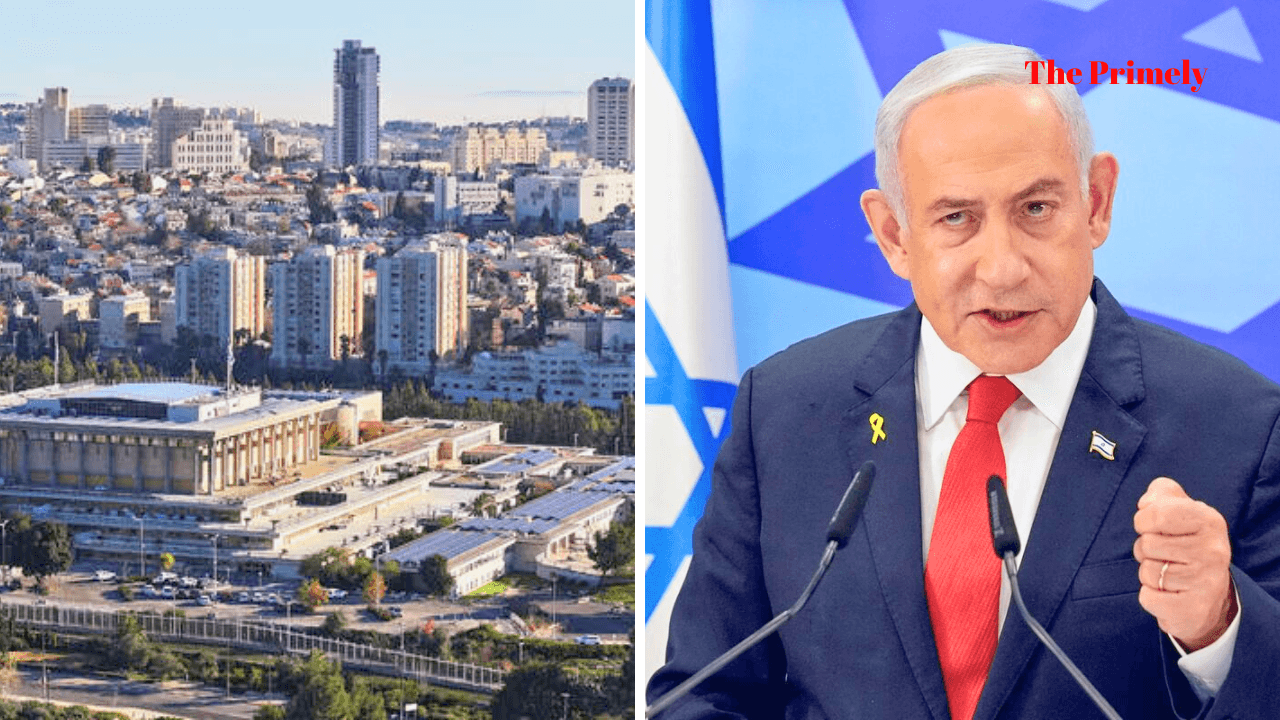
The Israel defense budget 2026 is set to see a significant increase as the country navigates multiple ongoing conflicts. Lawmakers are preparing to vote on a budget that prioritizes military expenditure, reflecting heightened security concerns.
The proposal highlights how prolonged conflict is reshaping national economic priorities.
Sharp Rise in Defense Spending
The 2026 budget includes a defense allocation exceeding $45 billion, marking an increase of more than $10 billion compared to earlier levels.
This represents more than double the allocation seen before the Gaza war began, underscoring the scale of military expansion.
The overall national budget is estimated at around $245 billion, with defense emerging as the dominant priority.
War on Multiple Fronts
The increase in spending is driven by ongoing military operations across different regions. Israel is currently engaged in conflict with Iran alongside its US ally, while also facing hostilities in southern Lebanon involving Hezbollah.
These multi-front challenges have significantly increased defense requirements, influencing budget decisions.
Political Stakes of the Budget Vote
The budget vote carries major political consequences. Under Israeli law, failure to pass the budget by the end of March would automatically trigger the collapse of the government and lead to new elections.
This adds urgency to the decision, making it both an economic and political turning point.
Debate and Criticism
The Israel defense budget 2026 has sparked sharp political divisions.
Supporters describe it as a necessary step to secure national interests and strengthen military capabilities. Government leaders have framed the budget as a “historic turning point” for both security and the economy.
Opposition leaders, however, have criticized the allocation, arguing that funds are being diverted unfairly and that civilian sectors are bearing the cost.
Impact on Civil Spending
To accommodate the surge in defense spending, the budget includes cuts of around 3% across other government ministries.
At the same time, certain sectors — including funding for specific communities and settlement development — are being maintained or increased, adding to the controversy.
These decisions highlight the trade-offs between security needs and domestic priorities.
Broader Economic Implications
The budget reflects a broader shift in economic strategy during wartime. Increased military spending can support security objectives but may place pressure on public finances and social programs.
Such trade-offs are common in conflict situations, where governments must balance immediate security concerns with long-term economic stability.
Topics
Covering startup news, AI, technology, and business at ThePrimely. Delivering accurate, in-depth reporting on the stories that shape the future.