
India Fertiliser Supply Crisis War Impact on Food Prices
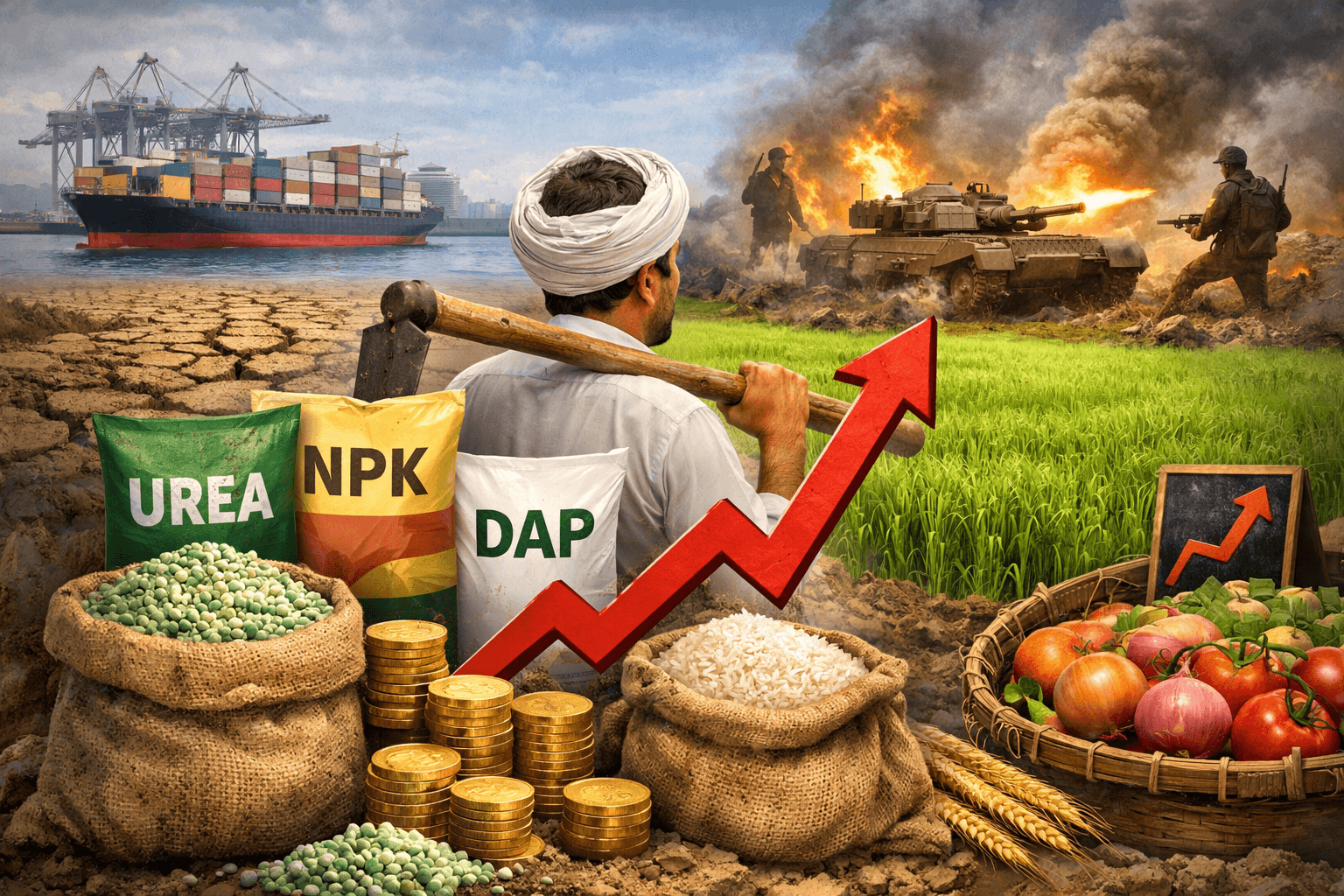
India’s agriculture sector faces uncertainty as the India fertiliser supply crisis intensifies following shipping disruptions linked to the Middle East conflict. The country relies heavily on imports of fertiliser raw materials routed through the Strait of Hormuz, a critical global trade channel.
India is the world’s second-largest fertiliser consumer after China. Therefore, supply interruptions could influence crop production, food inflation, and subsidy costs.
Prime Minister Narendra Modi said authorities are taking steps to maintain supply stability and reduce risk for farmers.
Why the India Fertiliser Supply Crisis Matters
The India fertiliser supply crisis is significant because nitrogen-based fertilisers such as Urea play a central role in crop productivity. Major crops including rice and wheat depend heavily on nitrogen nutrients.
India consumes nearly 40 million tonnes of urea annually, supported by government subsidies that help farmers manage rising input costs.
Government data shows India held about 6.2 million tonnes of urea stocks as of mid-March. Analysts say current reserves appear sufficient for the upcoming sowing season. However, extended supply disruptions could create shortages later in the year.
Impact of Middle East Shipping Disruptions
A large share of fertiliser imports and natural gas supplies comes from Gulf countries. Shipping delays through the Strait of Hormuz have increased supply chain risks.
Natural gas is a key raw material used to produce urea. India imports roughly 85% of its gas needs, making the fertiliser sector vulnerable to global energy market volatility.
Industry experts note fertiliser plants currently receive about 70% of required gas supply, resulting in reduced production capacity in some facilities.
Global fertiliser prices have already increased due to supply concerns, adding pressure on agricultural costs.
Farmers Not Yet Feeling Immediate Pressure
Farmers in major grain-producing states such as Punjab and Haryana report adequate fertiliser availability so far. Purchasing activity usually begins in May ahead of the monsoon sowing season between June and July.
Agriculture experts believe short-term supply disruptions may not significantly impact crop yields. However, prolonged shortages could influence fertiliser usage decisions and productivity in future seasons.
Siraj Hussain, former agriculture secretary, said fertiliser supply planning remains crucial for long-term stability.
Risk of Higher Food Prices and Subsidy Burden
The India fertiliser supply crisis could increase government spending on subsidies if global prices remain elevated. Higher fertiliser costs often translate into higher food production costs, which may influence retail inflation.
Experts suggest market expectations can sometimes drive price increases even before actual supply shortages occur.
To reduce dependence on limited suppliers, policymakers are working to diversify import sources and increase domestic production capacity.
Agriculture Minister Shivraj Singh Chouhan has instructed officials to ensure uninterrupted fertiliser availability across states.
Outlook for India’s Agriculture Sector
The impact of the India fertiliser supply crisis largely depends on how long shipping disruptions continue. Analysts believe supply chains could stabilise within weeks if trade routes reopen normally.
Key possible developments include:
- Increased fertiliser imports from alternative regions
- Expansion of domestic fertiliser production
- Higher subsidy expenditure by the government
- Potential rise in global fertiliser prices
- Moderate risk to future crop yields
India’s agriculture system remains resilient, but global supply shocks highlight the importance of diversified sourcing strategies.
Conclusion
The India fertiliser supply crisis underscores the connection between geopolitics and food security. While current stocks appear adequate, prolonged conflict could affect fertiliser availability and prices.
Government policy decisions and global trade developments will play a crucial role in determining how significantly agriculture output and food inflation are impacted in the coming months.
Topics
Covering startup news, AI, technology, and business at ThePrimely. Delivering accurate, in-depth reporting on the stories that shape the future.