
Iran War and Strait of Hormuz: What It Means for the World
The Iran war Strait of Hormuz crisis has emerged as one of the most serious global developments in 2026, with direct consequences for energy markets, international trade, and geopolitical stability. What initially appeared as a regional military conflict has now expanded into a broader crisis that affects economies and governments worldwide, especially due to disruptions in a critical global oil route.
Understanding the Current Situation
The conflict began on February 28, 2026, when the United States and Israel carried out coordinated strikes on Iran targeting military and strategic infrastructure. Iran responded quickly with missile and drone attacks aimed at Israel, U.S. military bases, and several Gulf countries, leading to a rapid escalation across the region. Over time, the conflict has expanded beyond direct military engagement, with additional threats emerging from Iran-aligned groups, including missile launches from Yemen, which indicate a widening conflict zone.
Why the Strait of Hormuz Matters in This War
A Critical Route for Global Energy
The Strait of Hormuz has become the central point of the crisis because it is one of the most important energy corridors in the world. Nearly one-fifth of global oil supply moves through this narrow waterway, making any disruption immediately significant for global markets. As tensions increased, Iran moved to restrict access to the strait and, in some cases, declared it closed to ships linked to the United States and its allies.
This restriction has created uncertainty for global shipping companies, as safety risks, potential attacks, and rising insurance costs have forced many vessels to delay or avoid passing through the region. Even where limited passage is allowed, Iran has indicated that only “non-hostile” ships may transit, adding further complexity to maritime operations.
How the Conflict Is Expanding Across the Region
The Iran war is no longer limited to a direct confrontation between states, as it now involves multiple countries and indirect actors. Iran has carried out strikes on targets across the Gulf region, including military installations, while Israel continues operations inside Iran and neighboring areas. At the same time, proxy groups aligned with Iran have increased their involvement, adding new layers to the conflict and raising the risk of wider regional instability.
This expansion has created a multi-front conflict where different actors operate simultaneously, making the situation more unpredictable and difficult to control.
Impact on Global Oil Markets and Economy
The disruption in the Strait of Hormuz has had an immediate and measurable effect on global energy markets. Oil prices have crossed 100 dollars per barrel and moved above 112 dollars during peak tensions, reflecting strong concerns over supply shortages and transport risks.
The economic impact extends beyond oil prices, as higher energy costs influence inflation, transportation expenses, and industrial production across countries. Global financial markets have also reacted to the uncertainty, with volatility increasing as investors respond to geopolitical risks and supply disruptions.
Human and Infrastructure Impact
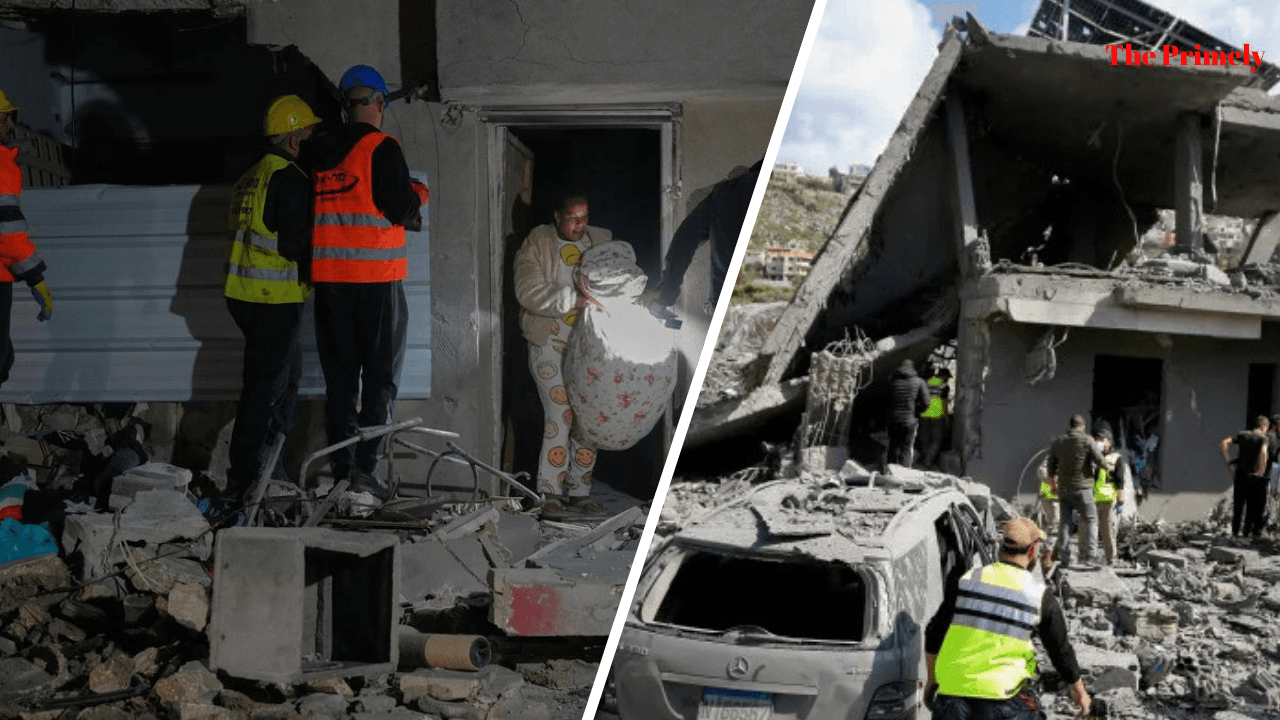
The conflict has also caused significant human and infrastructure damage across the region. Missile and drone strikes have affected cities, energy facilities, and transport systems, while civilian casualties and displacement continue to rise. The scale of destruction highlights that the crisis is not limited to military objectives, but also has serious humanitarian consequences.
Strategic Implications for Global Powers
The crisis is reshaping global strategic calculations as major powers adjust their responses. The United States has increased its military presence in the region while signaling that operations could conclude within weeks, suggesting a limited but intense campaign. At the same time, differences within global alliances have become more visible, reflecting the complexity of forming a coordinated response.
Iran, on the other hand, has adopted an asymmetric strategy by using its geographic control over the Strait of Hormuz and leveraging proxy networks to maintain pressure. This approach allows Iran to influence global markets without engaging in direct large-scale confrontation, increasing its strategic leverage.
Topics
Covering startup news, AI, technology, and business at ThePrimely. Delivering accurate, in-depth reporting on the stories that shape the future.