
Iran Tanker Attacks Push Oil Prices Above $100 and Threaten Global Energy Supply
The global energy market is facing its most severe shock in years.
Iranian attacks on commercial vessels in the Persian Gulf and the Strait of Hormuz have triggered a sharp spike in oil prices. Markets reacted immediately. Crude surged past the psychological $100 per barrel level, raising fears of a wider energy crisis.
The escalation marks a dangerous shift in the ongoing Iran war. Shipping lanes that transport a large share of the world’s oil are now under direct threat.
The Incident That Shook Global Energy Markets
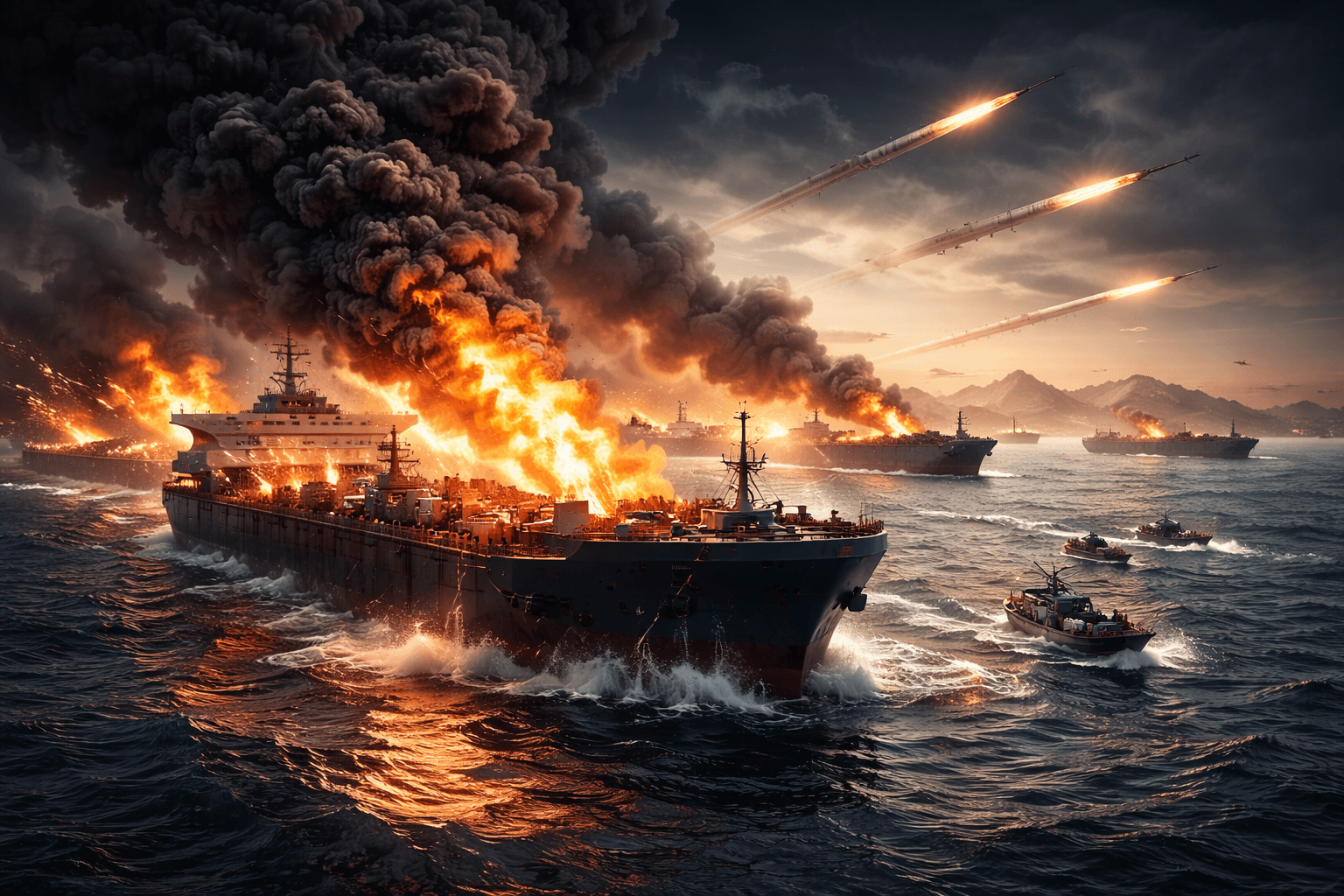
Iran tanker attacks intensified this week after multiple vessels were struck in the Persian Gulf and near the Strait of Hormuz.
At least six ships were attacked, according to reports, with explosive boats and projectiles used against commercial vessels. Some ships caught fire while others suffered heavy structural damage. One crew member was killed and several others went missing during the incidents.
Among the vessels affected were cargo ships and oil tankers traveling through critical Gulf trade routes.
The attacks forced shipping companies to halt operations or reroute vessels. As a result, energy markets reacted instantly.
Oil prices surged more than 5 percent in a single trading session, reflecting fears of supply disruption.
Why the Strait of Hormuz Matters
A Critical Global Oil Chokepoint
The Strait of Hormuz is one of the most important maritime passages in the world.
Nearly 20 percent of global oil supplies pass through this narrow corridor connecting the Persian Gulf with international waters.
Every day, millions of barrels of crude move through this route toward:
- Asia
- Europe
- North America
When attacks disrupt this corridor, the global energy system feels the impact almost immediately.
Shipping Traffic Has Collapsed
Since the war escalated, tanker traffic through the strait has dropped sharply.
Ship tracking data shows transit numbers falling from around 24 vessels per day to just a few ships, with many operators refusing to enter the area.
Hundreds of vessels are now waiting outside the Gulf, unwilling to risk the passage.
Oil Prices Surge Past $100
Energy markets reacted quickly to the Iran tanker attacks.
Brent crude briefly rose above $100 per barrel, marking the highest level in more than a year.
Some trading sessions saw even sharper volatility. Analysts warn that prolonged disruption could push prices significantly higher.
Several forecasts now suggest oil could reach $110 or more if shipping routes remain unstable.
Iran itself has warned that prices might surge toward $200 per barrel if the conflict expands further.
The Largest Energy Disruption in Decades
The International Energy Agency has described the situation as one of the largest oil supply disruptions in history.
The conflict has already reduced global supply significantly as Gulf producers cut output and shipping routes stall.
Current estimates show:
- Production cuts of about 10 million barrels per day
- Global output falling by over 7 percent
- Energy transport routes facing severe disruption
These numbers highlight the scale of the crisis.
Strategic Military and Political Response
The escalating attacks have triggered international responses.
The United States has warned Iran against threatening navigation through the strait. American forces have also targeted Iranian naval assets involved in mining operations.
Meanwhile, policymakers are attempting to stabilize energy markets.
The United States has announced the release of 172 million barrels from strategic oil reserves to calm price spikes and protect consumers.
Some governments are also considering naval escorts for commercial tankers.
However, security risks remain high.
Impact on Global Economy
The economic consequences could extend far beyond the Middle East.
Energy analysts warn that sustained disruption could trigger:
- Higher global inflation
- Increased transportation costs
- Rising electricity and fuel prices
- Slower economic growth
Because energy markets influence nearly every sector, prolonged instability could ripple through the global economy.
Experts have already warned that escalating conflict could increase the risk of a worldwide recession.
Strategic Implications for the Energy Industry
The Iran tanker attacks highlight a major vulnerability in global energy systems.
For decades, the Strait of Hormuz has been considered a geopolitical risk. Today, that risk is becoming reality.
Energy companies and governments may now accelerate efforts to diversify supply routes. Potential strategies include:
- Expanding pipelines that bypass the Gulf
- Increasing strategic petroleum reserves
- Investing in alternative energy sources
- Diversifying global shipping networks
These shifts could reshape global energy strategy for years.
Future Outlook
The situation remains volatile.
More tanker attacks could push oil prices significantly higher and disrupt energy trade across Asia and Europe.
However, diplomatic efforts and military stabilization operations may eventually reopen shipping routes.
For now, markets are preparing for continued uncertainty.
Iran tanker attacks have transformed the Strait of Hormuz into the center of a global energy crisis.
The attacks on commercial ships have disrupted shipping routes, shaken markets and pushed oil prices above $100.
The coming weeks will determine whether the crisis stabilizes or evolves into a prolonged energy conflict.
Topics
Covering startup news, AI, technology, and business at ThePrimely. Delivering accurate, in-depth reporting on the stories that shape the future.