
Iran Emerges as Strait of Hormuz Gatekeeper Despite US Pressure
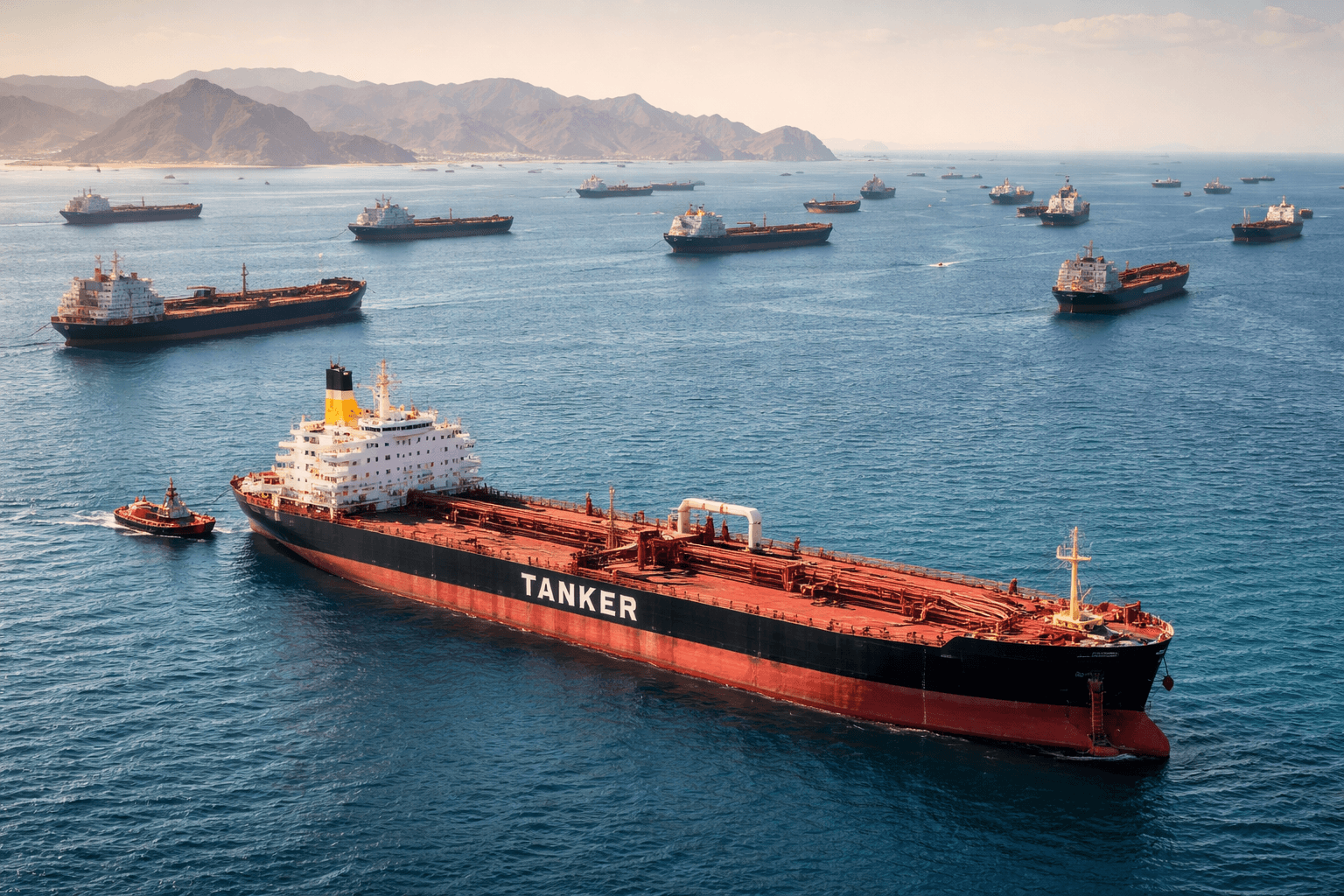
As tensions rise in the Gulf, a new reality is taking shape in one of the world’s most critical energy corridors.
Despite strong warnings from US President Donald Trump, Iran has tightened its grip over the Strait of Hormuz, effectively deciding which ships can pass through the vital waterway.
A Strategic Chokepoint Under Pressure
The Strait of Hormuz carries nearly 20% of global oil and gas supplies, making it one of the most important shipping routes in the world.
Iran controls its northern coastline. At its narrowest point, the strait is just 33 kilometres wide, leaving vessels highly exposed to potential attacks.
Since the conflict began, even limited strikes and threats have disrupted shipping.
Insurance costs have surged. Many vessels now avoid the route altogether.
As a result, maritime traffic has dropped sharply, creating a near standstill in global energy flows.
Countries Turn to Iran, Not the US
The United States has urged allies to form a naval coalition to secure the passage.
Trump warned that NATO partners could face consequences if they failed to act.
However, many countries have refused to join.
- Japan said it would not deploy naval forces
- Australia ruled out sending ships
- Germany stated clearly: “This is not our war”
- The United Kingdom said it would avoid being drawn into a wider conflict
Instead, several countries have taken a different approach.
They are negotiating directly with Iran to secure safe passage for their ships.
India, for example, successfully guided tankers through the strait after diplomatic talks with Tehran.
Ships linked to China, Pakistan and Turkey have also crossed, suggesting a shift toward what analysts describe as “permission-based transit.”
Iran’s Leverage: Geography and Strategy
Experts say Iran’s power comes not just from military strength but from geography.
“Iran has effectively proven that it dictates the terms of passage,” said Andreas Krieg of King’s College London.
Rather than fully blocking the strait, Iran appears to allow selective access.
This gives Tehran a powerful tool.
It can influence markets, reward allies and pressure rivals at the same time.
Iranian officials have openly acknowledged this leverage.
“This is up to our military to decide,” Foreign Minister Abbas Araghchi said, referring to access to the strait.
Markets React to Uncertainty
The impact has been immediate.
Oil prices have risen above $100 per barrel, more than 20% higher than before the conflict.
Gas prices have surged by over 40%.
Global markets have responded with volatility, reflecting fears of prolonged disruption.
Countries have released record levels of emergency oil reserves to stabilise supply.
However, analysts warn that these measures offer only short-term relief.
Why Military Solutions May Not Work
The US has considered military options, including escorting ships through the strait.
Historically, similar strategies were used during the Iran-Iraq war.
But today’s situation is more complex.
Iran now has advanced capabilities, including drones, fast attack boats and missile systems.
These tools allow it to disrupt shipping without fully closing the strait.
Experts say a full blockade may not even be Iran’s goal.
Instead, controlled disruption gives Tehran greater influence.
“It’s not just a military issue,” analysts say. “It’s about market confidence.”
Risks of Escalation Remain High
Recent attacks highlight the fragile situation.
A drone strike near the UAE’s Fujairah port caused fires at a key oil export terminal.
There are also concerns that Iran’s allies, such as the Houthis in Yemen, could target other shipping routes.
This could expand the crisis beyond the Gulf and further strain global supply chains.
A Shift in Global Power Dynamics
The developments mark a significant shift in global energy politics.
Despite US pressure, countries are adapting by engaging directly with Iran.
This reflects a broader change.
Control over strategic geography is proving as important as military power.
Diplomacy Over Force?
Some experts argue that restoring stability will require diplomacy rather than force.
Military action alone may not rebuild confidence in shipping routes or markets.
For now, Iran’s position appears secure.
It has turned geography into leverage and uncertainty into influence.
As the conflict continues, the Strait of Hormuz remains at the centre of a global struggle — one where control may depend less on firepower and more on negotiation.
Topics
Covering startup news, AI, technology, and business at ThePrimely. Delivering accurate, in-depth reporting on the stories that shape the future.