
Why Is China’s J-35 Deal With Pakistan Raising New Questions for India’s Air Power Strategy?
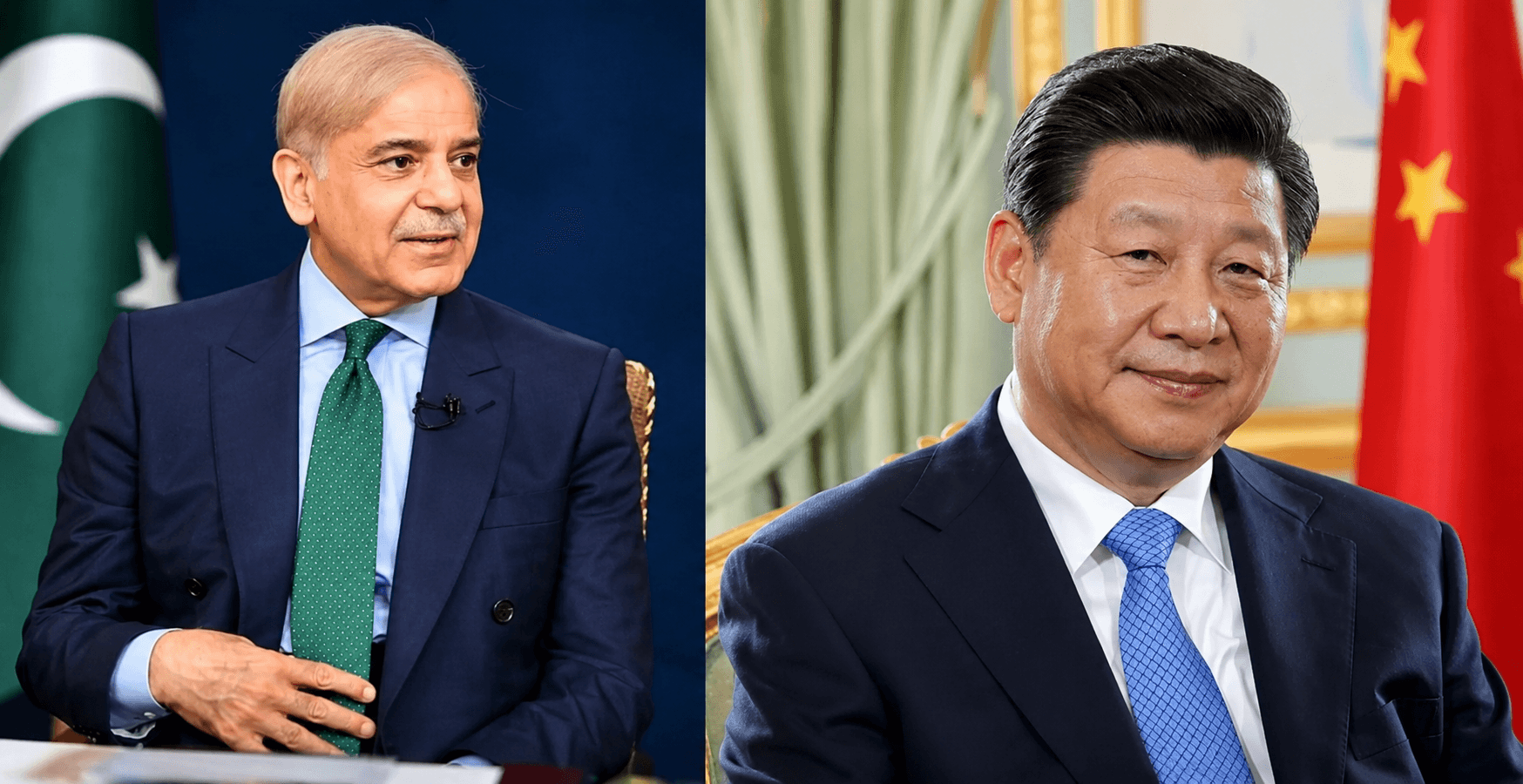
South Asia’s military balance is entering a new phase. China’s growing support for Pakistan’s air force has raised serious strategic questions for India. Reports surrounding the China J-35 Pakistan stealth fighter deal, combined with claims of Chinese technical involvement during recent India Pakistan tensions, have intensified the debate over future air superiority in the region.
The development is not just about one aircraft. Instead, it reflects a broader shift in regional defense partnerships, technology transfer, and military preparedness. India now faces a more complex security environment than before.
How the J-35 Fighter Deal Changed the Regional Conversation
China’s reported move to support Pakistan with the J-35 fifth generation fighter aircraft marks a significant upgrade for the Pakistan Air Force. The J-35 is designed as a stealth multirole combat aircraft with advanced radar evasion capabilities, modern avionics, and long range combat potential.
Although the exact delivery timeline remains unclear, defense analysts believe the platform could substantially strengthen Pakistan’s aerial combat capability over the next decade.
More importantly, the deal demonstrates Beijing’s willingness to deepen military cooperation with Islamabad beyond conventional arms sales. This changes the strategic calculation for India.
Until now, India maintained a technological advantage in several aerial warfare areas despite Pakistan’s Chinese supplied fleet. However, a stealth fighter program supported by China could gradually narrow that gap.
China’s Expanding Role Inside Pakistan’s Defense Infrastructure
Recent reports added another layer to the story. Chinese officials reportedly acknowledged that Chinese engineers were present inside Pakistani air bases during periods of military tension involving India. That disclosure triggered fresh scrutiny across defense circles. The presence of foreign technical experts during operational periods suggests that military cooperation between China and Pakistan may now extend beyond equipment supply into active systems integration and technical coordination.
While neither side presented evidence of direct combat involvement, the reports reinforce the perception that China is becoming deeply embedded in Pakistan’s defense ecosystem. This matters strategically because modern warfare increasingly depends on integrated networks, data sharing, radar systems, and electronic warfare coordination rather than only fighter numbers.
Why India’s Air Power Debate Is Intensifying
India already operates one of the region’s most capable air forces. However, the emergence of stealth fighter competition creates new pressure on long term modernization plans. The Indian Air Force currently faces multiple challenges. These include squadron shortages, delays in indigenous fighter development, and the need to modernize aging aircraft fleets.
Consequently, the China J-35 Pakistan Deal has accelerated discussions around India’s next generation combat programs. The issue is not immediate military imbalance. Instead, it is about the future trajectory of air dominance in South Asia. India’s defense planners now have to consider three parallel realities.
First, China continues expanding its military technology leadership. Second, Pakistan is gaining access to increasingly sophisticated platforms. Third, aerial warfare is rapidly shifting toward stealth, artificial intelligence integration, and network centric operations.
Therefore, India may need faster execution of advanced fighter programs, stronger drone integration, and expanded domestic defense manufacturing capacity.
The Strategic Message Behind Beijing’s Move
China’s support for Pakistan also carries geopolitical significance. Beijing appears focused on strengthening regional strategic partnerships while simultaneously increasing pressure points around India’s security environment. Defense cooperation has become one of the strongest pillars of the China Pakistan relationship.
The J-35 discussion signals confidence in China’s defense industry ambitions as well. For years, Western stealth fighter programs dominated global military aviation conversations. Now, China is increasingly positioning itself as an exporter of advanced military technology to allied nations. That shift could reshape future arms markets across Asia, the Middle East, and Africa.
Can India Maintain Its Long Term Air Advantage?
India still retains several important strengths. Its combat experience, diversified defense partnerships, missile systems, and expanding domestic aerospace sector provide a strong foundation.
However, future readiness will depend on execution speed. Modern conflicts increasingly reward nations that combine advanced aircraft, electronic warfare systems, cyber capability, space based intelligence, and real time battlefield integration.
Therefore, India’s response may require more than aircraft acquisition alone. It may demand a complete modernization ecosystem.
What This Means for South Asia’s Security Landscape
The broader concern is regional stability. As stealth technology spreads across rival nations, military competition may intensify further. Moreover, deeper external involvement in regional defense structures could complicate crisis management during future confrontations. At the same time, the China Pakistan defense partnership appears stronger than ever.
That reality ensures India’s security planners will continue prioritizing rapid modernization, indigenous defense innovation, and strategic deterrence capabilities in the years ahead. The China J-35 Pakistan Deal is more than a fighter aircraft story. It represents a larger strategic transition unfolding across South Asia.
China is expanding its defense influence. Pakistan is upgrading its military capabilities. India, meanwhile, faces growing pressure to accelerate modernization and protect its long term aerial advantage. The coming years will likely define the next phase of regional military balance. What happens next may shape South Asia’s security architecture for decades.
FAQ's
What is the J-35 fighter aircraft?
The J-35 is a Chinese fifth generation stealth fighter aircraft designed for advanced multirole combat operations and radar evasion.
Why is the J-35 deal important for Pakistan?
The aircraft could significantly improve Pakistan’s future air combat capability and strengthen its strategic defense partnership with China.
How does this affect India’s air power strategy?
India may need faster modernization, expanded stealth capability development, and stronger indigenous defense production to maintain regional balance.
Did China directly participate in India Pakistan conflict operations?
Reports indicated Chinese engineers were present at Pakistani air bases. However, no confirmed evidence publicly proves direct combat involvement.
Why are stealth fighters strategically important?
Stealth aircraft reduce radar detection, improve survivability, and provide advantages in modern electronic and network centric warfare.
Topics
Covering startup news, AI, technology, and business at ThePrimely. Delivering accurate, in-depth reporting on the stories that shape the future.