
Space Spying Satellites Track Objects to Avoid Collisions in Orbit
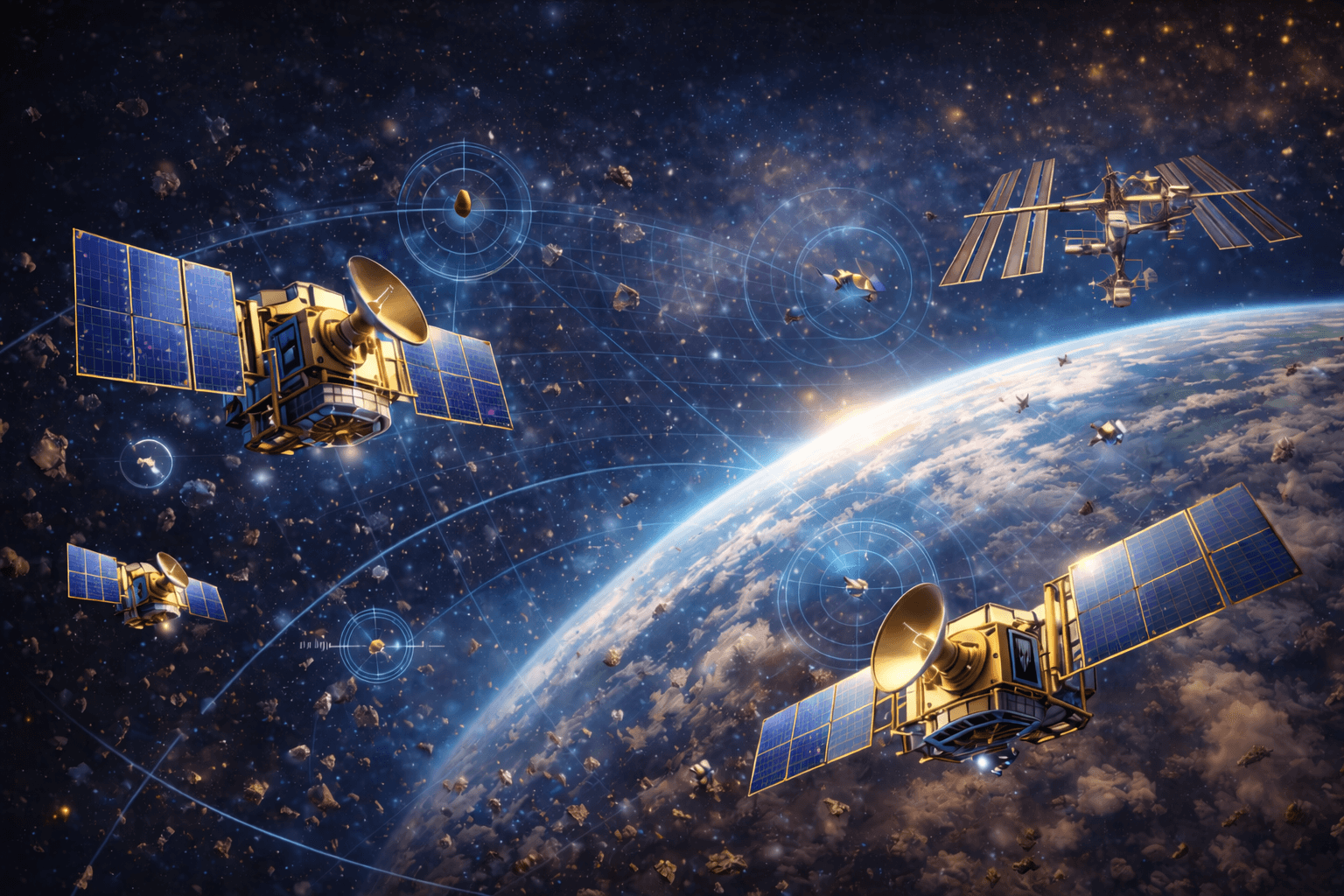
Space Spying Satellites Aim to Track Objects and Prevent Collisions in Orbit
Space agencies and commercial firms are increasingly concerned about the crowded environment in Earth orbit. In response, companies like Azista Space are deploying satellites designed to monitor other objects in space. The goal is to improve space situational awareness and reduce the risk of collisions involving spacecraft such as the International Space Station (ISS), satellites and even space debris.
Why Space Traffic Monitoring Matters
Earth orbit is increasingly crowded. Thousands of satellites, defunct spacecraft and fragments of debris from past missions travel at high speeds. Even small objects can cause major damage due to the high velocities involved. For example, a piece of debris only a few centimeters wide can damage or disable a larger spacecraft if it collides at orbital speed.
Space situational awareness refers to the capability to track and predict the motions of objects in orbit. It allows operators to forecast close approaches, avoid collisions, and plan safe maneuvers. According to experts, improved tracking is essential as more nations and private companies launch satellites.
How Spying Satellites Work
Tracking satellites use sensors, cameras and radar data to observe the positions of other objects in orbit. These systems can track both active satellites and debris fragments. Data from these satellites is fed into global databases that help:
- Predict close approaches between objects
- Alert operators about potential collision risks
- Plan avoidance manoeuvres when necessary
Space situational awareness is a key capability for agencies, operators and companies that manage large constellations of satellites.
The Role of Azista Space
Azista Space is among the companies building satellites that specialize in tracking other spacecraft and debris in low Earth orbit. These satellites act as “space traffic radar,” continuously scanning and cataloguing objects so that operators can better understand orbital dynamics and risks.
Their services may help reduce the chances of last-minute collision avoidance burns or emergency relocations that can disrupt mission timelines.
Protecting Valuable Space Assets
One of the high-profile beneficiaries of improved space traffic data is the International Space Station. The ISS regularly performs debris avoidance maneuvers based on tracking data from NASA, other agencies and commercial partners.
Beyond the ISS, commercial satellite fleets also depend on tracking data to protect networks that support telecommunications, Earth observation, navigation and scientific research.
Growing Importance With More Launches
As launch activity increases globally, the need for better tracking grows too. Mega-constellations of internet satellites add thousands of new objects to orbit. Without effective monitoring, the risk of debris creation and collision rises.
Companies like Azista Space and government agencies are responding with more advanced tracking satellites and improved prediction models. These tools help maintain both safety and sustainability in space operations.
What Comes Next
Global coordination and data sharing remain key challenges in space situational awareness. As tracking systems improve, operators aim to share information widely across nations and companies. Efforts continue toward standardized tracking databases and real-time prediction tools.
With the rise of commercial space activity, technologies that track and predict interactions in orbit are becoming as essential as traffic control systems on Earth.
Topics
Covering startup news, AI, technology, and business at ThePrimely. Delivering accurate, in-depth reporting on the stories that shape the future.