
Why Is Nitish Kumar Stepping Down Now? A Deep Look at Bihar’s Political Shift
A Defining Moment in Bihar Politics
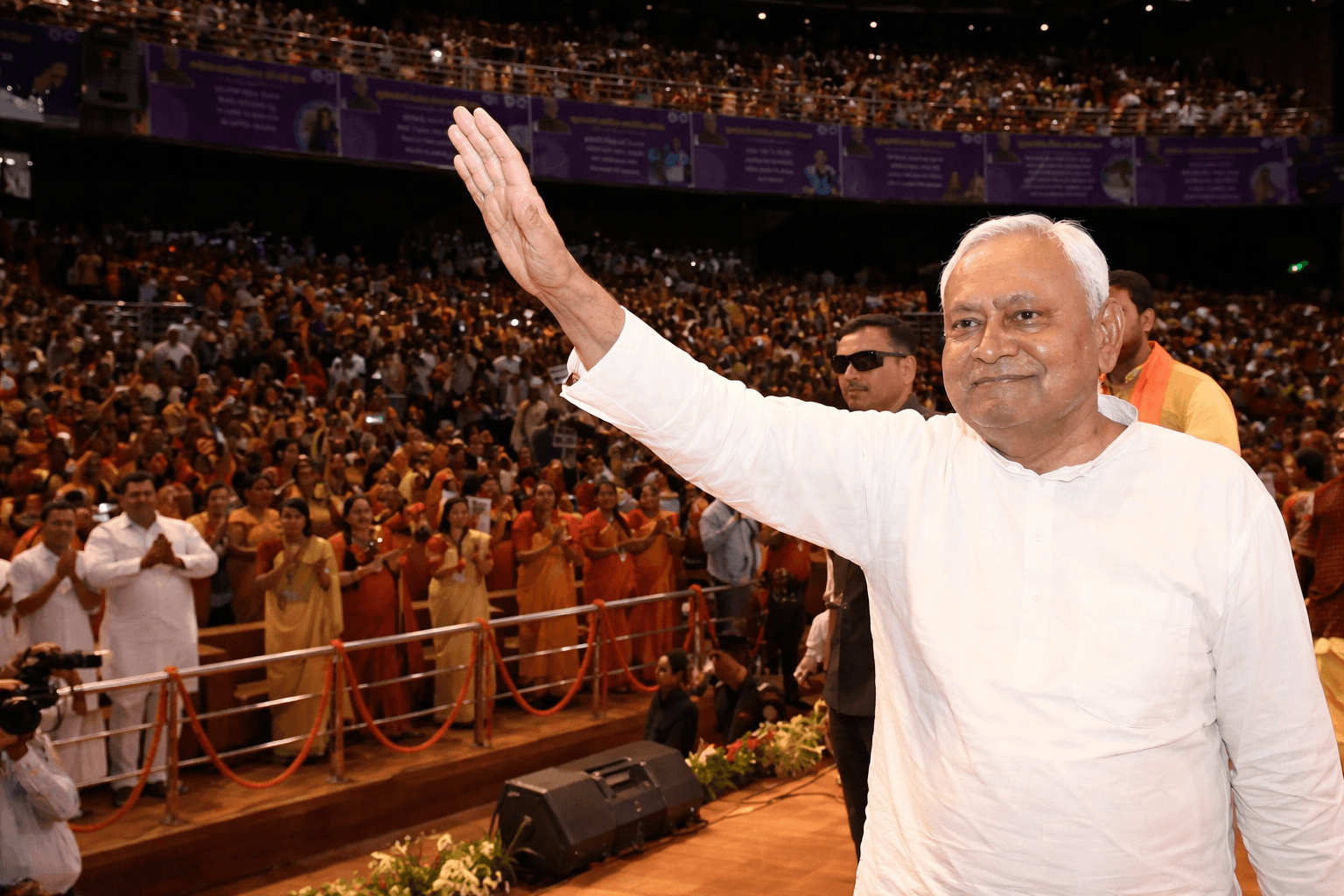
The Nitish Kumar resignation has triggered a significant political shift in Bihar. It marks the possible end of one of the longest-serving leadership eras in the state.
Recent developments confirm that Kumar has stepped down as a Member of the Legislative Council. This move has intensified speculation about his imminent exit as Chief Minister. While no immediate replacement has been officially confirmed, the political transition is clearly underway.
A Long and Strategic Political Journey
Nitish Kumar has been a central figure in Bihar’s governance for nearly two decades. His tenure saw multiple alliances, including partnerships with both the NDA and opposition blocs.
Over the years, he built a reputation for governance reforms, infrastructure development, and social schemes. However, frequent political realignments also raised questions about long-term ideological consistency. Now, his resignation signals more than just a leadership change. It reflects deeper structural shifts within Bihar’s political ecosystem.
Key Developments Driving the Exit
The resignation from the legislative council is not a routine move. It carries strategic weight. Firstly, it indicates a gradual withdrawal from active governance. Secondly, it aligns with internal transitions within the Janata Dal (United).
Reports suggest that Kumar may continue as Chief Minister for a short transitional period. However, the countdown toward a leadership change has clearly begun. At the same time, internal party dynamics and coalition pressures appear to be influencing this decision.
Who Could Be the Next Bihar Chief Minister?
The leadership vacuum has triggered discussions around potential successors. Several senior leaders within the Janata Dal (United) and allied parties are being considered. However, no clear frontrunner has emerged yet. This uncertainty reflects both opportunity and risk. A smooth transition could strengthen governance. On the other hand, internal conflict could destabilize the ruling structure.
What Lies Ahead for Bihar Politics
The coming months will be critical. If the transition is managed effectively, Bihar could enter a phase of renewed policy focus. However, any instability could disrupt governance and delay key initiatives.
Therefore, the focus now shifts to how quickly and efficiently the leadership transition is executed.
A Turning Point, Not Just a Transition
The Nitish Kumar resignation represents more than a routine political exit. It marks a turning point in Bihar’s governance structure. While Kumar’s legacy will remain significant, the state now faces a crucial phase of leadership renewal.
The real test lies ahead. The next Chief Minister must not only maintain stability but also build on past progress. Bihar stands at a crossroads. The decisions made now will shape its political and economic trajectory for years to come.
FAQ's
Why did Nitish Kumar resign from the legislative council?
He stepped down as part of a broader political transition, signaling a possible exit from the Chief Minister role.
Will Nitish Kumar immediately step down as Bihar CM?
Not immediately. Reports suggest he may continue for a short transitional period.
Who is likely to become the next Bihar Chief Minister?
No official candidate has been confirmed yet. Multiple leaders are being considered.
What does this mean for Bihar politics?
It indicates a major leadership shift and potential changes in political alliances and governance priorities.
How will this impact governance in Bihar?
Short-term uncertainty is expected, but long-term impact depends on how smoothly the transition is managed.
Topics
Covering startup news, AI, technology, and business at ThePrimely. Delivering accurate, in-depth reporting on the stories that shape the future.