
Aluminum prices surge as Iran war disrupts global metal supply chain
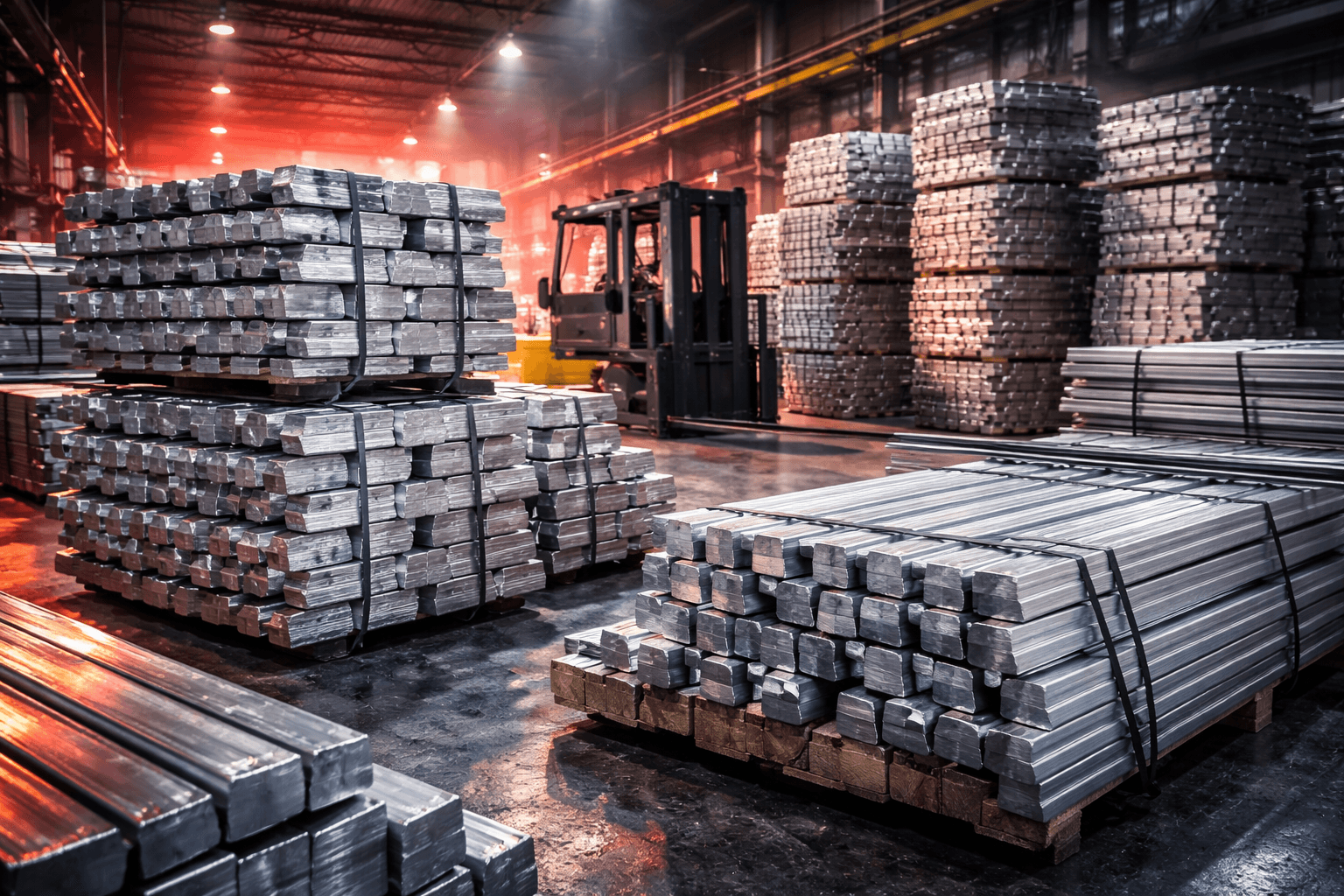
Strikes on Middle East smelters trigger concerns over industrial metal availability and price volatility
Aluminum prices surge as markets react to supply disruptions linked to the Iran war and damage to major Middle East smelters. Benchmark aluminium on the London Metal Exchange rose sharply, reaching near four-year highs amid concerns over reduced output.
The recent escalation in geopolitical tensions has increased uncertainty across commodity markets, particularly metals used in manufacturing, construction, and packaging.
Reuters reported aluminium prices climbed to around 3,492 dollars per metric tonne after attacks affected production facilities operated by Emirates Global Aluminium and Aluminium Bahrain.
Iran war impact on global aluminium production
The Middle East accounts for approximately 9 percent of global aluminium supply, making disruptions in the region significant for international markets. Analysts note that limited spare capacity and already low inventories have amplified the price reaction.
Aluminium Bahrain, operator of one of the world’s largest single-site smelters, confirmed operational disruptions after the attacks. Emirates Global Aluminium also reported damage affecting production capacity.
Industry observers say reduced supply from Gulf producers may affect manufacturing supply chains across Europe, Asia, and North America.
Additionally, traders noted that aluminium premiums increased as buyers sought alternative supply sources amid shipping disruptions linked to Strait of Hormuz tensions.
Strait of Hormuz tensions add logistical pressure
Shipping constraints have increased risks for transporting industrial metals from Gulf producers to global markets. The Strait of Hormuz remains a critical route for both energy and raw material exports.
Supply chain challenges have intensified as exporters face higher insurance costs and logistical delays due to geopolitical uncertainty.
Analysts suggest prolonged restrictions on maritime routes could contribute to sustained upward pressure on aluminium prices.
Meanwhile, increased volatility has also influenced other base metals including zinc, nickel, and tin.
Industrial demand supports upward price movement
Aluminium is widely used in sectors such as automotive manufacturing, aerospace, renewable energy infrastructure, and consumer packaging.
Demand for lightweight metals continues to increase as industries transition toward energy-efficient technologies and electric vehicles.
Market analysts note that limited supply combined with stable demand conditions can contribute to stronger price momentum.
Bloomberg reported that supply constraints could push the market into deficit if production disruptions continue for an extended period.
Additionally, global inventories have declined significantly in recent months, reducing buffers available to stabilise prices during supply shocks.
Market reaction across global commodities
The broader commodities complex has also reacted to geopolitical tensions affecting supply chains. Oil prices have shown volatility as markets assess potential disruptions to Middle East energy exports.
Investors often track industrial metals as indicators of global economic activity, particularly manufacturing trends in China and Europe.
Aluminium producers’ shares have also recorded gains following the price increase, reflecting expectations of improved profitability for mining and smelting companies.
Meanwhile, analysts continue to monitor developments in the Iran conflict due to its potential impact on commodity supply chains and global inflation.
Economic implications of higher aluminium prices
Rising aluminium prices may influence production costs across industries including construction, automotive manufacturing, electronics, and packaging.
Higher input costs can affect pricing strategies for manufacturers and contribute to inflationary pressure in some sectors.
Energy-intensive industries are particularly sensitive to aluminium price fluctuations due to reliance on stable raw material supply.
Market participants expect price volatility to continue as geopolitical developments influence investor sentiment and commodity supply expectations.
Topics
Covering startup news, AI, technology, and business at ThePrimely. Delivering accurate, in-depth reporting on the stories that shape the future.