
Did RBI Really Announce New Rules for Old ₹500 and ₹1000 Notes Exchange in 2026?
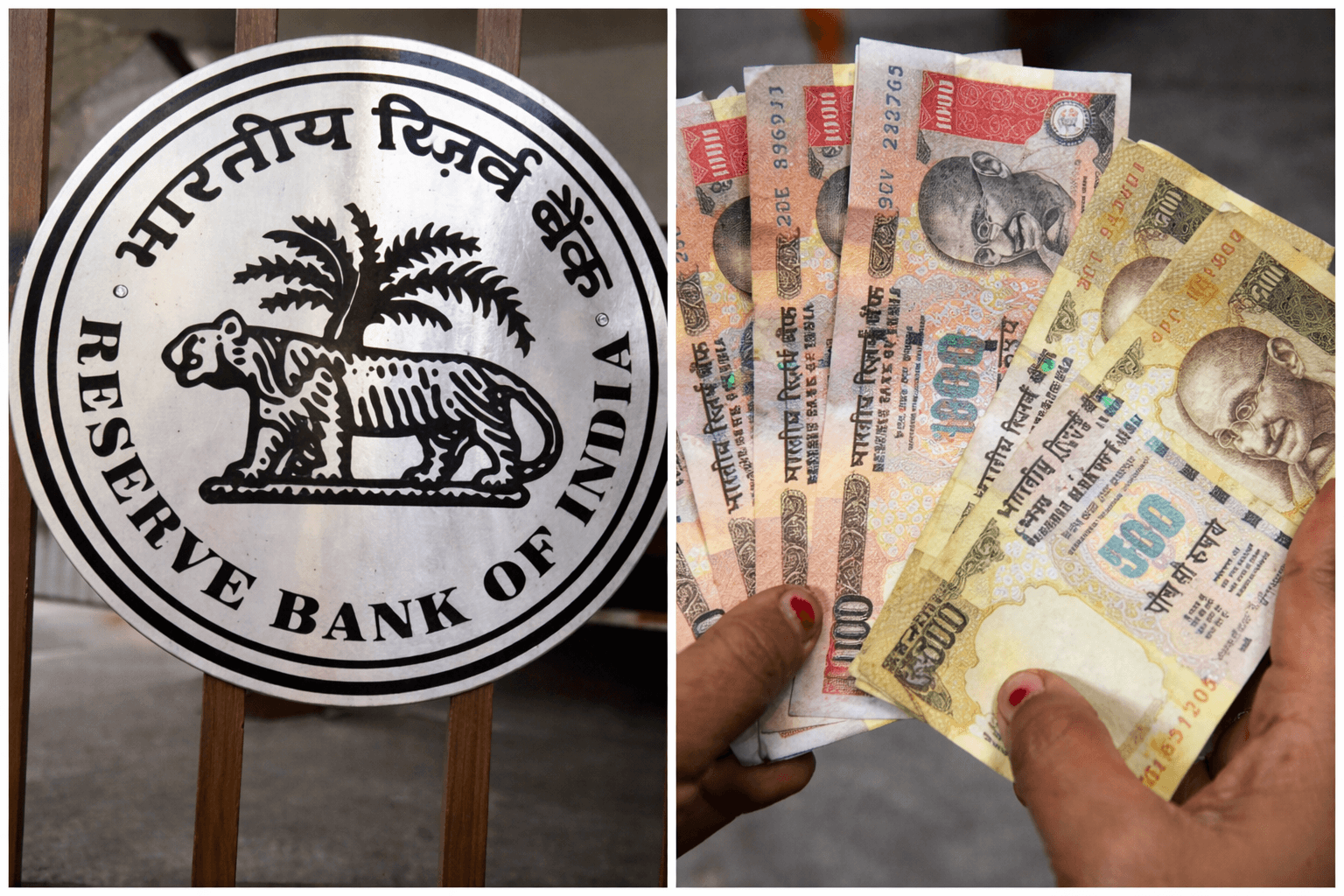
The viral buzz around RBI old notes exchange rules has created confusion. Many people believe new guidelines now allow old ₹500 and ₹1000 notes to be exchanged. However, official clarification tells a very different story.
The claim is false. Authorities have clearly rejected it. Yet, the scale of misinformation highlights a deeper issue in financial awareness.
What Exactly Is the Viral Claim?
Recent posts across social media and some reports suggested that the Reserve Bank of India introduced new rules. These claims stated that discontinued ₹500 and ₹1000 notes could now be exchanged again.
This information spread quickly. It triggered concern and curiosity among the public. However, no official announcement supported these claims.
PIB Fact Check: The Official Clarification
The Press Information Bureau stepped in to verify the claim. Its fact checking unit clearly labeled the news as fake. According to the clarification, RBI has made no such announcement. There are no new rules allowing exchange of discontinued currency notes.
The PIB also advised people to rely only on official sources. It emphasized that the RBI website remains the only trusted platform for such updates.
What Happened to ₹500 and ₹1000 Notes?
To understand the confusion, context is important. On November 8, 2016, the Government of India demonetised ₹500 and ₹1000 notes. These notes lost their legal tender status immediately.
Citizens were given a limited window to deposit or exchange them. After that deadline, the notes became invalid for transactions. Since then, no fresh exchange window has been announced.
Why Such Fake News Spreads Quickly
Misinformation around currency often spreads fast. It directly affects people’s money and trust. There are three key reasons behind this trend. First, financial policies impact everyone. Even small rumors gain attention quickly.
Second, older demonetisation memories still influence public perception. Third, social media accelerates unverified claims without checks. Therefore, even false updates can appear credible at first glance.
Impact on Public and Financial Awareness
Such misinformation creates unnecessary panic. People may rush to banks or share false updates. It also weakens trust in official communication. When fake news spreads widely, clarity becomes harder to maintain.
However, quick intervention by PIB helps control damage. Fact checks play a critical role in maintaining financial stability.
What Should Citizens Do Now?
The situation is clear. There are no new RBI rules for exchanging old ₹500 and ₹1000 notes. Citizens must verify information before acting. They should depend only on official announcements from RBI or government sources. Avoid forwarding unverified messages. This reduces the spread of misinformation.
The RBI old notes exchange rules controversy is a clear example of how misinformation spreads in the digital age. Despite viral claims, no new guidelines exist. Authorities have firmly denied any such move. The key takeaway is simple. Trust verified sources. Ignore unconfirmed reports. In financial matters, accuracy is not optional. It is essential.
FAQ's
1. Did RBI announce new rules for old ₹500 and ₹1000 notes?
No. PIB confirmed that this claim is fake and no such announcement was made.
2. Can old ₹500 and ₹1000 notes be exchanged now?
No. These notes were demonetised in 2016 and are no longer valid.
3. Who verified the claim about new rules?
The Press Information Bureau fact check unit officially debunked the claim.
4. Where should I check RBI updates?
Always refer to the official RBI website for accurate information.
5. Why do such fake news stories spread quickly?
They spread due to public interest, past events like demonetisation, and rapid sharing on social media platforms.
Topics
Covering startup news, AI, technology, and business at ThePrimely. Delivering accurate, in-depth reporting on the stories that shape the future.