
Zuckerberg’s Testimony in Landmark Social Media Addiction Trial: What It Means for Tech and Youth Safety
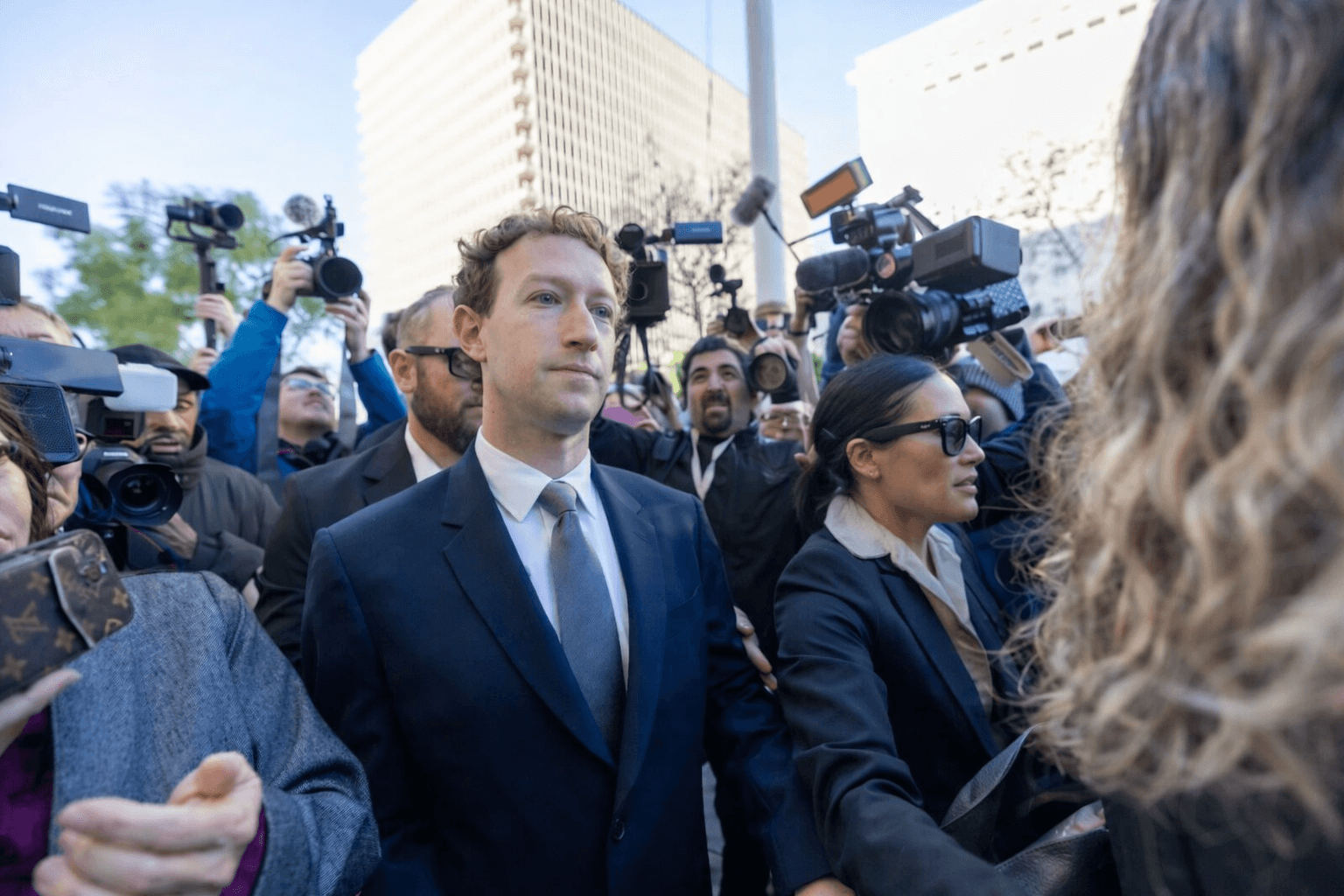
The social media addiction trial currently unfolding in Los Angeles has become a pivotal moment for the tech industry’s accountability in youth wellbeing. Meta CEO Mark Zuckerberg took the stand in one of the most closely watched trials of the decade, defending his company’s practices and confronting stark allegations that platforms like Instagram and YouTube were designed to foster addictive usage among children and teens.
In this high-stakes legal battle, industry design choices and user safety practices are under unprecedented judicial scrutiny. The outcome could shape legal precedent for thousands of similar lawsuits across the United States. Alongside this legal debate, emerging health research on the relative importance of sleep and exercise further underscores how digital habits and lifestyle choices converge in public health discussions.
What Is Happening in the Trial
The Los Angeles trial focuses on a lawsuit filed by a then-29-year-old woman, known by her initials “KGM,” who alleges that her compulsive use of Meta’s platforms during childhood contributed to depression, anxiety, and suicidal thoughts.
Key Allegations
- Meta and Google’s YouTube are accused of designing platforms to be addictive to young users.
- Internal documents presented in court suggest Meta employees acknowledged teen engagement could be maximized with features resembling dopamine-triggering design patterns.
- Plaintiffs argue that these design choices prioritized profit and engagement above mental health and safety.
Zuckerberg’s Testimony
On the witness stand, Zuckerberg defended Meta’s approach to youth safety, acknowledging challenges in enforcing age restrictions but denying intentional targeting of minors.
He reiterated that Instagram’s policy has always prohibited users under 13. However, he admitted it is “very difficult” to fully block children who lie about their age when signing up.
Zuckerberg stressed that company goals now prioritize utility over time spent on the platform, arguing that if a service is genuinely valuable, usage naturally increases.
He also claimed that safety investments continue and that internal efforts have been made to improve age verification tools — though addressing these concerns sooner was a point of regret.
Industry and Legal Context
This trial marks a departure from traditional content-based legal challenges. Instead, it asks whether platform design itself can create a condition analogous to addiction.
Meta argues that current scientific evidence does not prove that social media use directly causes mental health disorders, emphasizing that many factors influence well-being.
Instagram’s head, Adam Mosseri, testified earlier that excessive usage is better described as “problematic use” rather than clinical addiction — a semantic distinction with legal weight in court.
TikTok and Snapchat have settled similar claims, and investors are watching how liabilities from youth safety suits could impact future earnings and regulatory scrutiny.
Strategic Implications for Big Tech
This trial represents a potential turning point in how social media platforms are regulated:
- Legal Responsibility: If the jury sides with plaintiffs, it could extend liability beyond harmful content to the very architecture of digital products.
- Product Design: Companies may be compelled to rethink features such as infinite scroll, personalized recommendations, and push notifications — all designed to maximize engagement.
- Regulatory Oversight: Governments may pursue tighter age-verification standards and impose more stringent safety obligations on tech platforms.
Many child safety advocates hope this case will shift public sentiment and increase pressure on tech companies to demonstrate meaningful commitment to youth mental health.
Sleep vs Exercise — What Health Research Says
Separate but relevant to broader health debates is emerging research asking: If time and resources are limited, is sleep or exercise more important for overall health?
A global study analyzing data from over 70,000 people and 28 million tracked sleep and activity days suggests that while both are essential, sleep quality may have a stronger influence on next-day physical activity than exercise has on sleep quality.
Key Findings
- Fewer than 13% of participants consistently met both recommended sleep (7–9 hours) and daily activity thresholds (~8,000 steps).
- Good sleep quality was a better predictor of next-day movement than higher step counts were of that night’s sleep.
- Sleep influences metabolic recovery, hormone regulation, and cognitive functions foundational to sustained physical activity and overall wellbeing.
The social media addiction trial encapsulates urgent questions about technology, health, and accountability.
Zuckerberg’s testimony illustrates the complex intersection of product design and public wellbeing — and the legal challenge may redefine expectations for tech giants.
At the same time, health research reminds us that lifestyle factors like sleep and physical activity are foundational to physical and mental health.
These parallel debates reflect a society grappling with how digital and real-world behaviours influence wellbeing. For policymakers, parents, and industry leaders, the outcomes of both legal and health science discussions could shape future standards for youth safety, public health, and corporate responsibility.
Topics
Covering startup news, AI, technology, and business at ThePrimely. Delivering accurate, in-depth reporting on the stories that shape the future.