
Google Unveils U.S.-India Subsea Cable to Boost Digital Links
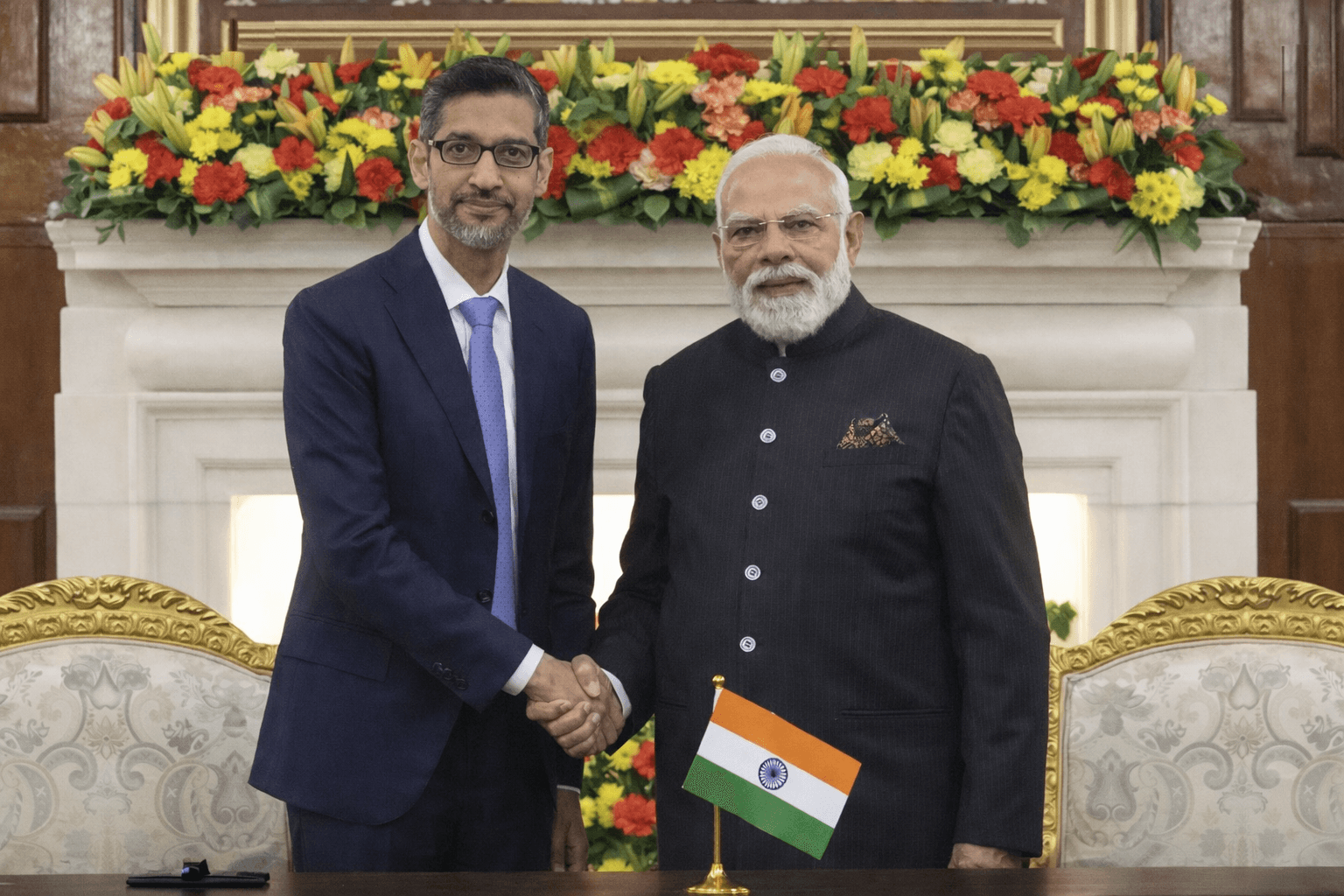
Google Launches U.S.-India Subsea Cable to Strengthen Digital and AI Connectivity
Google has announced a major new infrastructure initiative to build a U.S.–India subsea cable project. The move aims to enhance internet capacity, improve resilience, and strengthen artificial intelligence connectivity between the United States and India.
The project was unveiled during the India AI Impact Summit in New Delhi. Importantly, it seeks to create multiple new subsea fiber-optic links and establish a strategic international gateway in Visakhapatnam on India’s east coast. Google said the initiative forms part of its wider effort to expand global digital infrastructure.
Strategic subsea links and global reach
Under the initiative, Google plans to build several new subsea and terrestrial routes. These links will significantly expand global connectivity.
Specifically, the plan includes:
- A new international subsea gateway in Visakhapatnam. This gateway will act as a major landing point for future cable connections.
- Three new subsea paths connecting India to Singapore, South Africa, and Australia.
- Four strategic fiber-optic routes linking the United States, India, and parts of the Southern Hemisphere.
Additionally, the project includes direct fiber connections between India’s east and west coasts. For example, one route will link Visakhapatnam with Chennai and then extend to South Africa. Meanwhile, another will connect Visakhapatnam to Singapore and onward through Australia to the United States. A separate path will link Mumbai to Western Australia as part of a broader Pacific corridor.
A new gateway for digital growth
Executives said the initiative will increase both the resilience and capacity of India’s digital backbone. By establishing Visakhapatnam as a major subsea cable hub, Google will diversify network routes beyond traditional landing points in Mumbai and Chennai.
As a result, the expanded infrastructure is expected to improve internet reliability. It will also support rising demand for data, cloud services, and AI-driven applications across the region.
Context and broader AI strategy
The subsea cable initiative aligns with Google’s broader digital infrastructure strategy. Previously, the company announced plans for a $15 billion AI infrastructure investment in India, covering data centres and related facilities.
Therefore, the new subsea links are designed to complement those investments. They will enable faster, more reliable connectivity for AI workloads and cloud services.
Industry analysts say improved undersea connectivity has become critical. Digital traffic continues to surge, while AI-related data demand is growing rapidly. Consequently, such projects aim not only to enhance service quality but also to support economic activity, digital inclusion, and innovation across continents.
Topics
Covering startup news, AI, technology, and business at ThePrimely. Delivering accurate, in-depth reporting on the stories that shape the future.