
Supreme Leader’s Reported Death: Why Some Iranians Are Celebrating a Historic Turning Point
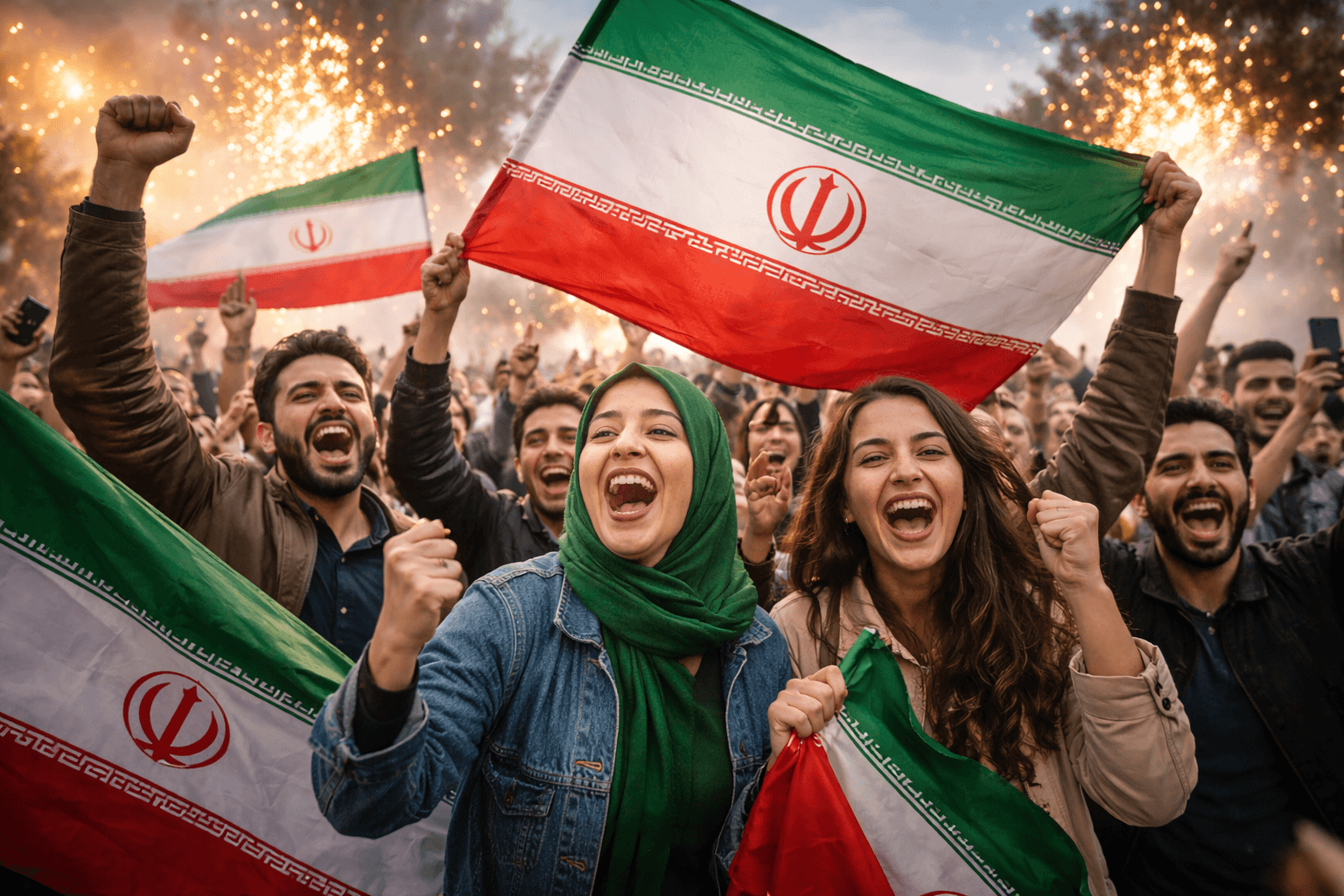
Reports circulating globally claim that Iran’s Supreme Leader was killed on February 28, 2026, during joint United States and Israeli airstrikes targeting a secure compound in Tehran. Iranian authorities have denied these claims, calling them psychological warfare. However, several international political figures have publicly asserted that intelligence assessments confirm his death.
As confusion continues, a striking development has emerged inside Iran. In parts of Tehran and other cities, videos and eyewitness accounts describe fireworks, cheering from rooftops, and celebratory chants.
For many outside observers, the reaction may seem shocking. Inside Iran, however, the response is deeply rooted in decades of political tension, economic struggle, and violent repression.
What We Know So Far
- Reports claim the Supreme Leader was killed in coordinated airstrikes.
- Iranian officials deny the death and dismiss the claims.
- Satellite imagery reportedly shows significant destruction of the targeted compound.
- The Islamic Revolutionary Guard Corps is working to stabilize internal command structures.
Independent confirmation remains limited, and the situation is volatile.
You might like this: Netflix and Paramount Shares Surge as Warner Bros Deal Ends Months-Long Battle
Why Some Iranians Are Reacting With Celebration
The reported celebrations are not universal. Iran is a complex society with diverse political views. But for a significant section of the population, this moment represents something larger than the fate of one individual.
1. Hope for Regime Change
For many Iranians, the Supreme Leader symbolized the core of a rigid theocratic structure that has governed the country for decades.
Political analysts describe the reported death as a seismic political moment. Some citizens view it as the greatest opportunity in years to push for structural reform or even an end to clerical rule.
The public celebrations seen in some neighborhoods reflect a belief that the political system could finally face transformation.
2. Anger Over Brutal Crackdowns
The Supreme Leader’s tenure was marked by repeated crackdowns on dissent.
In late 2025 and early 2026, widespread protests were met with force. Human rights groups reported thousands of deaths during suppression efforts. Families who lost loved ones during these protests have expressed deep resentment toward the leadership.
For them, the reported death represents accountability, even if symbolic.
3. Economic Hardship and Daily Struggles
Iran has faced years of economic pressure.
High inflation, currency depreciation, unemployment, and international sanctions have significantly affected ordinary citizens. Many Iranians blame political isolation and regional military involvement for worsening economic conditions.
Rising costs of food, housing, and medicine have intensified public frustration.
For struggling families, the leadership became closely associated with declining living standards.
4. A Sense of Closure for Grieving Families
Opposition groups and critics of the regime argue that the reported death provides emotional closure for families affected by state violence.
Some have described it as a moment of relief after years of trauma.
While this sentiment does not represent all Iranians, it reflects deep emotional wounds within sections of society.
The Other Side of the Reality
It is important to understand that reactions are divided.
Some citizens remain loyal to the system. Others fear instability. The Islamic Revolutionary Guard Corps is expected to play a key role in shaping succession and maintaining control.
Leadership transitions in Iran are constitutionally structured but politically sensitive. Power struggles within elite circles could determine the country’s direction.
The situation remains fluid and uncertain
Topics
Covering startup news, AI, technology, and business at ThePrimely. Delivering accurate, in-depth reporting on the stories that shape the future.