
Why India Did Not Condemn Khamenei’s Killing
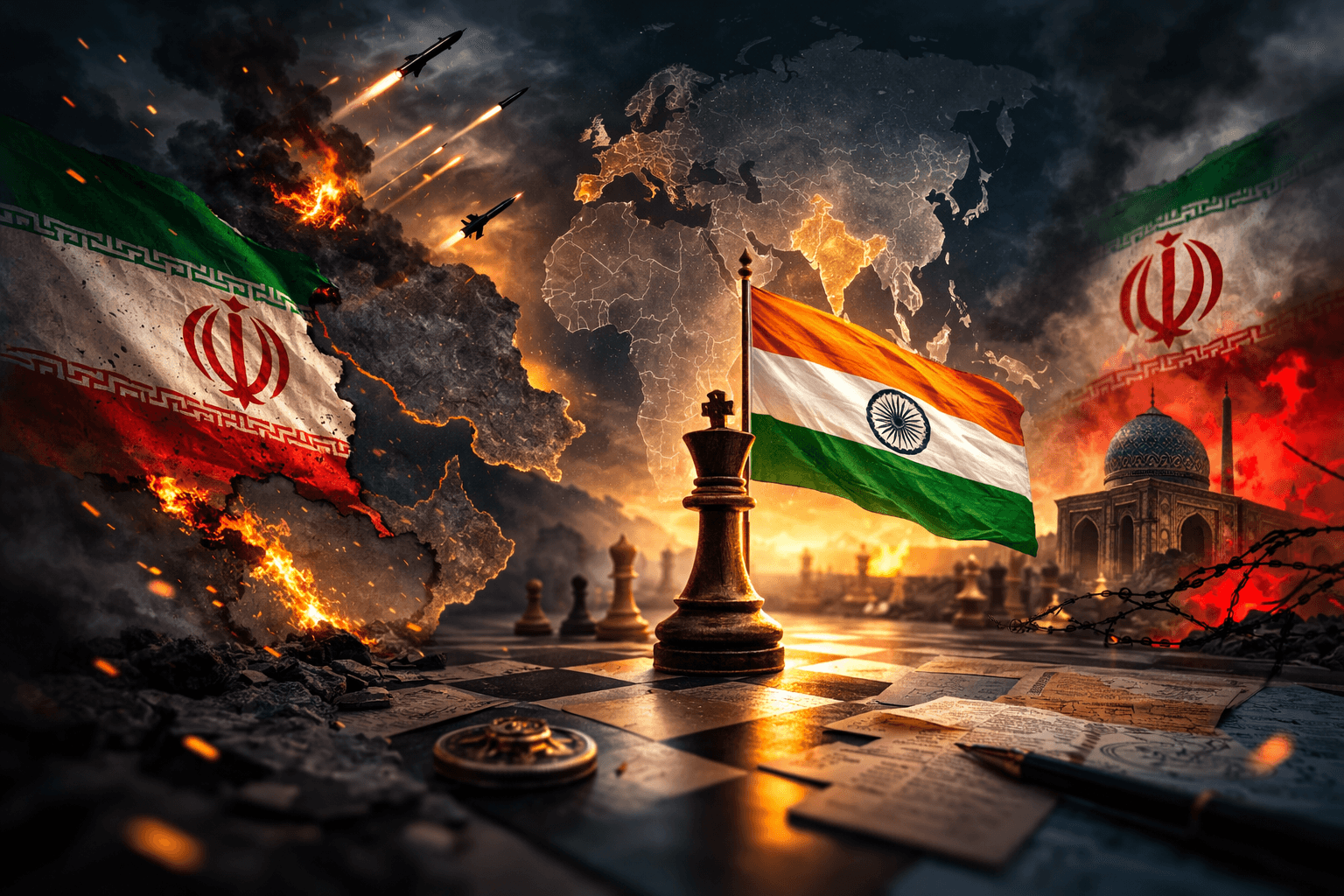
India’s response to the killing of Iran’s Supreme Leader has sparked a fierce political storm at home.
The government chose silence over condemnation.
That decision was deliberate, calculated, and rooted in strategy.
As global powers reacted sharply, New Delhi stayed measured.
This restraint has drawn criticism from opposition leaders.
However, it also reflects how India navigates high risk geopolitics.
Understanding this choice requires looking beyond headlines.
What Happened and Why It Matters
The killing of Ali Khamenei during a US Israel strike on Iranian territory marked a major escalation in Middle East tensions.
Iran confirmed the death soon after the attack.
The strike intensified fears of a wider regional conflict.
Global oil markets reacted within hours.
Several nations issued strong condemnations.
India did not.
That silence quickly became political ammunition inside the country.
you might like this :- US India Tariffs 2026: Rising Trade Tensions and Global Economic Impact
India’s Official Position is Silence, Not Support
India did not endorse the killing.
It also did not issue a condemnation.
Instead, New Delhi reiterated standard diplomatic language.
It called for restraint, de escalation, and respect for sovereignty.
This approach aligns with India’s long standing diplomatic doctrine.
India avoids reactive statements during live conflicts.
It prioritizes long term national interest over symbolic gestures.
Importantly, silence does not equal approval.
Why India Chose Strategic Restraint
1. Balancing Critical Relationships
India maintains deep ties with multiple sides involved.
Iran remains vital for energy security and regional access.
The United States is India’s largest strategic partner.
Israel is a key defence and technology ally.
Condemning one side would strain others.
Neutral language preserves diplomatic maneuverability.
This balance is intentional, not accidental.
2. Energy Security Risks
India imports over 85 percent of its crude oil needs.
Any Middle East escalation threatens supply stability.
Iran holds one of the world’s largest oil reserves.
A confrontational stance could disrupt future energy options.
At a time of global volatility, energy pragmatism matters.
3. Protecting Indian Nationals Abroad
More than eight million Indians live and work in the Gulf region.
Any regional war puts their safety at risk.
India’s cautious tone helps keep evacuation and diplomacy channels open.
Past crises have shown the cost of emotional diplomacy.
Domestic Political Fallout in India
The opposition accused the government of moral failure.
Some leaders questioned India’s claim as a global moral voice.
Protests erupted in several cities.
Statements from opposition parties linked silence to strategic weakness.
The government rejected these claims.
It argued that foreign policy cannot follow domestic pressure cycles.
In diplomacy, restraint often carries more weight than rhetoric.
Strategic Implications for India
Preserving Strategic Autonomy
India has consistently avoided bloc politics.
It engages with all major powers without formal alignment.
This incident reinforces that posture.
India refuses to be drawn into binary global narratives.
Strategic autonomy remains the cornerstone of its foreign policy.
Maintaining Regional Credibility
By avoiding inflammatory language, India retains credibility as a stabilizing actor.
This matters for future mediation roles.
It also strengthens India’s image among Global South nations.
Credibility grows through consistency, not headlines.
What This Means Going Forward
India is likely to continue its calibrated approach.
Expect more calls for diplomacy, not condemnation.
Back channel engagement will increase quietly.
Energy, trade, and security interests will guide decisions.
Public messaging will remain restrained.
This pattern reflects maturity, not hesitation.
Strategy Over Symbolism
India’s silence on Khamenei’s killing was not confusion.
It was calculation.
New Delhi chose national interest over instant outrage.
It protected energy security, diplomatic balance, and regional stability.
In an unstable world, restraint is power.
India’s response shows a country thinking several moves ahead.
Topics
Covering startup news, AI, technology, and business at ThePrimely. Delivering accurate, in-depth reporting on the stories that shape the future.