
Washington Post CEO Will Lewis Resigns After Mass Layoffs and Backlash
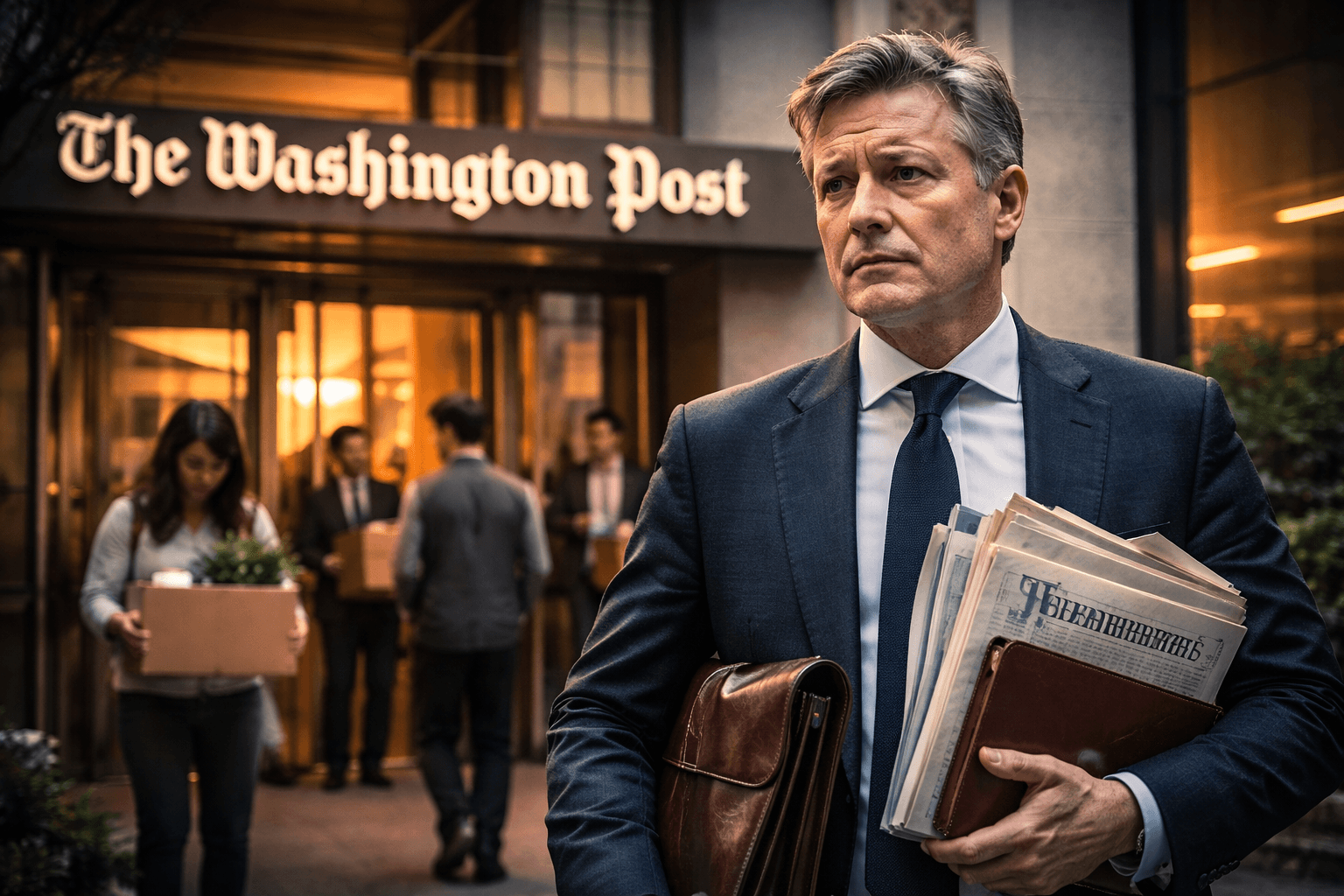
In a dramatic leadership shift at one of America’s most iconic newspapers, Will Lewis, publisher and chief executive officer of The Washington Post, resigned just days after the company carried out sweeping layoffs that affected approximately one-third of its newsroom. His departure underscores deep challenges facing legacy media, rising internal criticism, and growing concern over editorial strategy and financial sustainability.
What Happened at The Washington Post
Will Lewis’s resignation was announced on Saturday, just three days after The Washington Post announced mass layoffs impacting hundreds of staffers, including key sections such as sports, photography, and global reporting bureaus. Lewis informed employees in a brief email that “difficult decisions have been taken in order to ensure the sustainable future of The Post” and that “now is the right time for me to step aside.”
The layoffs represented one of the largest reductions in staff in the newspaper’s history, affecting more than 300 writers, editors, and media professionals in a bid to address ongoing financial losses and declining subscriber numbers.
Leadership Transition and Interim CEO
Following Lewis’s departure, The Washington Post appointed Jeff D’Onofrio, the paper’s chief financial officer since mid-2025, as acting publisher and CEO. D’Onofrio brings experience from senior roles at digital media and tech companies, including Tumblr, Yahoo, and Google. He steps into leadership amid intense internal pressure to stabilize operations, rebuild morale, and chart a forward path for the newsroom.
In his initial communication to staff, D’Onofrio emphasised commitment to quality journalism while navigating industry headwinds, asserting that the organisation must pair its editorial mission with strong business fundamentals.
Backlash and Union Response
The reaction from newsroom staff and union representatives was swift and critical. The Washington Post Guild, representing journalists and newsroom workers, called Lewis’s departure “long overdue,” and urged owner Jeff Bezos to reverse the layoffs or consider selling the newspaper to an investor willing to focus on its long-term journalistic mission.
Critics argued that the layoffs — coupled with Lewis’s absence during key meetings and his later resignation — signalled a leadership disconnect from newsroom realities. Some journalists even described recent cutbacks as among the “‘darkest days’ in the newspaper’s history,” especially given the elimination of entire reporting teams and bureaus.
Challenges Facing The Washington Post
The upheaval at The Washington Post reflects broader struggles in the media industry as traditional news outlets confront falling advertising revenue, competition from digital platforms, and shifting audience habits. Even with wealthy ownership — Jeff Bezos acquired the paper in 2013 — the publication has faced financial strain, including steep losses and subscriber declines in recent years.
Part of this financial pressure followed controversial editorial decisions, such as a silent stance on political endorsements during the 2024 election cycle, which reportedly led to a significant drop in digital subscription numbers.
Lewis’s Tenure in Perspective
Will Lewis, previously publisher of The Wall Street Journal and a former Dow Jones executive, was brought in to steer The Washington Post through a period of transformation, with an emphasis on restructuring operations and exploring new business models amid industry disruption.
However, his tenure was marked by controversy. Prior reorganisation efforts struggled to yield viable results, and his leadership style drew criticism from staff at times, exacerbating tensions within the newsroom.
What Comes Next for the Newspaper
With D’Onofrio at the helm, The Washington Post is entering a new phase focused on balancing editorial excellence with sustainable business strategy. Observers note that leveraging audience data, refining digital offerings, and stabilising subscriber growth will be key priorities as the publication seeks to secure its future in a rapidly changing news landscape.
Bezos described the leadership change as an “extraordinary opportunity” for the newspaper, expressing confidence that the organisation would continue to evolve while preserving its core mission of delivering high-quality, non-partisan journalism.
Topics
Covering startup news, AI, technology, and business at ThePrimely. Delivering accurate, in-depth reporting on the stories that shape the future.