
US Eases Venezuela Oil Sanctions as Iran War Disrupts Supply
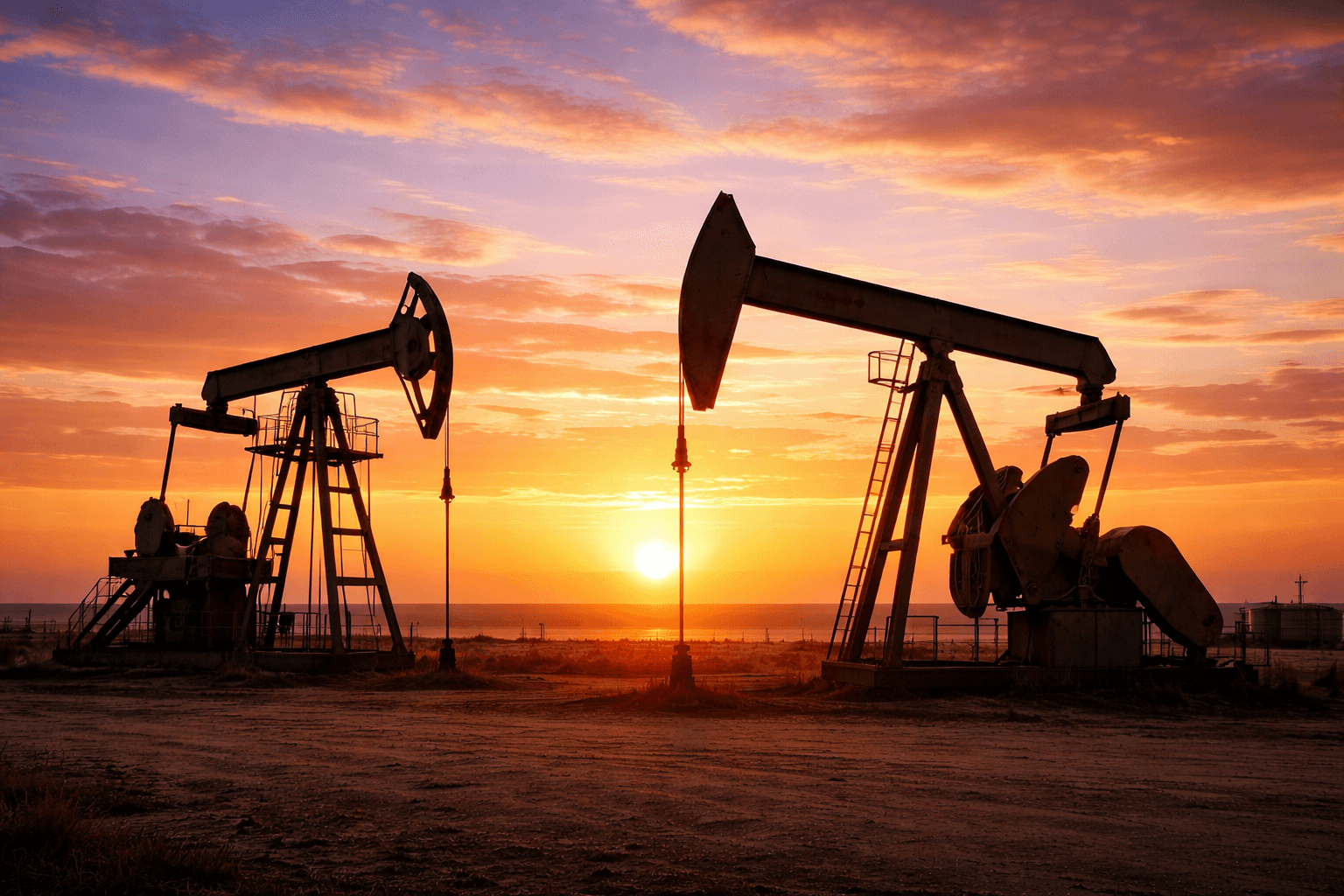
The United States has moved to ease oil sanctions on Venezuela in a bid to stabilise global energy markets, as the ongoing conflict with Iran continues to disrupt supply and push prices higher.
The decision marks a significant shift in US policy and highlights the growing pressure on governments to respond to a rapidly tightening oil market.
A Strategic Move to Boost Supply
The US Treasury has issued a broad authorisation allowing companies to engage in transactions with Venezuela’s state-owned oil company, Petróleos de Venezuela S.A. (PDVSA).
This effectively reopens channels for Venezuelan crude to reach global markets after years of strict restrictions.
Officials say the move aims to increase global oil supply at a time when disruptions in the Middle East have tightened availability.
The easing comes as oil prices remain elevated, driven by reduced shipments through key routes such as the Strait of Hormuz.
Iran War Drives Energy Market Turmoil
The conflict involving Iran has had a major impact on global energy flows.
Shipping disruptions and security risks in the Gulf have reduced oil exports, sending prices sharply higher.
In response, countries have taken emergency steps, including releasing strategic reserves and seeking alternative sources of supply.
The US decision to turn to Venezuela reflects the urgency of the situation.
Venezuela holds the world’s largest proven oil reserves, but years of sanctions and economic mismanagement have sharply reduced its production capacity.
A Shift After Years of Sanctions
For years, Washington imposed strict sanctions on Venezuela’s oil sector to pressure its leadership.
These measures severely limited the country’s ability to export crude and attract investment.
The new policy does not fully remove those restrictions.
Instead, it allows limited transactions under controlled conditions, including mechanisms to ensure payments do not directly benefit sanctioned entities.
This approach reflects an attempt to balance geopolitical concerns with economic necessity.
Can Venezuela Increase Production?
While the policy shift opens the door for more supply, experts warn that Venezuela may struggle to quickly increase output.
The country’s oil infrastructure has deteriorated after years of underinvestment.
Production remains far below historical levels, and significant investment will be needed to restore capacity.
Some analysts believe it could take months, or even years, for Venezuela to meaningfully boost production.
However, even modest increases could help ease pressure on global markets.
Global Energy Strategy Expands
The move is part of a broader strategy by the US to stabilise energy markets.
In recent days, Washington has taken several steps to address supply concerns.
These include easing restrictions on other energy flows and encouraging investment in alternative sources.
The goal is to offset the impact of disruptions in the Middle East and prevent further spikes in oil prices.
Criticism and Risks
The decision has drawn criticism from some quarters.
Critics argue that easing sanctions could benefit Venezuela’s leadership and undermine previous efforts to pressure the government.
There are also concerns about whether the move will deliver meaningful results in the short term.
Despite these concerns, officials say the priority is to stabilise global markets and protect consumers from rising fuel costs.
A Market Under Pressure
The easing of sanctions underscores the fragile state of global energy markets.
Supply disruptions, geopolitical tensions and rising demand have created a volatile environment.
Countries are now scrambling to secure alternative sources of oil and reduce their exposure to risk.
What Comes Next
The coming weeks will be critical in determining the impact of the policy.
If Venezuela can increase production and exports, it could provide some relief to global markets.
However, much will depend on the evolution of the Iran conflict and the stability of key shipping routes.
For now, the US decision reflects a broader reality.
In times of crisis, energy policy often shifts quickly — driven less by long-term strategy and more by immediate need.
Topics
Covering startup news, AI, technology, and business at ThePrimely. Delivering accurate, in-depth reporting on the stories that shape the future.