
US Anti Dumping Duty on Indian Solar: Why Now and What Comes Next for Trade and Industry
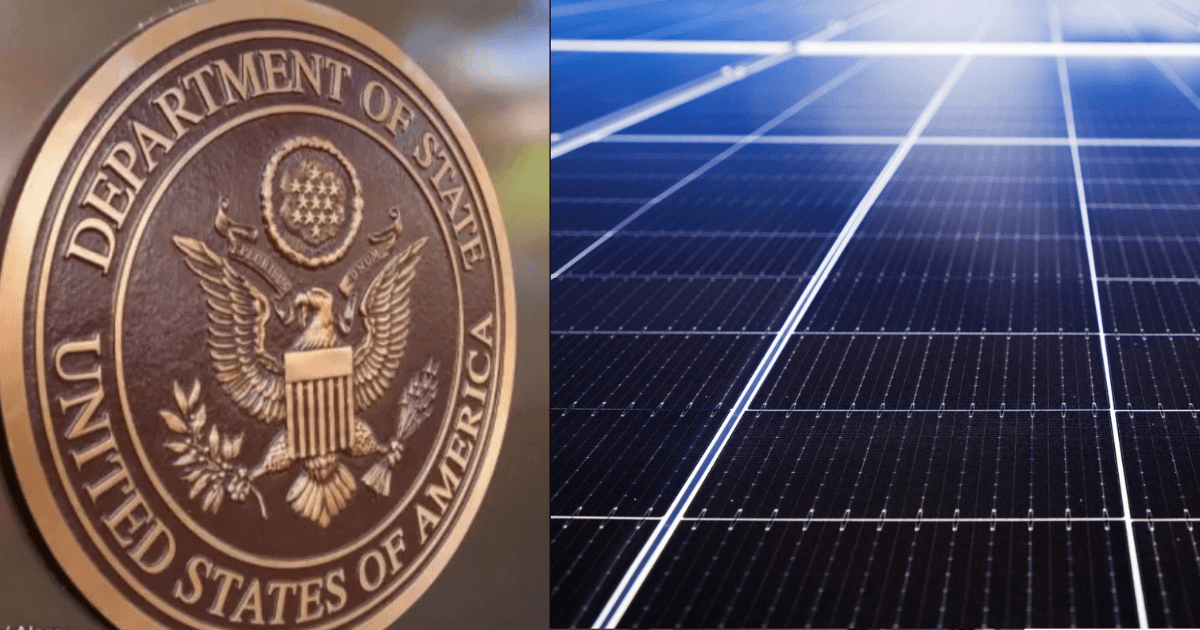
The US anti dumping duty on Indian solar has introduced a sharp shift in global renewable trade dynamics. The United States has imposed a preliminary duty of up to 123 percent on solar imports from India. This decision has triggered immediate concern across the Indian solar industry and global markets.
The move signals rising trade friction at a time when clean energy collaboration remains critical.
What the US Decision Means
The US Department of Commerce has announced a preliminary anti dumping duty on solar cells and modules imported from India. The duty can go as high as 123 percent, depending on the manufacturer. Authorities argue that Indian exporters sold solar products in the US market at unfairly low prices. This, according to US officials, harmed domestic manufacturers.
However, Indian industry leaders strongly dispute this claim. They argue that pricing reflects efficiency and scale, not unfair practices.
Background Behind the Trade Action
This decision follows a broader trend of protectionist measures in the renewable sector. The United States has been actively trying to boost domestic solar manufacturing. Policies under recent economic frameworks aim to reduce reliance on imports.
At the same time, India has emerged as a competitive exporter of solar cells. Lower production costs and government incentives have strengthened its global position. As a result, trade tensions have gradually intensified. The current duty reflects this underlying friction.
Key Developments and Industry Reaction
The scale of the duty has surprised many stakeholders. A 123 percent tariff significantly alters cost competitiveness. Indian exporters now face reduced access to one of the world’s largest solar markets. Industry bodies have described the situation as critical.
They warn that such measures could disrupt supply chains and delay renewable projects. Moreover, companies with exposure to US markets may face immediate revenue pressure. At the same time, the US solar sector remains divided. While domestic manufacturers support the move, project developers worry about rising costs.
Impact on Solar Industry and Market Dynamics
The implications extend beyond bilateral trade. First, global solar prices may rise. Reduced competition often leads to higher costs. This could slow down solar adoption in key markets.
Second, supply chains may shift. Buyers could turn to alternative exporters such as Southeast Asian countries. However, similar duties on nations like Indonesia and Laos complicate this shift.
Third, Indian manufacturers may redirect exports to Europe, the Middle East, and emerging markets. This could intensify competition in those regions.
Strategic Implications for India and the US
This development has broader strategic consequences. For India, it highlights the need to diversify export markets. It also reinforces the importance of strengthening domestic demand.
For the United States, the move aligns with its goal of building local manufacturing capacity. However, it also risks increasing project costs in the short term. Importantly, such trade actions can strain diplomatic relations. Clean energy cooperation may face new challenges.
What This Signals for the Renewable Energy Landscape
The US anti dumping duty on Indian solar reflects a deeper shift in global energy strategy. Countries are no longer focused only on clean energy adoption. They are also prioritizing control over supply chains.
This dual focus creates tension between sustainability goals and economic interests. As a result, trade disputes in the renewable sector may become more frequent.
A Defining Moment for Solar Trade
The US anti dumping duty on Indian solar is a turning point. It reshapes market access, pricing dynamics, and strategic priorities. While it supports domestic manufacturing in the US, it creates uncertainty for global trade.
Going forward, both countries must balance competition with cooperation. The future of renewable energy depends on it.
FAQ's
1. What is the US anti dumping duty on Indian solar?
It is a preliminary tariff of up to 123 percent on solar imports from India.
2. Why did the US impose this duty?
The US claims Indian exporters sold solar products at unfairly low prices.
3. How will this affect Indian companies?
They may lose competitiveness in the US market and face revenue pressure.
4. Will global solar prices increase?
Prices may rise due to reduced competition and supply chain disruptions.
5. What are the broader implications?
The move could reshape global solar trade and influence renewable energy strategies worldwide.
Topics
Covering startup news, AI, technology, and business at ThePrimely. Delivering accurate, in-depth reporting on the stories that shape the future.