
Trump Pearl Harbor Remark Stuns Japan PM During White House Meeting
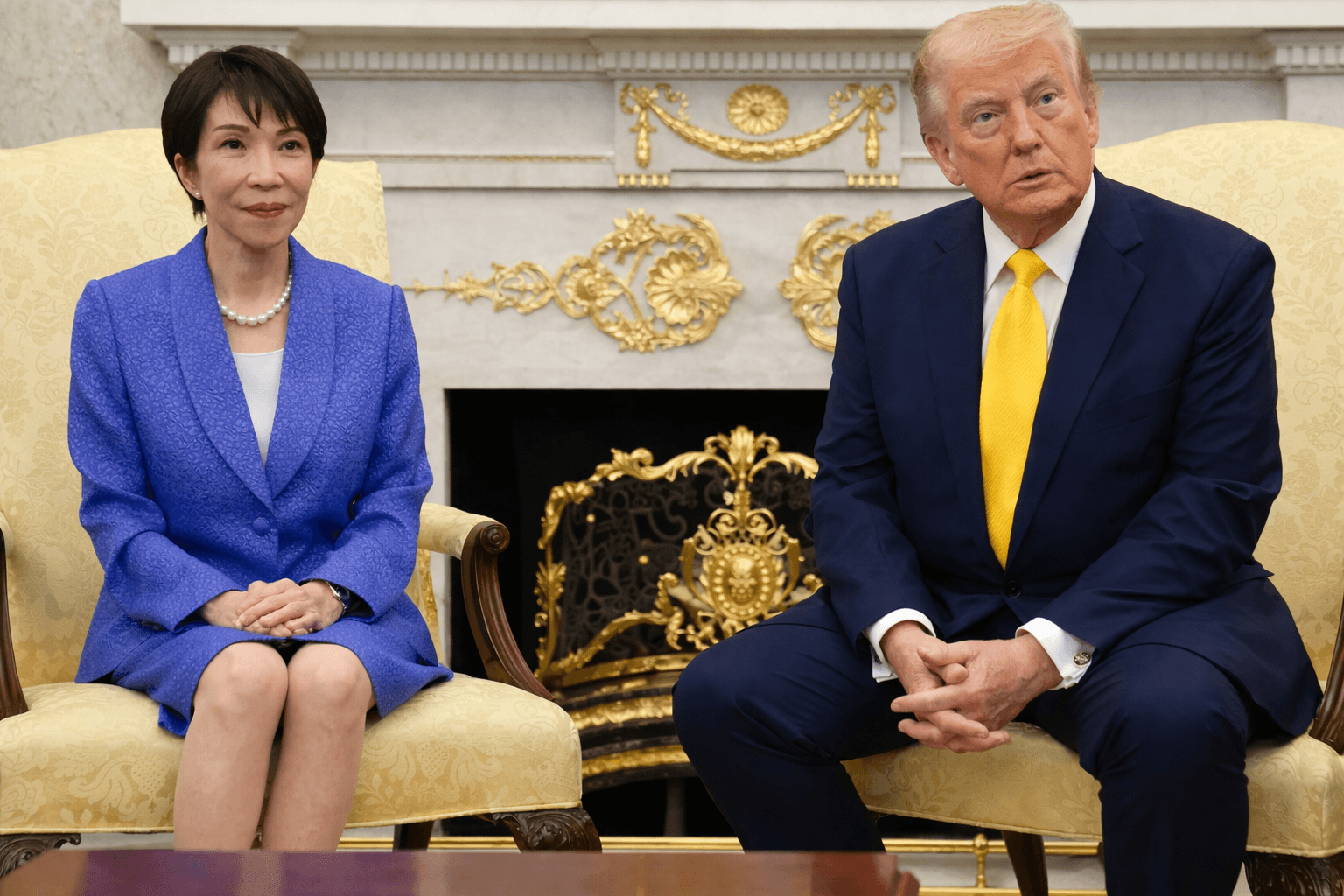
A meeting between US President Donald Trump and Japan’s Prime Minister Sanae Takaichi took an unexpected turn when Trump invoked one of the most sensitive moments in shared history — the attack on Pearl Harbor.
The Trump Pearl Harbor remark came in response to a question about why the United States had not informed allies before launching strikes on Iran in late February.
“Who knows better about surprise than Japan?” Trump said. “Why didn’t you tell me about Pearl Harbor?”
A Moment of Unease in the Room
The comment drew a mixed reaction inside the White House.
Some journalists appeared to laugh. However, observers noted visible discomfort from the Japanese delegation.
According to reporters present, Prime Minister Takaichi seemed taken aback. Her expression changed as she leaned back and paused before continuing.
Japanese journalist Mineko Tokito described the reaction as “clear discomfort,” noting the sudden reference to a painful historical event.
Why the Trump Pearl Harbor Remark Matters
The Trump Pearl Harbor remark touches on a deeply sensitive chapter in US-Japan relations.
On 7 December 1941, Japan launched a surprise attack on the US naval base at Pearl Harbor in Hawaii.
More than 2,300 US military personnel and dozens of civilians were killed. The attack prompted the United States to enter World War Two.
The war ended in 1945 after the US dropped atomic bombs on Hiroshima and Nagasaki, causing massive destruction and loss of life.
Since then, both countries have worked to rebuild ties and move beyond the past.
From Adversaries to Allies
Despite their wartime history, the United States and Japan have become close allies over the decades.
Diplomatic efforts have focused on reconciliation rather than revisiting conflict.
In 2016, then Japanese Prime Minister Shinzo Abe visited Pearl Harbor and offered condolences to the victims.
That same year, former US President Barack Obama visited Hiroshima, highlighting the importance of healing and partnership.
These gestures symbolised how former adversaries had become strong allies.
Tensions Over Iran and Hormuz
The meeting took place against the backdrop of rising tensions in the Middle East.
Japan has faced pressure from Washington to support efforts to reopen the Strait of Hormuz, a key global oil route disrupted by the Iran conflict.
Tokyo has been cautious in its response.
Before the meeting, Japan joined several countries in expressing willingness to support safe passage through the strait.
However, it has not committed to direct military involvement.
A Difficult Diplomatic Balance
Prime Minister Takaichi had reportedly expected the meeting to be challenging.
Japan must balance its alliance with the United States against its own legal and political constraints on military action.
The Trump Pearl Harbor remark added an unexpected layer of tension to those discussions.
Despite the moment, Trump later described the two countries as “friends” and praised Japan’s broader support.
Takaichi, for her part, avoided direct confrontation and focused on outlining Japan’s position.
Public Reaction in Japan
The comment has also drawn attention in Japan.
Some citizens described the situation as uncomfortable.
Others said the prime minister handled it carefully to avoid escalating tensions.
Analysts say such remarks, even if made casually, can carry significant diplomatic weight.
A Reminder of History’s Shadow
The exchange highlights how historical memory continues to shape modern diplomacy.
Even decades after World War Two, references to events like Pearl Harbor can evoke strong reactions.
For leaders, navigating these sensitivities remains an important part of international relations.
What Comes Next
Despite the awkward moment, both countries appear committed to maintaining strong ties.
The US and Japan continue to cooperate on security, trade and regional stability.
However, the meeting underscores the challenges leaders face in managing both present conflicts and historical legacies.
As tensions rise globally, moments like this serve as a reminder that diplomacy often operates in the shadow of history.
Topics
Covering startup news, AI, technology, and business at ThePrimely. Delivering accurate, in-depth reporting on the stories that shape the future.