
Taliban Warns of Retaliation After Deadly Pakistan Strike
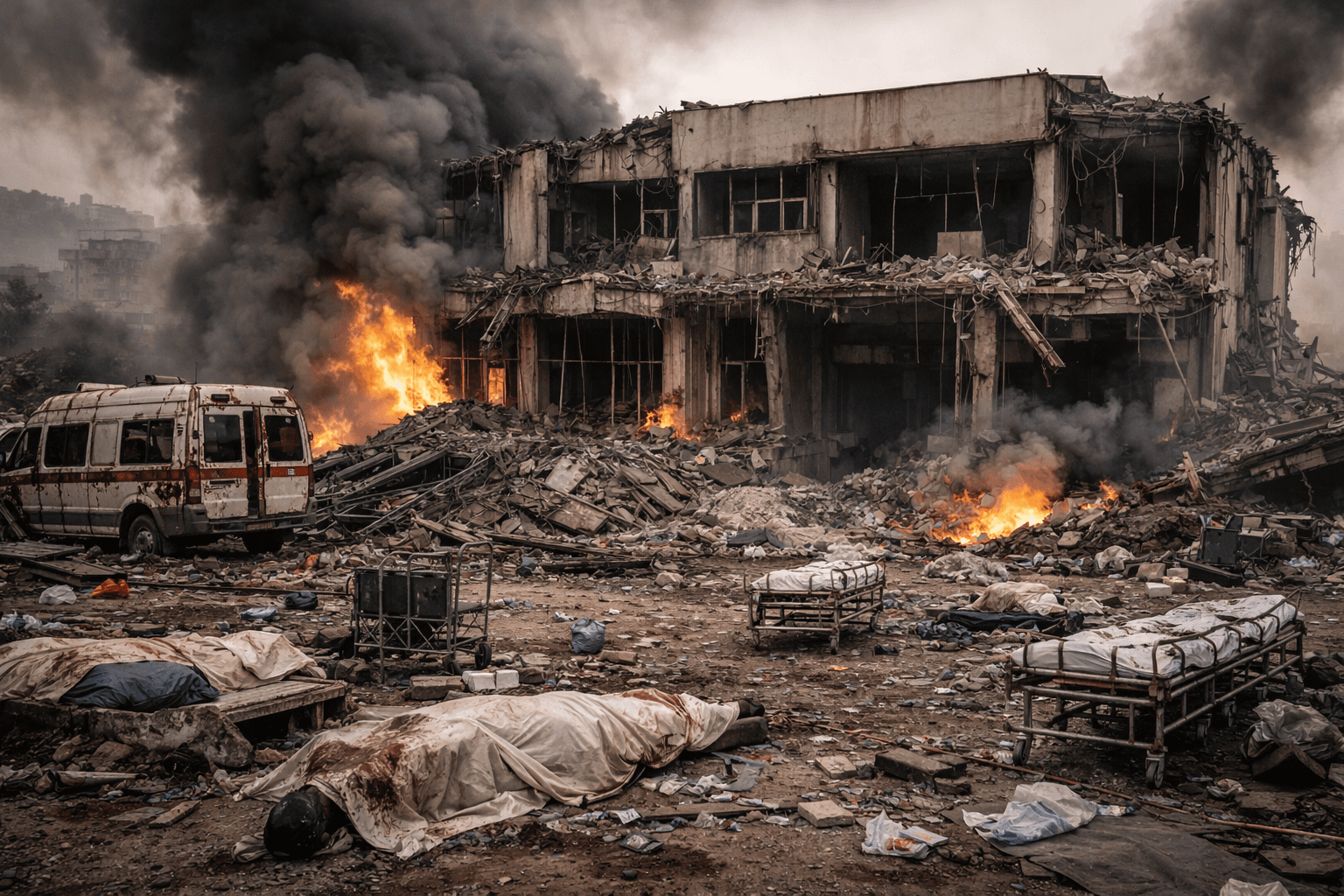
The Taliban has warned that Pakistan’s actions “will not go unanswered” after a deadly airstrike in Kabul that Afghan officials say killed hundreds of people, many of them patients inside a hospital.
The strike marks one of the deadliest incidents in the escalating conflict between Afghanistan and Pakistan, raising fears of a broader regional confrontation.
Deadly Strike on Kabul Hospital
Afghanistan’s Taliban government says a Pakistani airstrike hit a major drug rehabilitation hospital in Kabul, killing around 400 people and injuring more than 250 others.
The facility, known locally as the Omid treatment centre, housed thousands of patients at the time of the attack.
Eyewitnesses described scenes of chaos, with parts of the building collapsing and fires breaking out as rescue teams searched for survivors.
Many of the victims were undergoing treatment, making the incident particularly devastating from a humanitarian perspective.
Pakistan Denies Targeting Civilians
Pakistan has strongly rejected the allegations.
Officials in Islamabad said their forces carried out precision strikes against militant infrastructure, not civilian facilities.
They claim the target was a site linked to militant groups and weapons storage.
The conflicting accounts have made it difficult to independently verify what happened on the ground.
However, international organisations, including the United Nations, have expressed concern about the high number of civilian casualties and called for restraint.
Taliban Vows Response
Taliban spokesperson Zabihullah Mujahid issued a strong warning following the strike.
He described the attack as “brutality” and said it would not go unanswered, signalling that retaliation could follow soon.
Other Taliban officials have also condemned the strike, calling it a violation of international norms and a “crime against humanity”.
The statement highlights the growing risk of escalation between the two neighbouring countries.
Conflict Has Been Building for Months
Tensions between Afghanistan and Pakistan have been rising for months.
Pakistan has accused the Taliban government of sheltering militant groups responsible for cross-border attacks.
The Taliban has denied those claims and, in turn, accused Pakistan of violating Afghan sovereignty through airstrikes.
In recent weeks, both sides have carried out attacks across the border, increasing fears that the conflict could spiral further.
Strategic and Humanitarian Impact
The latest strike has intensified both humanitarian and geopolitical concerns.
Hospitals and medical facilities are protected under international law, and attacks on them are widely condemned.
The scale of casualties has drawn sharp reactions from global observers and aid organisations.
At the same time, the conflict threatens to destabilise a region already facing economic and security challenges.
Thousands of people have reportedly been displaced as violence escalates, adding to the strain on local communities.
Regional and Global Reactions
Countries in the region and beyond are closely monitoring the situation.
India has condemned the strike, while China has urged both sides to exercise restraint and avoid further escalation.
Diplomatic efforts to de-escalate tensions have so far produced limited results.
Analysts warn that continued violence could lead to a prolonged conflict, with wider implications for regional stability.
Risk of Wider Conflict
The Taliban’s warning of retaliation raises the possibility of further military action.
If both sides continue to respond with force, the conflict could intensify into a broader confrontation.
The situation also risks drawing in other regional powers, especially if cross-border attacks continue.
For now, the focus remains on whether diplomatic channels can prevent further escalation.
A Fragile Situation
The Kabul hospital strike has become a defining moment in the current crisis.
It underscores the fragile nature of relations between Afghanistan and Pakistan and the dangers of escalating military action.
With both sides standing firm and tensions running high, the coming days will be critical in determining whether the conflict deepens or moves toward de-escalation.
Topics
Covering startup news, AI, technology, and business at ThePrimely. Delivering accurate, in-depth reporting on the stories that shape the future.