
Strait of Hormuz transit allowed for 20 Pakistani ships amid diplomatic push
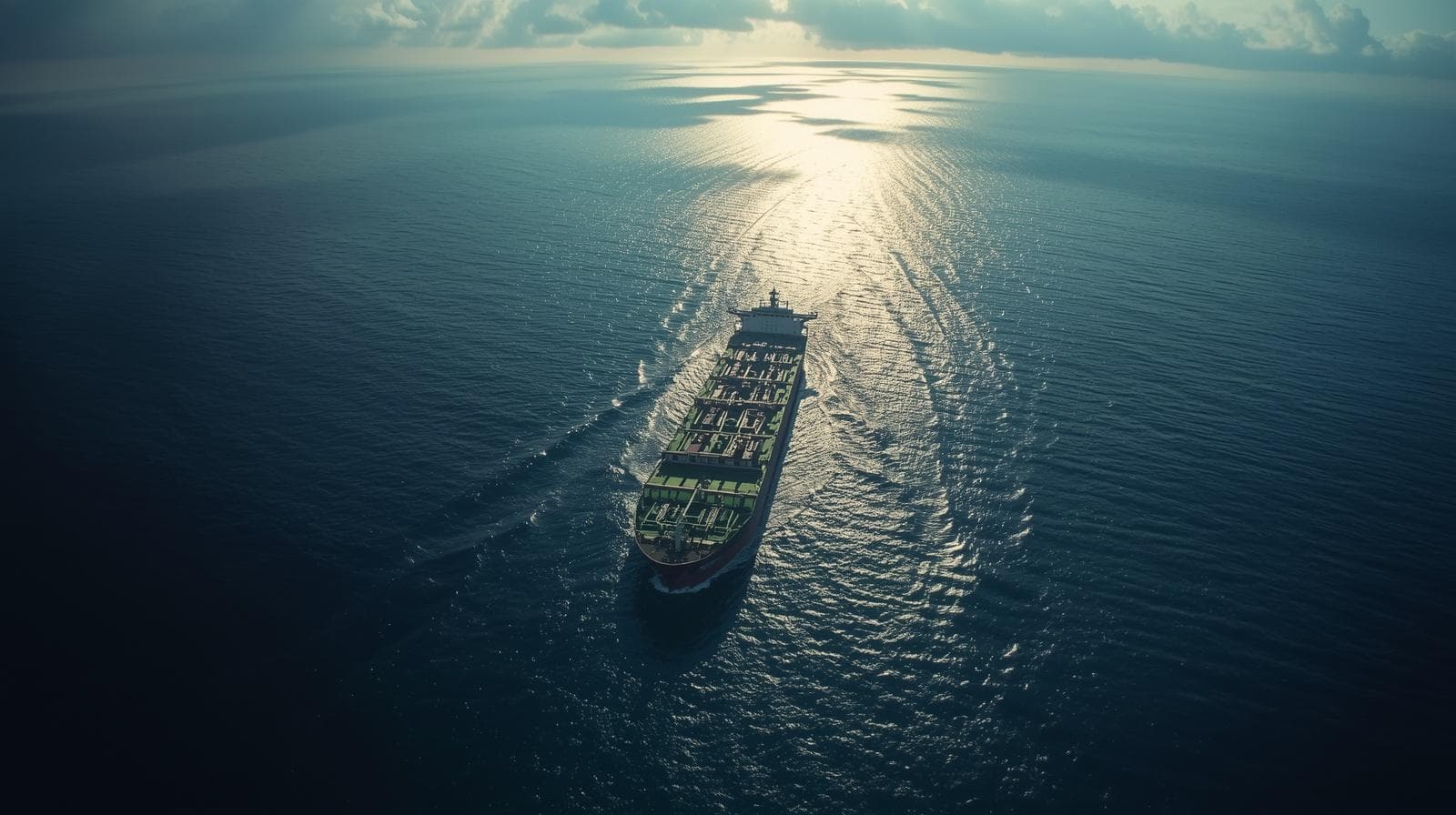
Strait of Hormuz transit allowed for 20 Pakistani-flagged ships after Iran approved phased vessel movement through the strategic waterway. Pakistan’s Foreign Minister Ishaq Dar confirmed that two ships per day would be permitted to cross the route under the agreement.
The decision comes amid continued tensions linked to the ongoing Iran conflict, which has disrupted maritime traffic across one of the world’s most important energy corridors. Islamabad described the move as a constructive development that could contribute to regional stability.
The agreement follows diplomatic engagement between Pakistan and Iran aimed at maintaining access to key shipping lanes. The limited passage arrangement signals cautious progress in restoring commercial transit through the region.
Strategic importance of Strait of Hormuz transit allowed decision
The Strait of Hormuz is a critical chokepoint for global oil and gas shipments, with roughly one fifth of global oil supply passing through the narrow channel linking the Persian Gulf to the Arabian Sea.
Disruptions to shipping in the region have increased market volatility and heightened concerns regarding supply security. Analysts note that reduced traffic levels have already affected freight costs and insurance premiums for vessels travelling through the Gulf.
The 2026 conflict has significantly reduced maritime movement, with ship traffic declining sharply after Iran warned vessels about transit risks following military escalation involving the United States and Israel.
Pakistan mediation efforts in Iran conflict discussions
Pakistan has positioned itself as a diplomatic intermediary between regional powers involved in the crisis. Officials have held discussions with multiple countries to encourage dialogue and prevent further escalation.
Reuters reported that talks hosted in Islamabad involving Turkey, Egypt, and Saudi Arabia have focused on proposals to ensure safe passage through the Strait of Hormuz.
Pakistan’s foreign ministry described Iran’s decision as a positive signal that dialogue may help reduce tensions affecting maritime trade routes.
Meanwhile, Iran has indicated that vessels from countries considered non-hostile may continue transit through the corridor under specific conditions.
Impact on global trade and energy markets
Shipping disruptions in the Strait of Hormuz can affect oil prices, supply chains, and inflation levels across multiple economies. The route plays a central role in transporting crude oil and liquefied natural gas from Gulf producers to Asian markets.
Energy analysts suggest that even partial reopening of shipping routes may help stabilise global markets if security conditions improve.
However, maritime risks remain elevated as insurers continue to classify the region as high risk due to geopolitical uncertainty.
Limited transit approvals therefore represent cautious steps rather than a full restoration of normal shipping operations.
Wider geopolitical context of Strait of Hormuz transit allowed
The conflict has expanded beyond bilateral tensions, involving multiple regional actors and affecting international trade routes. Several countries have sought exemptions to move energy cargo through the strait amid ongoing hostilities.
Recent reports indicate that some vessels have navigated alternative Iranian-designated channels near Larak Island as part of temporary transit arrangements.
Diplomatic observers say such measures may help prevent further disruption to global energy flows while negotiations continue.
Ongoing developments in maritime security situation
The gradual resumption of limited shipping activity suggests cautious adaptation by global logistics networks. Governments and shipping companies continue to monitor the evolving situation closely.
Energy-importing countries remain particularly attentive to developments affecting the Strait of Hormuz due to its importance for fuel supply continuity.
Future decisions regarding maritime access are likely to depend on diplomatic progress and broader geopolitical developments linked to the ongoing Iran conflict.
Topics
Covering startup news, AI, technology, and business at ThePrimely. Delivering accurate, in-depth reporting on the stories that shape the future.