
Sri Lanka Fuel Prices Surge as Iran War Disrupts Oil Supply
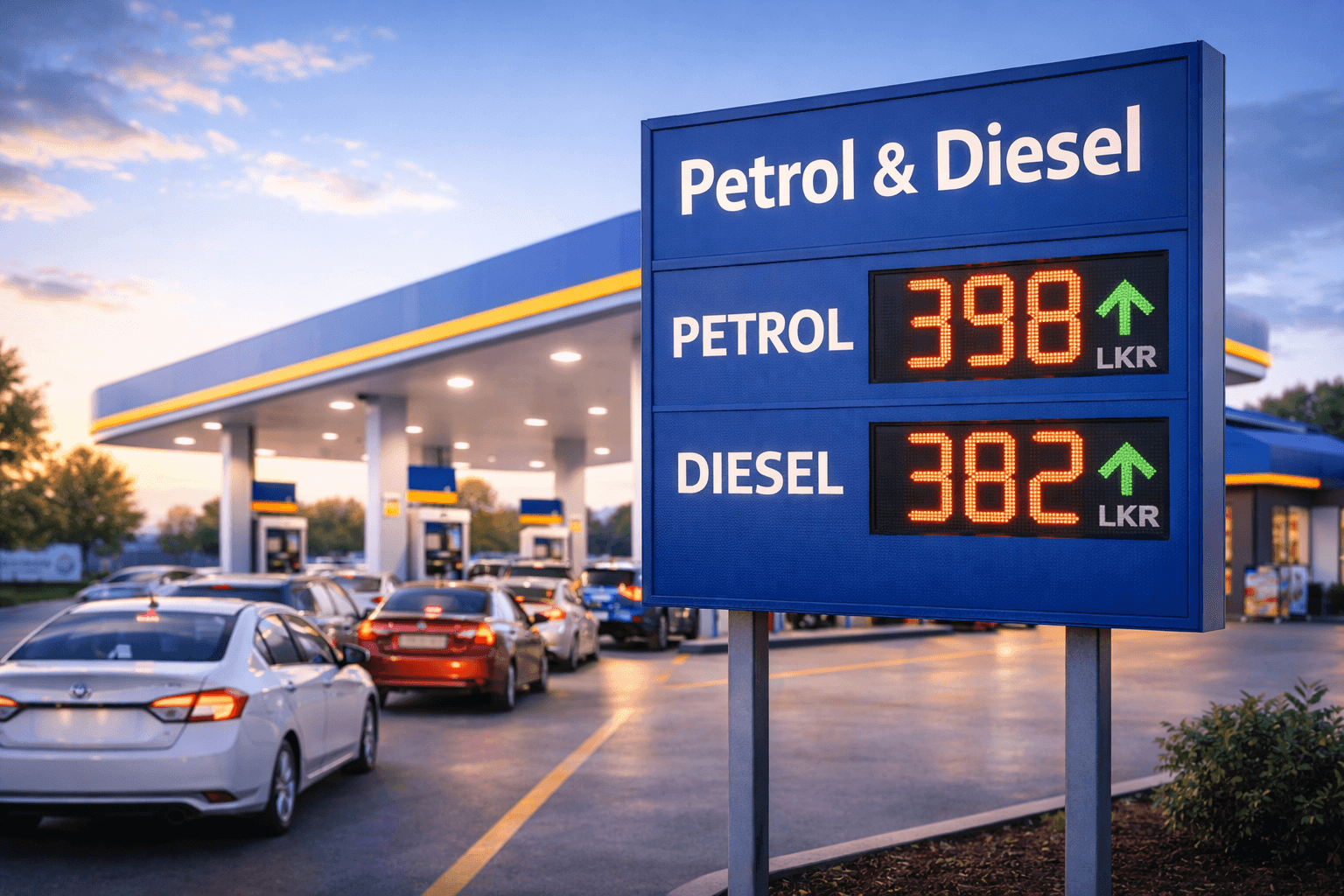
Fuel prices in Sri Lanka have risen sharply as the global energy shock triggered by the Iran war continues to spread across Asia.
Authorities increased petrol and diesel prices by about 25%, marking the second major hike within a week as supply concerns deepen.
The price rise reflects the growing pressure on import-dependent economies as disruptions in the Middle East affect the movement of crude oil through key shipping routes.
Sri Lanka, still recovering from a severe economic crisis in recent years, now faces renewed pressure from rising energy costs.
A Global Conflict With Local Consequences
The Strait of Hormuz plays a central role in global oil supply. Around one fifth of the world’s oil normally passes through this narrow waterway connecting the Persian Gulf to international markets.
Recent conflict in the region has reduced shipping activity and increased insurance costs for tankers. This has tightened supply and pushed global crude prices higher.
As a result, countries that rely heavily on imported fuel are experiencing immediate price increases.
Sri Lanka imports nearly all of its petroleum needs, making it particularly vulnerable to global supply shocks.
Analysts warn that continued instability in the Middle East could sustain upward pressure on fuel prices across Asia.
Second Price Increase Within Days
The latest increase comes shortly after an earlier price revision, highlighting the speed at which global developments are affecting domestic markets.
Petrol prices rose significantly, while diesel widely used in public transport and logistics also recorded a steep increase.
Officials say the measure aims to manage fuel demand and reduce the financial burden on state energy providers.
Higher prices often act as a mechanism to limit consumption during supply shortages.
Authorities expect the price increase to reduce fuel demand by up to 20% as the country attempts to preserve available reserves.
Economic Pressure Returns After Recent Crisis
Sri Lanka’s economy has only recently begun recovering from the financial crisis that led to severe shortages of fuel, food and foreign currency.
The country experienced long queues at petrol stations during the earlier crisis period, with shortages affecting transport, agriculture and industry.
Renewed increases in fuel costs raise concerns about inflation and cost of living pressures.
Energy imports form a significant share of Sri Lanka’s expenditure in foreign currency, making price shocks particularly difficult to manage.
Recent global developments have forced policymakers to again prioritise fuel management and consumption control.
Wider Impact Across Asia
Sri Lanka is not alone in facing rising fuel costs.
Several Asian economies have introduced emergency measures to conserve fuel as global oil prices react to geopolitical risks.
Some countries have encouraged remote work, reduced public transport services and introduced rationing systems to manage limited supplies.
The International Energy Agency has described the current disruption as one of the most serious global energy security challenges in decades.
Asia depends heavily on oil shipments from the Gulf region, making the region especially sensitive to disruptions in maritime trade routes.
Inflation Risks Grow as Energy Costs Rise
Higher fuel prices often affect multiple sectors of the economy.
Transport costs typically rise first, followed by increases in food prices and manufacturing expenses.
Businesses that depend on fuel for logistics or production may face higher operating costs.
Consumers often experience these changes through higher prices for goods and services.
Economists warn that prolonged energy disruptions can slow economic recovery in developing markets.
Uncertainty Remains Over Future Supply
Energy markets remain volatile as geopolitical tensions continue.
Even small disruptions in shipping routes can cause sudden price movements due to uncertainty about supply availability.
Analysts say the situation remains highly dependent on developments in the Middle East conflict.
If tensions ease, prices could stabilise. However, further escalation could lead to additional increases.
Governments across Asia continue to monitor supply chains closely and explore alternative sourcing strategies.
A Reminder of Global Energy Dependence
The latest Sri Lanka fuel price increase highlights how interconnected global energy markets have become.
Events in one region can quickly affect fuel availability and prices in distant economies.
For countries heavily dependent on imported oil, supply security remains a major economic concern.
As the conflict continues, energy stability is likely to remain a key focus for policymakers worldwide.
The Sri Lanka fuel prices surge reflects a broader global challenge as markets respond to geopolitical uncertainty and shifting energy dynamics.
Topics
Covering startup news, AI, technology, and business at ThePrimely. Delivering accurate, in-depth reporting on the stories that shape the future.