
End of an Era: Sony Ends Blu-ray Recorders as Streaming Takes Over How We Watch Content
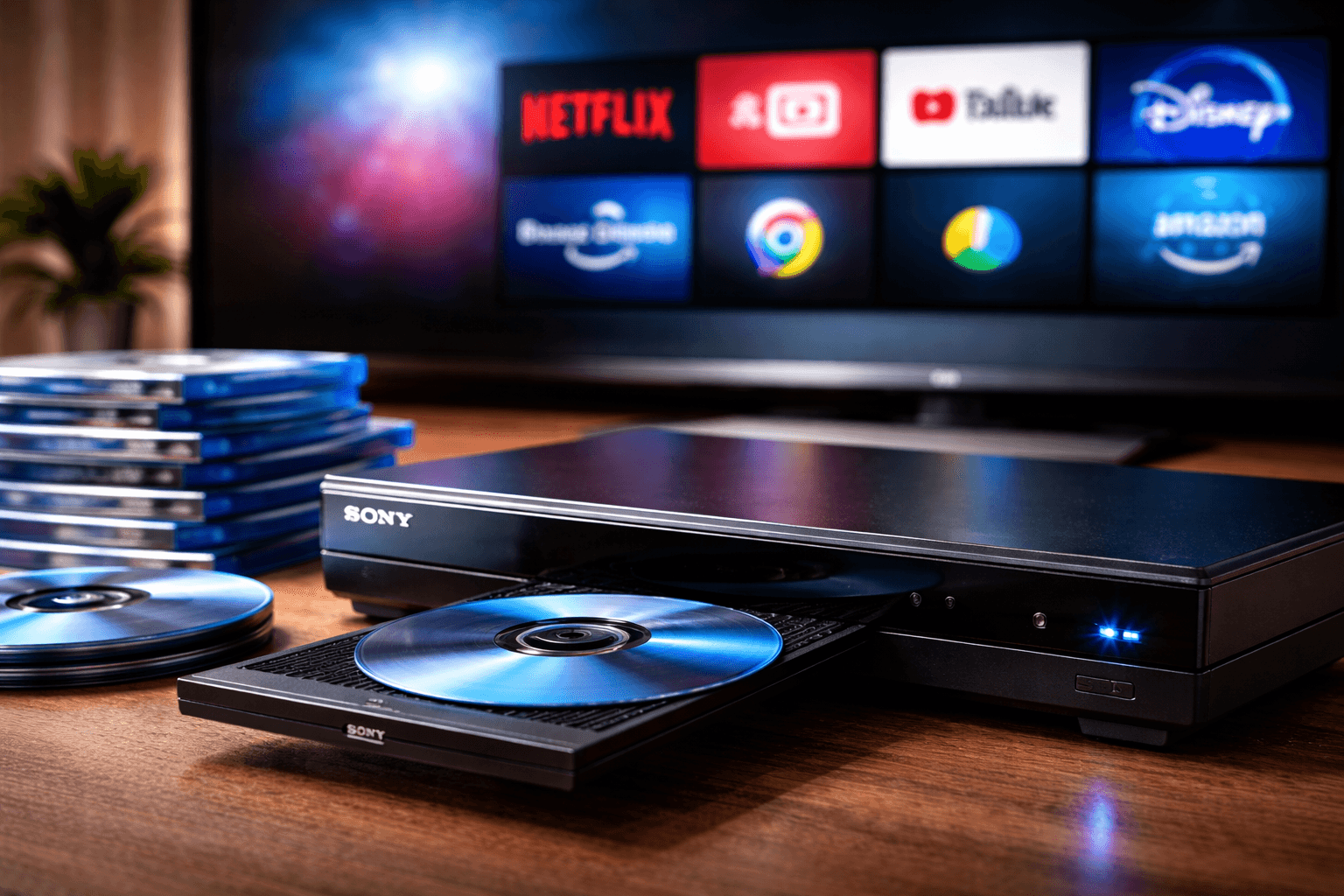
Sony’s formal announcement that it will stop shipping Blu-ray disc recorders by February 2026 signals a major shift in consumer media hardware. The company’s decision reflects steep declines in demand and the rise of streaming platforms. Sony Blu-ray recorder discontinuation now highlights how physical media segments continue to contract globally.
What’s Happening: A Clear Shift
Sony has confirmed that after February 2026, it will end shipments of all Blu-ray disc recorder models and will not launch successor products. This move follows earlier decisions to cease manufacturing recordable Blu-ray discs and other optical storage formats.
Importantly, this decision applies specifically to recorders, devices that allow users to capture content on Blu-ray media. Sony will continue to produce regular Blu-ray players for movie and video playback for the time being, though that too may evolve with market changes.
Background: From Market Leader to Strategic Exit
Blu-ray technology emerged in the mid-2000s as a successor to DVD, delivering higher definition and greater storage capacity. Sony was instrumental in its rise, having helped it win the format war against HD DVD in the late 2000s.
In earlier years, Blu-ray recorders and recordable media were popular in markets like Japan, where users archived broadcast content and home videos. Sony launched the world’s first Blu-ray recorder in 2003.
However, the landscape began shifting dramatically in the 2010s:
- Streaming services began offering high-quality video on demand.
- Hard drives and digital storage grew cheaper and larger.
- Sony phased out Blu-ray disc manufacturing in 2025, alongside MiniDiscs and other optical media.
Key Developments Leading to Discontinuation
Sony’s exit from the Blu-ray recorder business did not occur in isolation:
- The company cut 40% of its optical media staff as demand waned.
- Competitors such as Samsung, LG, and Oppo exited Blu-ray hardware markets in preceding years.
- Third-party manufacturers like Reavon also discontinued UHD Blu-ray players due to parts shortages and low sales.
These trends underscore a broad contraction in physical media demand.
Industry Impact
Sony’s decision carries several implications:
1. Shrinking Optical Media Sector
Blu-ray recorders were already niche products. Their phase-out underscores the shrinking market for optical media hardware.
2. Retail Dynamics
Retailers and consumers eager to buy remaining recorders may find limited stock in 2026, potentially boosting aftermarket demand briefly.
3. Content Consumption Behavior
Streaming convenience continues to reshape how audiences access and store video content. This trend is key to the decline of physical media recording formats.
Strategic Implications
For technology companies, Sony’s move illustrates several strategic realities:
- Prioritizing growth segments: Streaming and digital ecosystems now dominate consumer time and spending.
- Reallocating resources: Firms are shifting away from declining hardware segments to software and services.
- Niche markets versus mass demand: Blu-ray hardware survives only where demand remains strong enough to justify production.
What’s Next: Future Outlook
Here’s a forward look:
- Blu-ray playback remains available: Sony and other manufacturers will still offer players, though future innovations are uncertain.
- Physical media will persist longer in niche communities, particularly where archival quality matters.
Streaming dominance will grow: As streaming infrastructure improves, physical formats will continue to lose relevance.
Topics
Covering startup news, AI, technology, and business at ThePrimely. Delivering accurate, in-depth reporting on the stories that shape the future.