
Vision Pro Speculation Brings Apple’s AI Future Into Spotlight
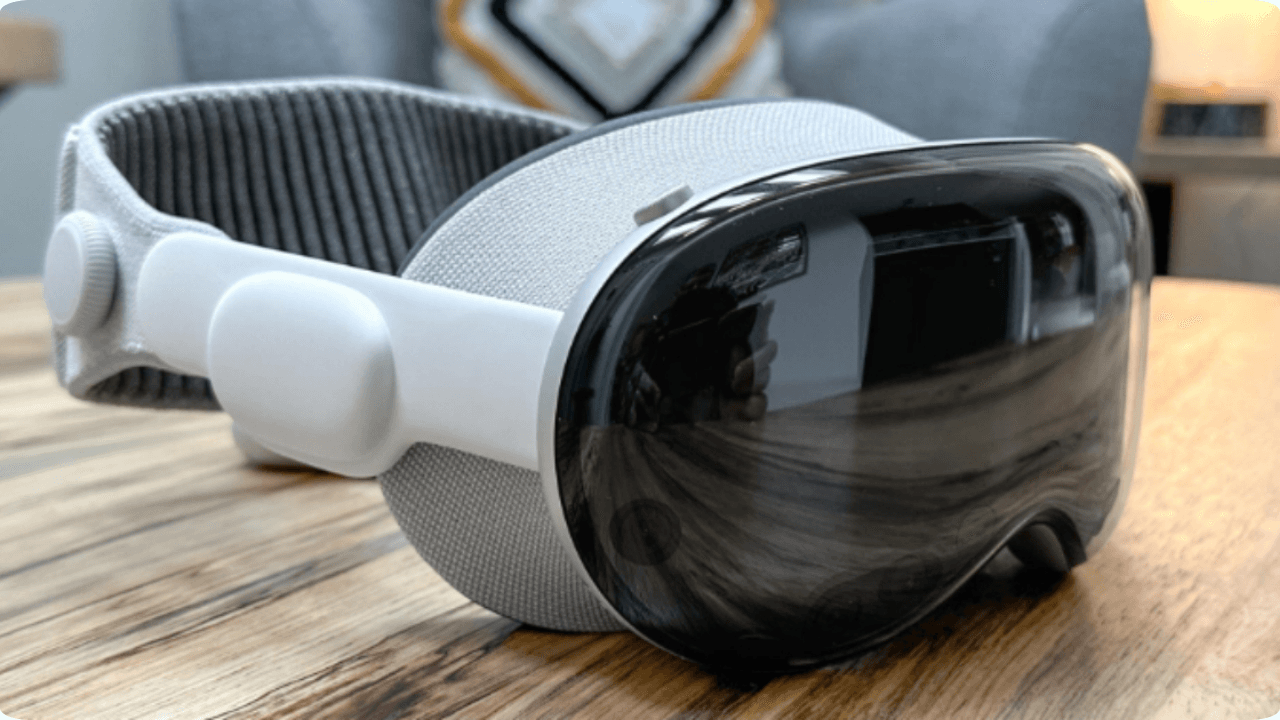
Apple Vision Pro rumours are reigniting debate about the company’s long-term strategy, particularly its shift toward artificial intelligence and practical real-world applications.
While the Vision Pro was introduced as a breakthrough spatial computing device, recent discussions suggest Apple is rethinking its broader vision.
The focus is increasingly moving from immersive headsets to AI-powered ecosystems that integrate seamlessly into everyday life.
This signals a transition from experimental hardware to more scalable and accessible technologies.
The Apple Vision Pro itself remains a technically advanced device designed to blend digital and physical environments through mixed reality.
It enables interaction using eye tracking, gestures, and voice commands, positioning it as a “spatial computer” rather than a traditional headset.
However, its current form is widely seen as a stepping stone toward lighter, more practical wearable devices.
This evolving perception is shaping how analysts interpret the company’s next moves.
Shift Toward AI and Real-World Use
The Apple Vision Pro rumours highlight a growing emphasis on artificial intelligence as the core of future innovation.
Instead of focusing solely on immersive experiences, Apple is exploring how AI can enhance real-world use cases.
These include applications in healthcare, productivity, and smart environments where AI can provide contextual assistance.
This approach reflects a broader industry trend toward making AI more practical and integrated into daily life.
Experts suggest that the future of Apple’s ecosystem may rely more on intelligent systems than bulky hardware.
AI could enable devices to anticipate user needs, automate tasks, and deliver personalized experiences.
This shift would make technology less intrusive and more intuitive.
It also aligns with Apple’s focus on user-friendly design and seamless integration.
From Headsets to Smart Glasses
One of the strongest signals emerging from Apple Vision Pro rumours is a potential pivot toward smart glasses.
Reports indicate that Apple is reallocating resources to develop lighter, AI-powered wearable devices.
These glasses are expected to rely heavily on voice interaction, sensors, and real-time data processing.
Unlike the Vision Pro, they may prioritize everyday usability over immersive experiences.
Industry insights suggest that such devices could debut within the next few years as part of Apple’s AI strategy.
They would represent a more practical evolution of spatial computing technology.
This shift also reflects challenges faced by high-end headsets, including cost, weight, and limited mainstream adoption.
As a result, Apple appears to be recalibrating its approach to wearable technology.
Industry Impact and Market Context
The Apple Vision Pro rumours are not occurring in isolation but within a broader competitive landscape.
Companies like Meta and others are also investing heavily in AI-driven wearables and smart devices.
This has intensified the race to define the next generation of personal technology.
Apple’s strategy will likely influence how the industry evolves in the coming years.
At the same time, the mixed reception of current VR and AR devices highlights the need for more practical solutions.
Consumers are increasingly looking for technology that adds value to everyday tasks rather than novelty experiences.
This shift in demand is pushing companies to rethink product design and functionality.
Apple’s rumored pivot reflects this changing market dynamic.
Strategic Implications
The Apple Vision Pro rumours suggest a deeper transformation in how Apple approaches innovation.
Instead of focusing on standalone devices, the company appears to be building an AI-first ecosystem.
This strategy could redefine how users interact with technology across multiple platforms.
It also positions Apple to compete more effectively in the rapidly evolving AI landscape.
The move toward smart glasses and AI integration indicates a long-term vision centered on accessibility and usability.
By reducing hardware complexity and enhancing software intelligence, Apple could reach a wider audience.
This approach may also lower barriers to adoption and accelerate mainstream acceptance.
Ultimately, it reflects a shift from futuristic concepts to practical implementation.
Topics
Covering startup news, AI, technology, and business at ThePrimely. Delivering accurate, in-depth reporting on the stories that shape the future.