
Parliament Budget Session 2026: Key Debates and Political Developments
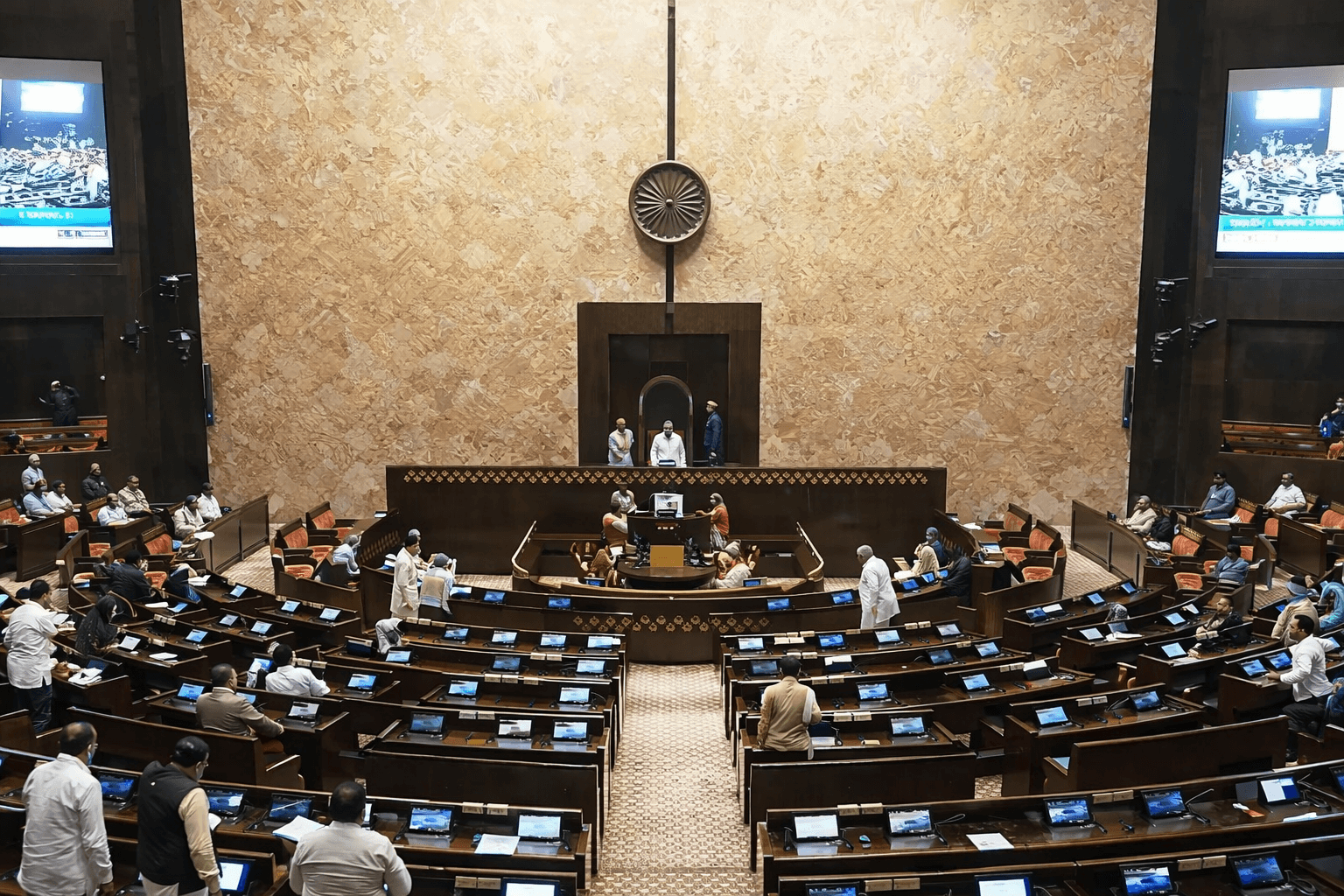
India’s Parliament Budget Session 2026 entered a crucial phase on March 16, with both the Lok Sabha and Rajya Sabha witnessing intense legislative discussions and political exchanges.
The session includes debates on government spending proposals, political protests over institutional decisions, and the ongoing Rajya Sabha election process across several states.
The developments highlight the broader policy priorities and political tensions shaping India’s legislative landscape.
Lok Sabha Proceedings: Focus on Ministry Grants
The Lok Sabha continued its scheduled legislative work, including discussions on financial allocations for key ministries.
Members debated the demands for grants for the Ministry of Railways and the Ministry of Agriculture and Farmers’ Welfare for the financial year 2026-27. During these debates, MPs questioned government policies and spending priorities related to infrastructure development and rural growth.
Question Hour also took place during the session, allowing lawmakers to raise queries about government decisions and administrative actions.
The proceedings were chaired by Lok Sabha Speaker Om Birla as members participated in detailed discussions on budget allocations.
Rajya Sabha Debates on Supplementary Grants
In the Rajya Sabha, lawmakers discussed the supplementary demands for grants related to the financial year 2025-26.
Finance Minister Nirmala Sitharaman presented the proposal after it had already been approved by the Lok Sabha. The debate began with opposition members raising questions about economic priorities and fiscal management.
The discussion forms part of the broader parliamentary process through which government expenditure proposals are examined and approved.
Opposition Raises Concerns Over Election Commission
Political tensions surfaced in the Rajya Sabha when members of the opposition raised concerns regarding decisions taken by the Election Commission of India.
Leaders from the Trinamool Congress protested the issue and staged a walkout from the upper house. The protest highlighted the continuing political disagreement over institutional decisions affecting elections and governance.
Separately, members from the opposition alliance had earlier submitted notices seeking the removal of Chief Election Commissioner Gyanesh Kumar, reflecting escalating political disputes surrounding election administration.
Rajya Sabha Elections Add Political Intensity
The parliamentary session is unfolding alongside the 2026 Rajya Sabha elections, which are being held to fill several vacancies in the upper house.
On March 16, 2026, voting was scheduled for 37 Rajya Sabha seats across 10 states as part of the regular electoral cycle of the chamber.
Members of state legislative assemblies vote to elect Rajya Sabha MPs using proportional representation through a single transferable vote system.
The simultaneous election process has added political intensity to the ongoing parliamentary session.
Legislative Schedule and Parliamentary Calendar
The Budget Session is currently in its second phase.
Parliamentary authorities announced that the Houses will take a short break on March 19 and March 20, with the schedule adjusted to compensate for lost working days.
As a result, Parliament will hold additional sittings on Saturday, March 28, and Sunday, March 29 to complete pending legislative business.
These adjustments demonstrate the government’s effort to maintain legislative momentum during the budget cycle.
Strategic Implications for Policy and Governance
The Parliament Budget Session 2026 plays a critical role in shaping fiscal policy and legislative priorities.
Through debates on ministry grants, supplementary expenditures, and institutional oversight, lawmakers evaluate government performance and policy direction.
At the same time, political protests and election-related tensions underline the competitive nature of India’s parliamentary democracy.
The outcome of these discussions will influence policy implementation, budget allocation, and broader political dynamics in the coming months.
Topics
Covering startup news, AI, technology, and business at ThePrimely. Delivering accurate, in-depth reporting on the stories that shape the future.