
How Mojtaba Khamenei’s Teenage War Network Helped Him Rise to Iran’s Supreme Leader
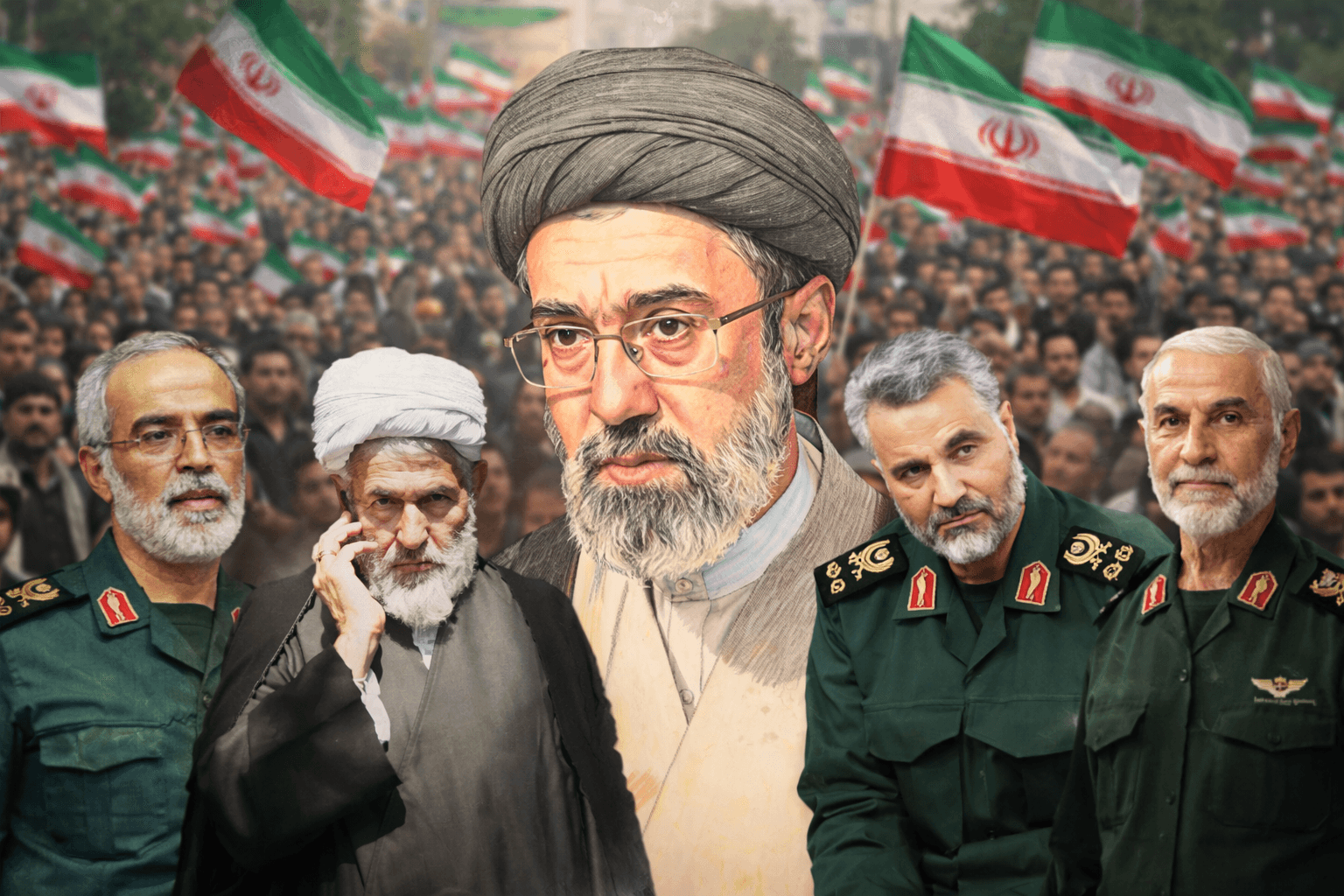
From Teenage Soldier to Iran’s Supreme Leader
The rise of Mojtaba Khamenei to the top of Iran’s political system did not begin in clerical schools or government offices. It started decades earlier on the battlefield during the Iran Iraq war.
As a teenager, Mojtaba joined a combat unit linked to Iran’s powerful security establishment. Those early experiences helped him build connections that would later shape the structure of power inside the Islamic Republic.
Today, those networks are widely seen as a major factor behind his ascent to the position of Iran’s supreme leader, one of the most powerful political and religious roles in the Middle East.
Early War Experience That Built Political Networks
During the late stages of the Iran Iraq war in the 1980s, Mojtaba Khamenei served in the Habib ibn Mazahir Battalion, part of the 27th Mohammad Rasulullah Division linked to the Islamic Revolutionary Guard Corps.
The battalion was named after a historical companion of Imam Hussein who died during the Battle of Karbala, a symbol deeply rooted in Shia Islamic identity.
At the time, Mojtaba was still a teenager. Yet this period placed him directly inside the ecosystem of fighters, commanders, and ideological networks connected to the Revolutionary Guard.
Analysts say these wartime relationships later evolved into powerful alliances within Iran’s security and political institutions.
A Quiet Figure Who Gained Influence Behind the Scenes
Unlike many Iranian political figures, Mojtaba Khamenei remained largely out of public view for most of his career.
He never held major elected office. Instead, he operated inside the office of his father, Ayatollah Ali Khamenei, who ruled Iran for more than three decades.
Observers often described him as a gatekeeper who coordinated relationships between clerical leaders, military commanders, and intelligence officials.
Over time, his influence expanded through ties with the Islamic Revolutionary Guard Corps and the Basij paramilitary network.
These relationships gradually positioned him as one of the most powerful figures in Iran’s internal power structure.
Leadership Transition After a Major Crisis
Iran entered a period of intense instability in early 2026 when Ali Khamenei was killed during military strikes amid the escalating Iran war.
Within days, Iran’s Assembly of Experts moved to select a new leader.
The body eventually announced Mojtaba Khamenei as the third supreme leader of the Islamic Republic, marking the first time the role effectively passed within the same family.
His appointment triggered debate among analysts because the Islamic Republic was originally founded on principles that rejected hereditary rule.
Despite the controversy, powerful security institutions and conservative political factions rallied behind him.
Power Built Through Military and Clerical Alliances
Mojtaba Khamenei’s authority today rests on a complex network of alliances.
His relationships with senior figures inside the Revolutionary Guard and Basij militia have helped consolidate his political influence.
Experts say this combination of religious legitimacy and security backing plays a critical role in maintaining control within Iran’s political system.
The position of supreme leader holds ultimate authority over the military, judiciary, and key political decisions, making it the central pillar of Iran’s governance.
Why His Rise Matters for Global Politics
The leadership transition comes during one of the most volatile periods in the Middle East.
Iran faces economic pressure, internal political tensions, and ongoing conflict across the region. Analysts say Mojtaba Khamenei’s leadership could shape how the country responds to global pressure, regional wars, and diplomatic negotiations.
His close ties to Iran’s security institutions suggest that the country’s current strategic direction is likely to continue.
For many observers, the story of Mojtaba Khamenei’s rise reflects how deeply the Iranian political system is intertwined with wartime experiences, ideological networks, and long built alliances.
Topics
Covering startup news, AI, technology, and business at ThePrimely. Delivering accurate, in-depth reporting on the stories that shape the future.