
Parliament Budget Session 2026 Highlights: Key Developments from March 23
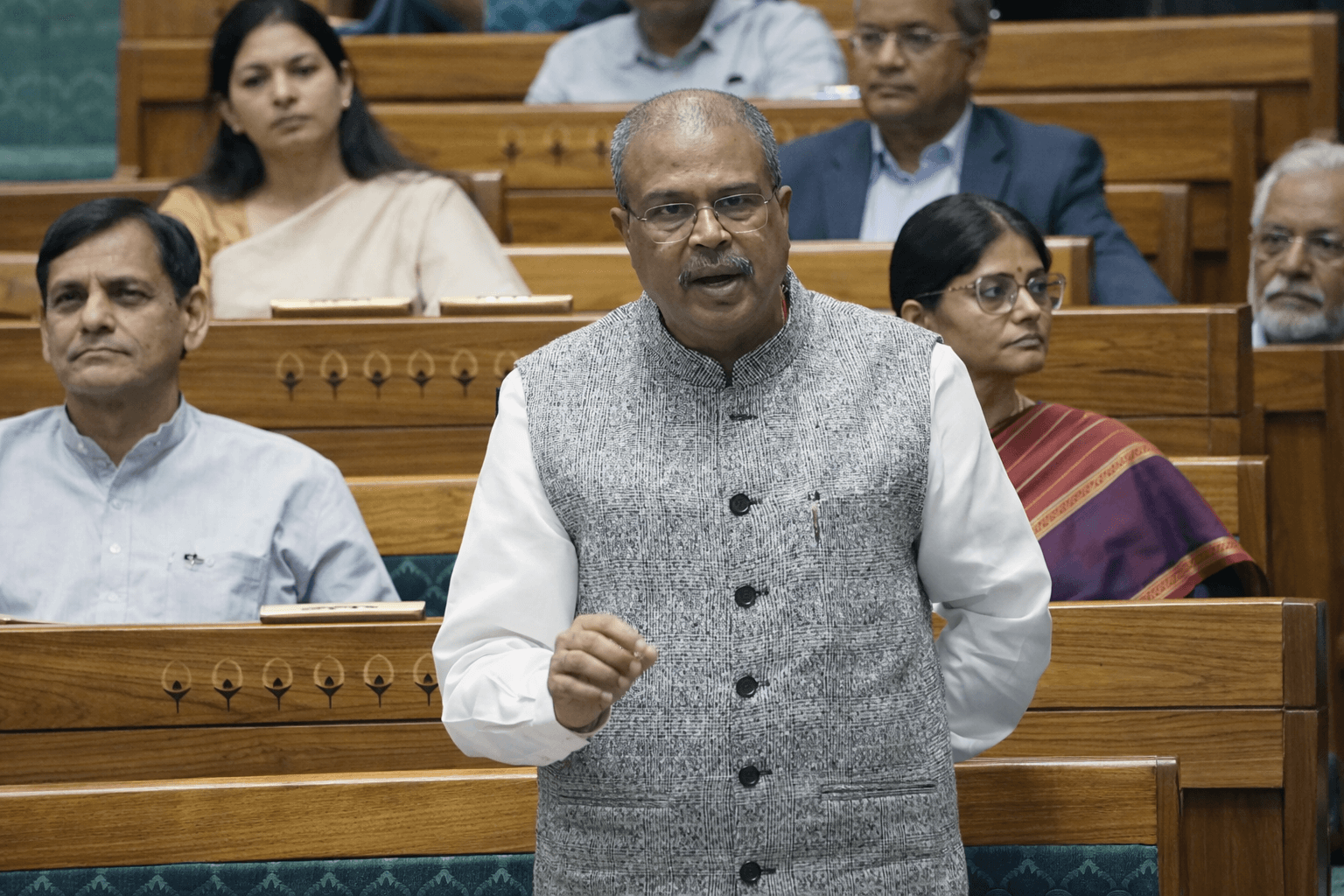
India’s Parliament resumed its Budget Session on March 23, 2026, with both the Lok Sabha and Rajya Sabha witnessing a mix of legislative activity, policy discussions, and political exchanges. The session reflects the government’s push to advance key financial and legal reforms, alongside opposition scrutiny on critical national issues.
The Parliament Budget Session 2026 highlights underline how legislative priorities and political narratives are shaping the current phase of governance.
Session Resumes with Key Legislative Agenda
The second phase of the Budget Session began with proceedings in both Houses starting at 11 a.m. The Lok Sabha took up scheduled business, including discussions on major financial proposals and legislative measures.
Union Finance Minister Nirmala Sitharaman moved the Finance Bill 2026 for consideration, which aims to implement the government’s fiscal proposals for the financial year 2026–27.
Alongside this, the Corporate Laws (Amendment) Bill was introduced, focusing on regulatory updates to the Companies Act and Limited Liability Partnership framework.
These bills form a central part of the government’s economic and corporate reform agenda.
Prime Minister’s Address on Global Developments
A key highlight of the day was the scheduled address by Prime Minister Narendra Modi in the Lok Sabha. He was expected to speak on the ongoing West Asia conflict and its implications for India.
This discussion reflects the increasing importance of global geopolitical developments in domestic parliamentary discourse. Issues such as energy security, trade routes, and regional stability are now directly influencing policy debates in Parliament.
Debates and Opposition Concerns
The session also saw active participation from opposition members, who raised concerns on multiple issues.
Debate continued around the proposed transgender rights legislation, with opposition leaders and activists demanding revisions, arguing that the bill could dilute existing protections.
In addition, discussions touched on earlier concerns such as LPG supply stability and economic challenges, indicating that the session remains politically charged.
Such exchanges highlight the role of Parliament as a platform for both policymaking and accountability.
Key Activity in Rajya Sabha
In the Rajya Sabha, legislative activity focused on introducing and discussing key bills. Reports indicate that significant proposals related to central armed police forces and administrative reforms were scheduled for consideration.
Members also used the platform to raise public interest issues, reflecting the Upper House’s role in detailed legislative scrutiny.
International Engagement and Diplomatic Presence
The session also featured the presence of an international delegation from Sri Lanka, signaling ongoing diplomatic engagement alongside domestic legislative work.
Such interactions underline Parliament’s role not only in governance but also in international outreach and cooperation.
Broader Legislative Context
The Budget Session is one of the most important parliamentary periods in India’s legislative calendar. It primarily focuses on financial approvals, policy direction, and economic planning for the upcoming fiscal year.
Earlier in the session, Parliament had already approved expenditure exceeding ₹53 lakh crore through the budget process, reflecting the scale of government spending and policy priorities.
The current phase is now focused on finalizing legislative measures and addressing pending issues.
Topics
Covering startup news, AI, technology, and business at ThePrimely. Delivering accurate, in-depth reporting on the stories that shape the future.