
OpenAI Superapp Plan: ChatGPT, Codex, Browser Merge
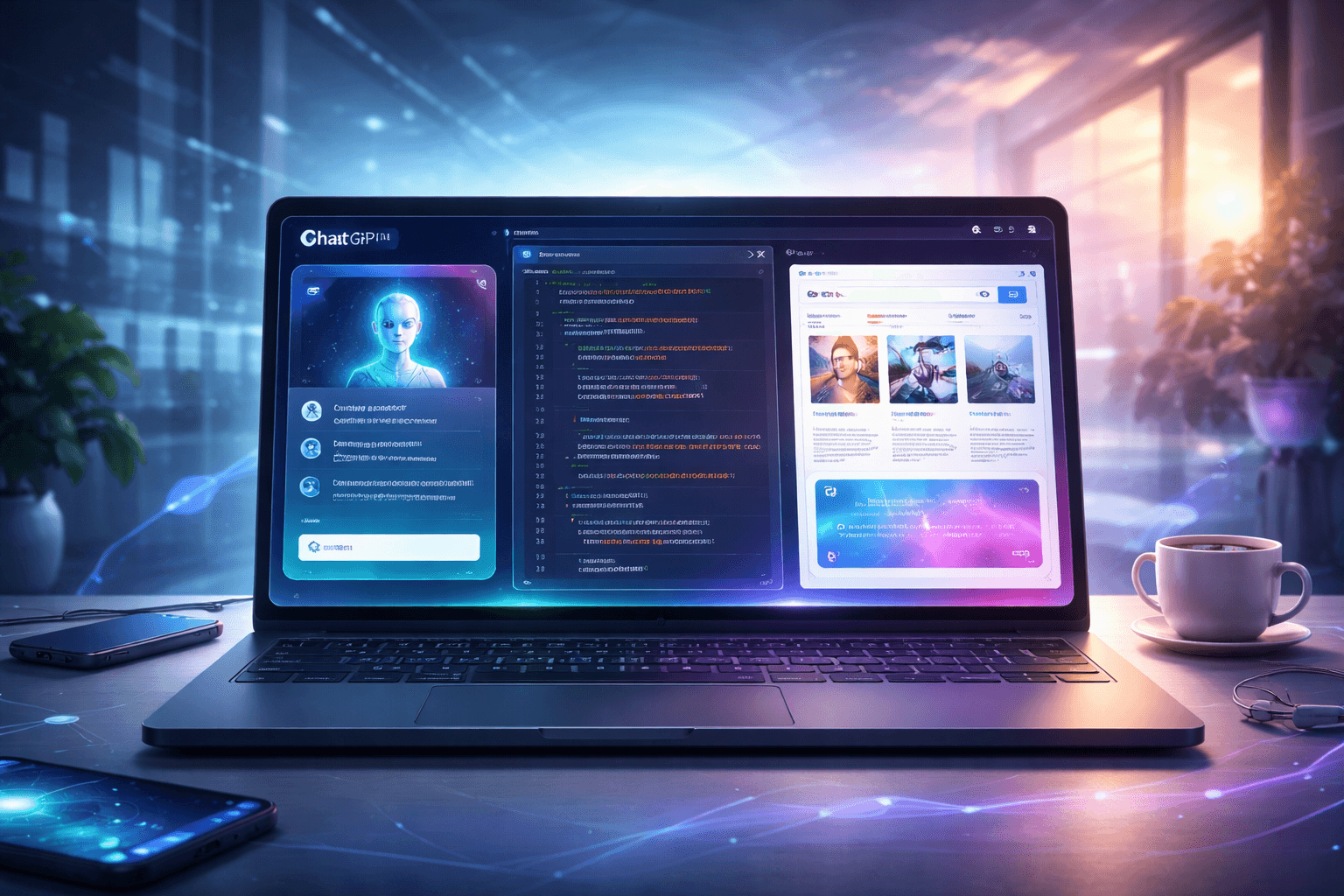
The idea of an OpenAI superapp signals a major shift in how software will be used. Instead of separate tools, users may soon interact with a single unified platform.
OpenAI is reportedly working on a desktop application that combines ChatGPT, Codex, and a web browser into one system.
This approach is not incremental. It reflects a structural change in how digital workflows are designed and executed.
What Is the OpenAI Superapp and Why It Matters
The OpenAI superapp aims to merge multiple functions into a single interface. Users could chat, code, browse, and execute tasks without switching applications.
This model mirrors the success of superapps in other markets. However, OpenAI is applying it to productivity and artificial intelligence.
The goal is clear. Reduce friction. Increase speed. Centralize intelligence.
If executed well, the platform could redefine how professionals interact with software daily.
From Tools to Integrated Ecosystems
AI tools have evolved rapidly. Yet, they remain fragmented.
ChatGPT handles conversations and research.
Codex assists developers with code generation.
Browsers manage web access and workflows.
Currently, users move between these tools. This creates inefficiencies.
The OpenAI superapp attempts to eliminate this fragmentation. It brings all capabilities into one environment.
This shift aligns with a broader industry trend toward platform consolidation.
What the Reports Reveal
Unified Desktop Application
Reports indicate that OpenAI is building a desktop first superapp.
This app would integrate chat, coding, and browsing into one seamless interface.
Users could ask questions, generate code, and test ideas in real time without leaving the platform.
Integration of Core Technologies
The integration of ChatGPT and Codex is central to the strategy.
ChatGPT would handle natural language tasks. Codex
would execute technical workflows.
Meanwhile, a built in browser would provide real time data access.
Focus on Productivity
The superapp is designed to improve productivity.
Instead of switching tabs, users can complete entire workflows in one place.
This includes research, coding, automation, and decision making.
A Direct Challenge to Existing Software Models
The OpenAI superapp could disrupt multiple industries simultaneously.
First, it challenges traditional browsers. A built in AI browser reduces reliance on standalone web tools.
Second, it impacts developer ecosystems. Codex integration may reduce dependence on separate coding environments.
Third, it affects enterprise software. Companies may prefer unified AI platforms over fragmented toolchains.
As a result, major technology players may need to rethink their strategies.
Platform Power and Ecosystem Control
The move reflects a deeper strategic intent.
OpenAI is not just building tools. It is building an ecosystem.
Control over the platform means control over user workflows. This creates long term competitive advantage.
Additionally, integration allows better data utilization. Each function strengthens the other.
This creates a compounding effect that standalone tools cannot match.
Toward an AI Native Computing Experience
The OpenAI superapp may represent the next phase of computing.
Instead of apps, users interact with intelligent systems that manage tasks end to end.
In the near term, adoption will depend on usability and reliability.
In the long term, the model could become standard.
Competitors may respond with similar integrated platforms. This will accelerate innovation across the industry.
A Defining Bet on Integration
The OpenAI superapp is a bold and calculated move. It addresses a real problem in modern workflows.
By combining chat, coding, and browsing, OpenAI is simplifying complexity.
The success of this strategy will depend on execution. However, the direction is clear.
Software is moving from isolated tools to integrated intelligence platforms.
This shift will shape the next decade of digital productivity.
Topics
Covering startup news, AI, technology, and business at ThePrimely. Delivering accurate, in-depth reporting on the stories that shape the future.