
Microsoft Copilot Restructure Signals Strategic Shift Toward Superintelligence
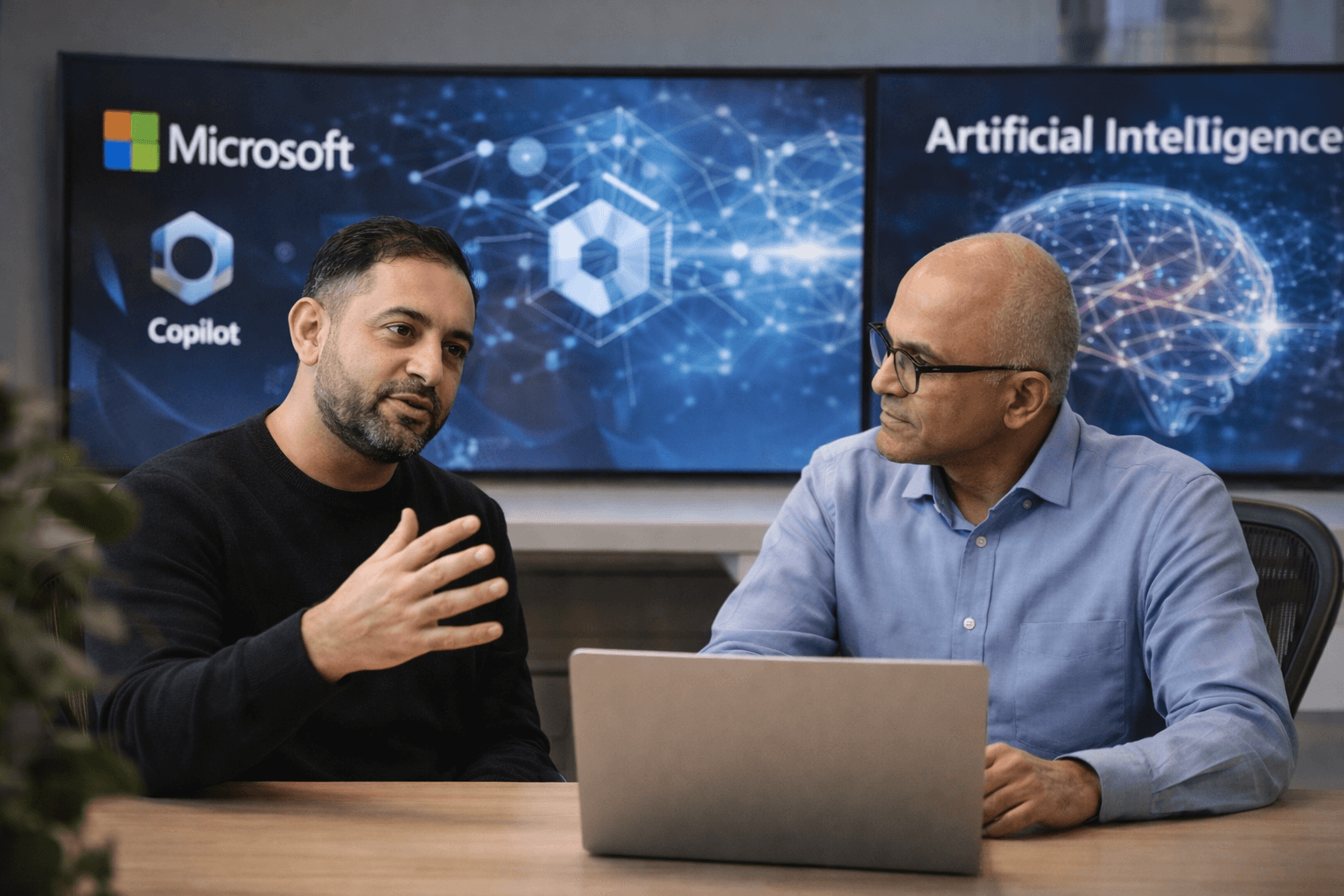
Microsoft is reorganizing its artificial intelligence structure in a move that reflects deeper strategic priorities. The Microsoft Copilot restructure is not just about improving a product. It signals a broader shift toward building advanced AI systems that can define the company’s long-term position in the industry.
The decision comes at a time when competition in AI is intensifying, with rivals pushing faster innovation and wider adoption.
Why Microsoft Is Restructuring Copilot
Microsoft has merged its consumer and enterprise Copilot teams into a unified structure. The goal is to simplify development and create a more consistent user experience across products.
Previously, separate teams handled different versions of Copilot, which led to fragmentation. This made it harder to scale features and maintain consistency. The new structure aims to remove these inefficiencies and accelerate adoption.
Jacob Andreou has been appointed to lead the unified Copilot division, reporting directly to CEO Satya Nadella. This centralization reflects the importance Microsoft is placing on AI as a core product layer.
A Shift Toward AI Model Development
A key outcome of the Microsoft Copilot restructure is the change in leadership focus. AI chief Mustafa Suleyman will step away from direct product oversight to concentrate on building advanced AI models.
This shift highlights a strategic belief that long-term value lies in the “model layer.” Microsoft aims to develop high-performance AI systems that power all its products, rather than relying heavily on external partners.
Suleyman has indicated that the next three to five years will focus on building efficient, enterprise-ready AI models capable of supporting complex tasks across Microsoft’s ecosystem.
The Push Toward Superintelligence
The restructuring aligns with Microsoft’s broader ambition to develop what it calls “superintelligence.” This refers to AI systems that can outperform humans in specific domains such as reasoning, coding, and data analysis.
Microsoft has already formed a dedicated superintelligence team, focusing on next-generation AI capabilities. These systems are expected to play a foundational role in future products and services.
By freeing leadership from day-to-day product management, the company is directing more resources toward long-term research and innovation.
Adoption Challenges Driving the Change
Despite heavy investment, Copilot has not achieved the same level of adoption as some competitors. Data indicates that Microsoft 365 Copilot has reached around 15 million users, which is relatively small compared to the broader user base of Microsoft’s productivity ecosystem.
On the consumer side, Copilot has also lagged behind platforms like ChatGPT and Google’s Gemini in daily active users.
These gaps highlight why Microsoft is restructuring. The company needs both stronger products and better integration to compete effectively.
Industry Competition and Strategic Pressure
The AI market is evolving rapidly, with competitors introducing more advanced and autonomous systems. Tools capable of handling complex workflows with minimal human input are gaining traction.
Microsoft’s response is twofold. It is improving Copilot’s usability while simultaneously investing in core AI capabilities. This dual strategy is designed to strengthen both short-term adoption and long-term competitiveness.
The company’s continued reliance on OpenAI also plays a role. By building its own models, Microsoft aims to reduce dependency and gain greater control over its AI ecosystem.
Topics
Covering startup news, AI, technology, and business at ThePrimely. Delivering accurate, in-depth reporting on the stories that shape the future.