
OpenAI ChatGPT Revamp Signals Strategic Shift in AI Development
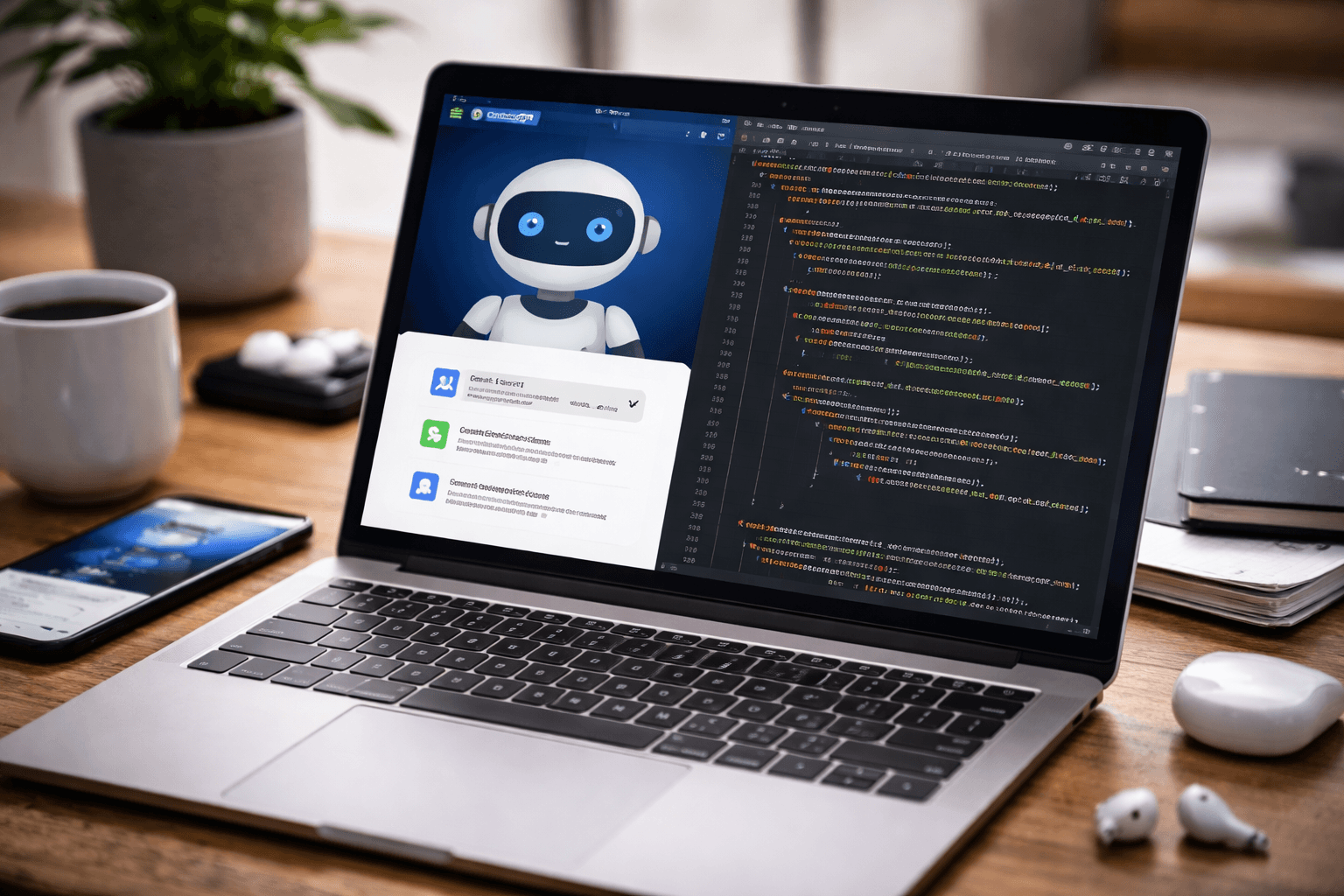
OpenAI is entering a new phase of its growth strategy. The company is restructuring ChatGPT while expanding its capabilities in software development through a targeted acquisition. This dual move reflects a broader shift toward deeper integration and stronger positioning in the competitive AI market.
The OpenAI ChatGPT revamp is not limited to interface improvements. It represents a structural change in how the company builds and delivers its AI products.
Why OpenAI Is Revamping ChatGPT
OpenAI has decided to consolidate its product ecosystem into a more unified experience. The company plans to combine ChatGPT, its Codex coding platform, and its AI-powered browser into a single desktop application.
This move aims to reduce fragmentation that has slowed development and affected product quality. Internal assessments showed that spreading efforts across multiple platforms made it harder to maintain consistency and efficiency.
By bringing these tools together, OpenAI is focusing on a streamlined user experience and more effective resource allocation.
The Push Toward a Unified AI Platform
The new strategy centers around creating what can be described as an AI “superapp.” This unified platform will integrate conversational AI, coding capabilities, and browsing functions into a single interface.
Codex is expected to play a central role in this transformation. It will act as the core engine for development-related tasks, enabling users to write, debug, and manage code directly within the ChatGPT environment.
This shift reflects a move away from isolated tools toward a fully integrated AI workflow.
OpenAI’s Python Strategy and Astral Acquisition
Alongside the ChatGPT revamp, OpenAI is acquiring Astral, a startup known for its widely used Python development tools. This acquisition is a strategic effort to strengthen OpenAI’s position in the developer ecosystem.
Astral’s tools are already used by millions of Python developers, making it a valuable addition to OpenAI’s capabilities.
The integration of these tools into Codex will allow OpenAI to move beyond basic code generation. The goal is to support the entire software development lifecycle, including planning, execution, and maintenance.
This represents a shift from feature-based AI tools to workflow-based systems.
Rising Competition Driving the Strategy
The timing of these changes is not accidental. OpenAI is facing increasing competition, particularly from companies like Anthropic, whose coding tools are gaining traction among developers.
To respond, OpenAI is focusing on depth rather than expansion. Instead of launching multiple standalone products, it is consolidating its efforts into a more cohesive and powerful platform.
The rapid growth of Codex highlights this opportunity. The platform has already reached over 2 million weekly active users, with usage increasing significantly in recent months.
This growth indicates strong demand for integrated AI development tools.
Strategic Implications for the AI Industry
The OpenAI ChatGPT revamp signals a broader trend in the AI industry. Companies are moving from experimentation to consolidation.
The focus is shifting toward:
- Unified platforms instead of fragmented tools
- Deeper integration with real-world workflows
- Stronger developer ecosystems
This approach allows companies to deliver more practical value while improving efficiency and scalability.
Topics
Covering startup news, AI, technology, and business at ThePrimely. Delivering accurate, in-depth reporting on the stories that shape the future.