
No Kings Protests: Why Are They Spreading Across the US and Europe Now?
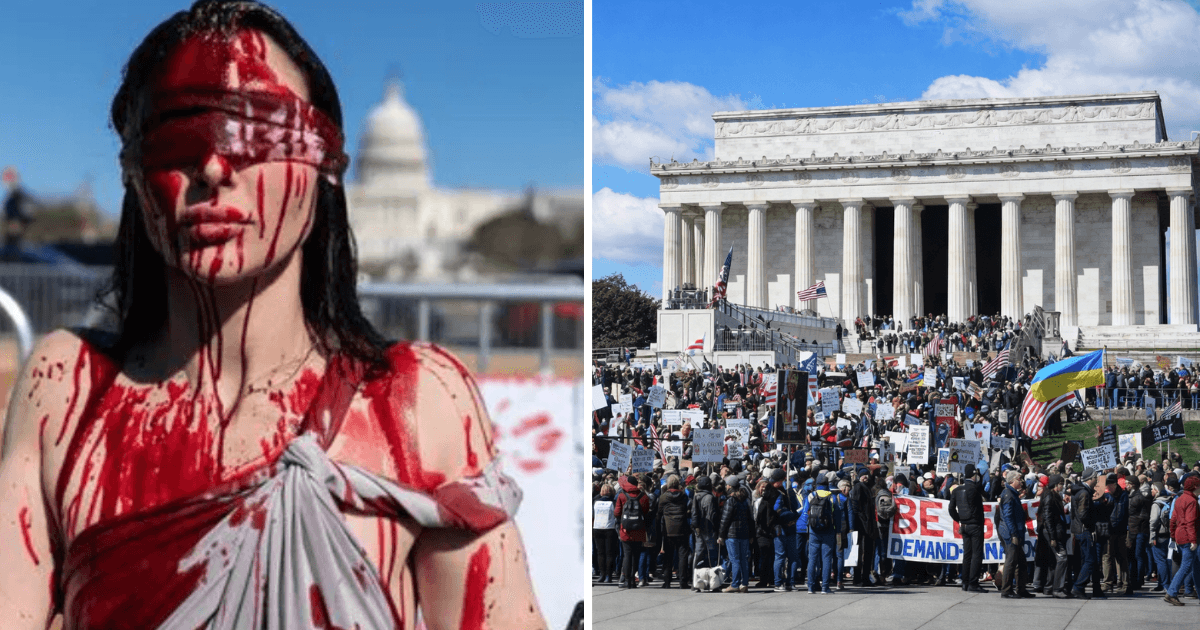
The scale and speed of the No Kings protests reveal a deeper shift in public sentiment. What began as scattered demonstrations has now turned into a coordinated wave across major cities in the United States and parts of Europe. The message is direct. Citizens are pushing back against what they see as concentrated political power.
The No Kings protests have quickly become a defining political moment. They reflect rising dissatisfaction with leadership decisions and broader governance concerns.
Understanding the Origin of the No Kings Protests
The phrase “No Kings” is symbolic. It reflects opposition to centralized authority and perceived authoritarian tendencies. The protests are largely directed at policies linked to Donald Trump and his administration.
Initially, demonstrations were triggered by policy decisions and geopolitical tensions. In particular, concerns over potential military escalation and foreign policy actions acted as catalysts. As a result, protests began to emerge in key US cities. Soon after, similar demonstrations appeared across parts of Europe.
Key Developments Across the United States
The protests have spread across multiple major urban centers. Cities such as New York, Los Angeles, and Chicago witnessed large gatherings. Protesters carried signs with strong political messaging, including the widely visible “No Kings” slogan.
Crowd sizes have been significant. Reports indicate thousands of participants in several locations. In many cases, demonstrations remained peaceful, although tensions occasionally rose.
Moreover, public figures have indirectly amplified the movement. During a live performance, Bruce Springsteen displayed messaging that aligned with the protest sentiment. This moment gained wide attention and reinforced the visibility of the movement.
Expansion Into Europe
The movement did not remain confined to the United States. Protests appeared in cities across Europe shortly after gaining momentum in America.
This expansion highlights the global nature of political discourse. European participants framed their protests as acts of solidarity. They also expressed concern about broader geopolitical stability. Consequently, the protests evolved from a national issue into an international narrative.
Political and Social Context
The protests are rooted in multiple layers of concern. First, there is anxiety over governance style. Many participants argue that democratic institutions must remain balanced and accountable.
Second, foreign policy decisions have intensified public scrutiny. Reports of potential conflict escalation have triggered fears among citizens.
In addition, economic uncertainty and social divisions have amplified dissatisfaction. These factors have combined to create a fertile environment for mass mobilization.
Impact on the Political Landscape
The No Kings protests carry significant political implications. They signal a shift in public engagement. Citizens are no longer passive observers. Instead, they are actively shaping political narratives.
For policymakers, this presents both a challenge and an opportunity. On one hand, sustained protests can pressure governments to adjust strategies. On the other hand, they can deepen polarization if not addressed carefully.
Furthermore, the protests highlight the growing influence of decentralized movements. Unlike traditional campaigns, these demonstrations rely on rapid digital coordination.
What This Means Going Forward
The trajectory of the No Kings protests will depend on several factors. Government response will play a critical role. Constructive engagement could reduce tensions. Conversely, dismissive reactions may escalate unrest.
Public momentum is another key variable. If participation continues to grow, the movement could influence policy discussions more directly. Additionally, international attention will shape the narrative. As more countries observe and respond, the protests may gain further legitimacy.
The No Kings protests are more than a moment of dissent. They represent a broader shift in how citizens interact with power. The movement underscores the importance of accountability in modern governance. It also highlights the risks of ignoring public sentiment.
Ultimately, the protests reflect a simple but powerful idea. People want their voices to matter. Whether this leads to meaningful change will depend on how leaders respond in the coming weeks.
FAQ'S
1. What are the No Kings protests?
They are large scale demonstrations opposing centralized political authority and specific government policies.
2. Why are these protests happening now?
They are driven by concerns over governance, foreign policy decisions, and rising political tensions.
3. Where are the protests taking place?
They began in the United States and have expanded to several European cities.
4. Are the protests peaceful?
Most demonstrations have been peaceful, although isolated tensions have been reported.
5. What impact could these protests have?
They could influence policy decisions, reshape political narratives, and increase public participation in governance.
Topics
Covering startup news, AI, technology, and business at ThePrimely. Delivering accurate, in-depth reporting on the stories that shape the future.