
Nitish Kumar Six Month Rule: What It Means for Bihar Politics
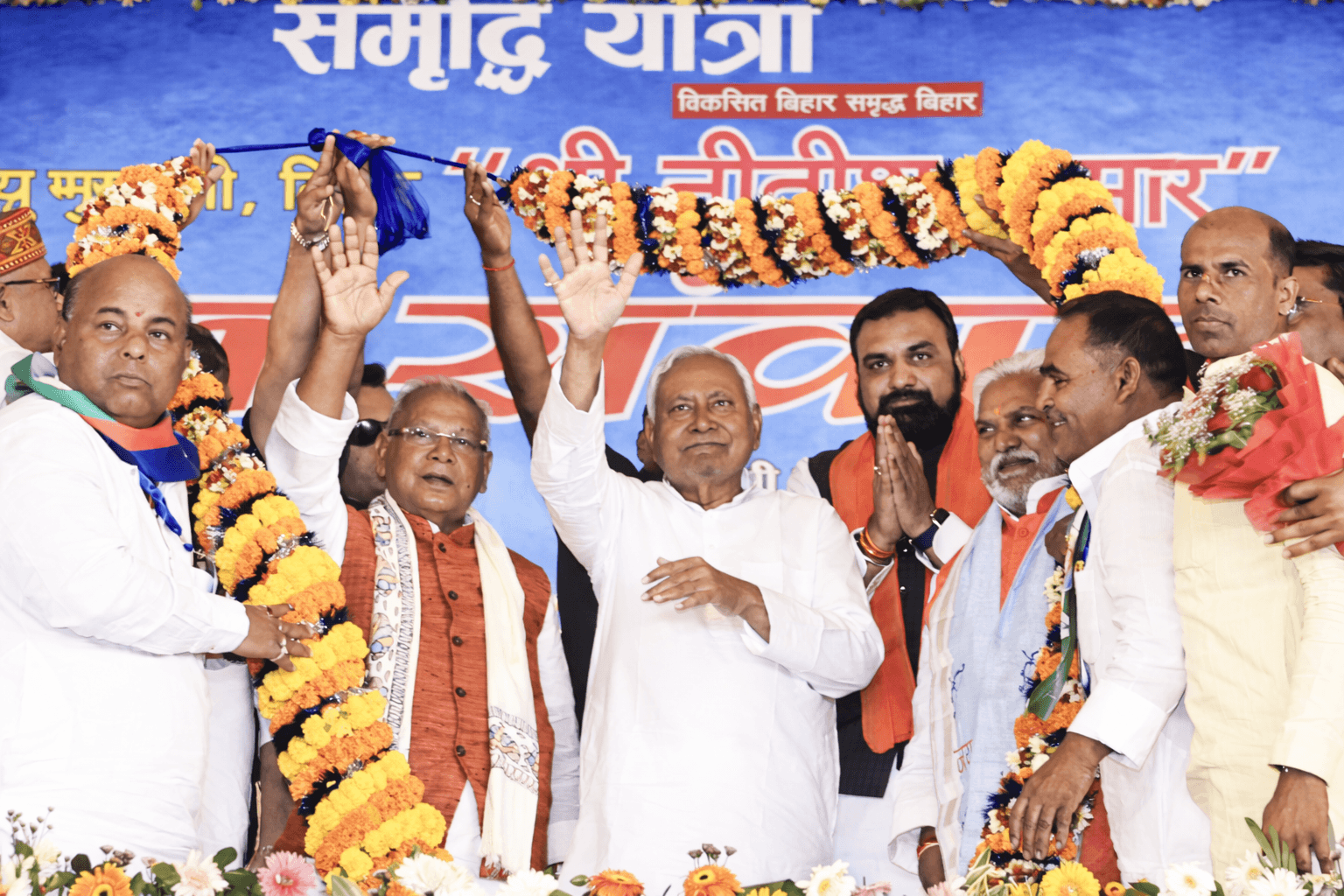
A recent political statement in Bihar has brought constitutional provisions back into focus. A state minister clarified that Nitish Kumar can continue as Chief Minister for six months even if he is not a member of the state legislature.
The Nitish Kumar six month rule has become central to ongoing discussions around leadership transition and political strategy in Bihar.
Understanding the Constitutional Provision
Under Article 164 of the Indian Constitution, a person can serve as Chief Minister without being a member of the state legislature for a maximum period of six months. Within this timeframe, the individual must get elected or nominated to either house of the state legislature.
This provision ensures continuity in governance while allowing flexibility during political transitions. It has been used in several states when leaders assumed office before securing legislative membership.
In Nitish Kumar’s case, the provision is particularly relevant due to his reported move toward the Rajya Sabha, which could temporarily change his legislative status.
Why This Rule Matters Now
The discussion around the Nitish Kumar six month rule comes at a time of political transition in Bihar. Reports indicate that Nitish Kumar is preparing for a national role, including entry into the Rajya Sabha.
This shift has raised questions about whether he can continue as Chief Minister while no longer being a member of the state legislature. The six-month constitutional window provides a clear answer, allowing him to remain in office temporarily.
This clarification reduces uncertainty and ensures administrative continuity during the transition phase.
Political Signals and Leadership Speculation
Recent political developments have intensified speculation around succession in Bihar. Statements from within the ruling alliance suggest that leadership decisions will be taken collectively, reflecting coalition dynamics.
At the same time, Nitish Kumar’s public remarks have hinted at potential leadership changes, further fueling discussion about the future of the Chief Minister’s position.
Despite these signals, the six-month rule ensures that any transition can be managed without immediate disruption.
Implications for Governance and Stability
The Nitish Kumar six month rule plays a critical role in maintaining governance stability. It allows the administration to function without interruption, even as political decisions evolve.
For Bihar, this means that development programs, policy implementation, and administrative processes can continue without immediate changes in leadership structure.
It also provides the ruling alliance time to decide on long-term leadership without rushing into a transition.
Strategic Importance in Indian Politics
This provision is not unique to Bihar. It reflects a broader constitutional design that balances flexibility with accountability.
By allowing a six-month window, the Constitution ensures that leadership changes do not disrupt governance while still requiring democratic legitimacy through legislative membership.
In high-stakes political environments, such provisions often become key tools for managing transitions smoothly.
Topics
Covering startup news, AI, technology, and business at ThePrimely. Delivering accurate, in-depth reporting on the stories that shape the future.