
Nepal Election Results 2026: Balen Shah Emerges as Youth-Backed Frontrunner
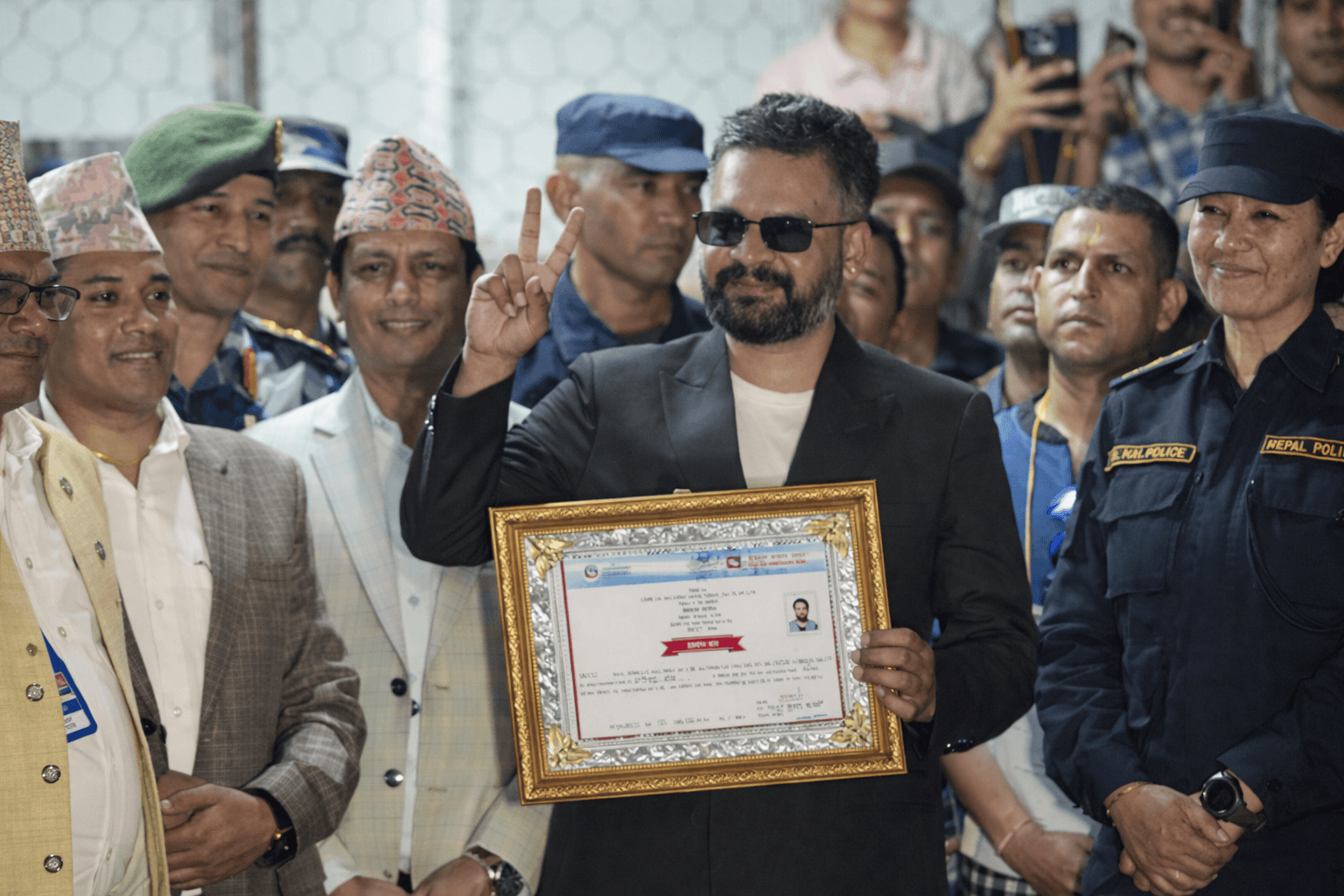
Nepal’s 2026 parliamentary election is rapidly reshaping the country’s political landscape. Early results suggest that Balendra “Balen” Shah, a former rapper and ex-mayor of Kathmandu, has emerged as the leading figure in a dramatic shift driven by youth activism and public frustration with traditional political elites.
The election marks the first national vote since mass Gen Z protests in 2025 forced the resignation of the previous government. Those protests created an unprecedented political environment in which younger voters and reform-oriented candidates have gained significant momentum.
With early vote counts favoring Shah’s Rastriya Swatantra Party (RSP), the results signal a potential generational transformation in Nepal’s political leadership.
Nepal Election 2026 Results and Early Trends
Initial vote counts indicate a strong performance for the Rastriya Swatantra Party. The party has secured 60 seats out of the 165 directly elected constituencies and is leading in more than 60 others, placing it far ahead of traditional parties.
Nepal’s parliament consists of 275 seats, with 165 elected directly and 110 allocated through proportional representation.
If the current trends continue, Shah’s party could become the dominant force in the next government, potentially positioning him as a frontrunner for prime minister.
The election has already produced major upsets. In one of the most symbolic results, Shah defeated veteran leader K.P. Sharma Oli in his own constituency, signaling a rejection of long-standing political figures.
The Rise of Balendra “Balen” Shah
Balendra Shah’s political rise is one of the most remarkable stories in recent South Asian politics.
A 35-year-old structural engineer and former rapper, Shah first gained national attention when he was elected Mayor of Kathmandu in 2022 as an independent candidate.
His popularity grew significantly during the nationwide protests in 2025, where he became associated with the broader movement demanding accountability, transparency, and economic reform.
Shah’s campaign strategy relied heavily on:
- Youth mobilization
- Social media outreach
- Grassroots engagement across urban and rural constituencies
These tactics helped him attract younger voters who were disillusioned with Nepal’s established political parties.
How Gen Z Protests Reshaped Nepal’s Political Landscape
The 2026 election cannot be understood without the events of September 2025. Large-scale protests led mainly by students and young citizens erupted after a government decision to ban major social media platforms.
The demonstrations quickly expanded into a nationwide anti-corruption movement.
Key developments during the unrest included:
- Widespread protests across major cities
- Violent clashes with security forces
- The resignation of Prime Minister K.P. Sharma Oli
At least 76 people were killed and more than 2,000 injured during the protests, making it one of the most significant political crises in Nepal’s recent history.
The protests ultimately forced the dissolution of parliament and triggered early elections in 2026.
A Generational Shift in Nepalese Politics
The ongoing election results reflect a deeper generational transformation.
For decades, Nepal’s politics have been dominated by a small group of established leaders and parties. However, public frustration with corruption, unemployment, and political instability has been growing.
Several factors explain the current shift:
Youth Demographics
Nearly 19 million voters are eligible, including hundreds of thousands of first-time voters from the generation that led the protests.
Economic Frustration
High youth unemployment and large-scale migration for overseas work have intensified demands for political reform.
Anti-Establishment Sentiment
Many voters see Shah as a symbol of change capable of challenging entrenched political elites.
Regional and Strategic Implications
Nepal’s political transformation has broader regional implications.
As a strategically located Himalayan nation between India and China, Nepal’s leadership changes often influence regional diplomacy, economic cooperation, and infrastructure development.
A government led by reform-oriented politicians could reshape policies related to:
- Economic modernization
- Foreign investment
- Regional connectivity projects
However, analysts caution that forming a stable government may still require coalition negotiations due to Nepal’s fragmented parliamentary system.
Topics
Covering startup news, AI, technology, and business at ThePrimely. Delivering accurate, in-depth reporting on the stories that shape the future.