
Microsoft Take Over OpenAI’s Norway Stargate Data Center and What Does It Reveal About AI Power Dynamics?
A Sudden Shift in the AI Infrastructure Race
The Microsoft OpenAI Stargate shift marks a critical turning point in the global AI race. It reflects how control over infrastructure is becoming as important as innovation itself.
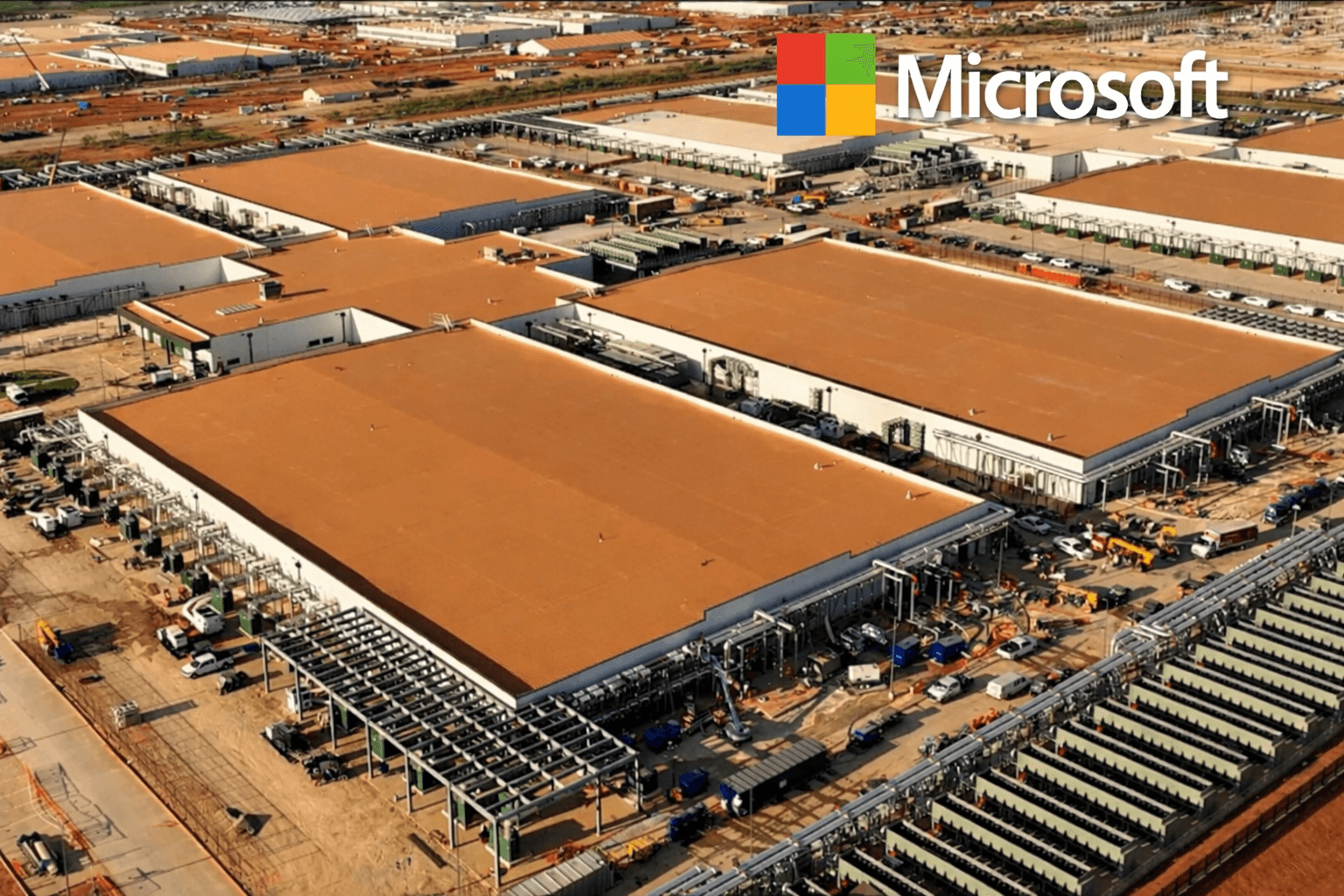
Microsoft has taken over data center capacity in Norway that was originally planned for OpenAI under the Stargate initiative. This move was not incidental. It signals a deeper restructuring of how AI companies build and access compute power.
What Happened at the Norway Stargate Site?
Initially, OpenAI planned to directly use capacity at a data center in Narvik, Norway. This was part of its broader Stargate expansion strategy.
However, OpenAI stepped back from the deal. Instead of owning or directly securing the infrastructure, it chose a different route. Microsoft stepped in. It agreed to rent the same capacity and expand it significantly. The scale is notable. The site is expected to include over 30,000 advanced Nvidia GPUs.
Why Did OpenAI Pull Back?
The decision reflects changing economic and strategic priorities. Building and owning AI infrastructure is expensive. It requires massive capital and long term commitments. OpenAI appears to be shifting toward a more asset light model. Instead of owning infrastructure, it will lease compute capacity through Microsoft.
This reduces upfront costs. It also allows flexibility in scaling operations. At the same time, OpenAI’s broader Stargate ambitions have faced challenges. These include high costs, coordination issues, and execution delays.
Microsoft’s Strategic Advantage
For Microsoft, this move strengthens its position in AI infrastructure. By taking over the Norway site, it secures high performance compute capacity in a strategic location. Norway offers renewable energy and stable conditions for data centers.
Moreover, Microsoft deepens its partnership leverage with OpenAI. Even as OpenAI seeks independence, it still relies on Microsoft’s cloud ecosystem. This creates a balanced but complex relationship.
The Role of Nvidia and Compute Scale
The deployment of 30,000 Nvidia GPUs highlights the scale of modern AI systems. These chips are essential for training large models. They represent both performance and competitive advantage. Control over such compute resources determines who can build the most advanced AI systems.
Therefore, this deal is not just about infrastructure. It is about capability and long term dominance.
Industry Impact and Competitive Signals
The Microsoft OpenAI Stargate shift sends strong signals across the industry. First, it shows that AI infrastructure is consolidating among major players. Smaller firms may struggle to compete at this scale. Second, it highlights the rising cost of independence. Even leading AI companies must reconsider ownership strategies.
Third, it reinforces Microsoft’s position as a backbone provider for AI development. This could influence how future partnerships are structured.
Strategic Realignment in AI Ecosystems
This development reflects a broader realignment. OpenAI is focusing on model development and applications. Meanwhile, Microsoft is strengthening its role as an infrastructure provider. This division of roles could define the next phase of AI growth.
However, it also raises questions about dependency. Companies must balance collaboration with control.
What This Means for the Future of AI Infrastructure
AI infrastructure is entering a new phase. Ownership models are shifting. Partnerships are becoming more complex. Scale is becoming the primary differentiator. The Norway data center case shows that flexibility may outweigh ownership. At the same time, control over compute remains central. Companies that secure it will shape the future of AI.
The Microsoft OpenAI Stargate shift is more than a project change. It reflects a strategic recalibration in the AI ecosystem. Microsoft gains infrastructure dominance. OpenAI gains flexibility. Both adapt to the realities of scale and cost. Ultimately, the future of AI will not be defined only by models. It will be defined by who controls the infrastructure behind them.
FAQ's
1. What is the Stargate project?
It is a large scale AI infrastructure initiative aimed at building massive data centers for advanced AI systems.
2. Why did Microsoft take over the Norway site?
Microsoft stepped in after OpenAI withdrew, securing compute capacity and expanding its infrastructure presence.
3. How many GPUs are involved in the project?
The site is expected to deploy over 30,000 Nvidia GPUs, indicating massive compute scale.
4. Why did OpenAI step back from the deal?
OpenAI is shifting toward leasing infrastructure instead of owning it, reducing costs and increasing flexibility.
5. What does this mean for AI competition?
It highlights that control over infrastructure is becoming as important as AI model innovation.
Topics
Covering startup news, AI, technology, and business at ThePrimely. Delivering accurate, in-depth reporting on the stories that shape the future.