
India Eyes Export Advantage in US Market Under New Tariffs
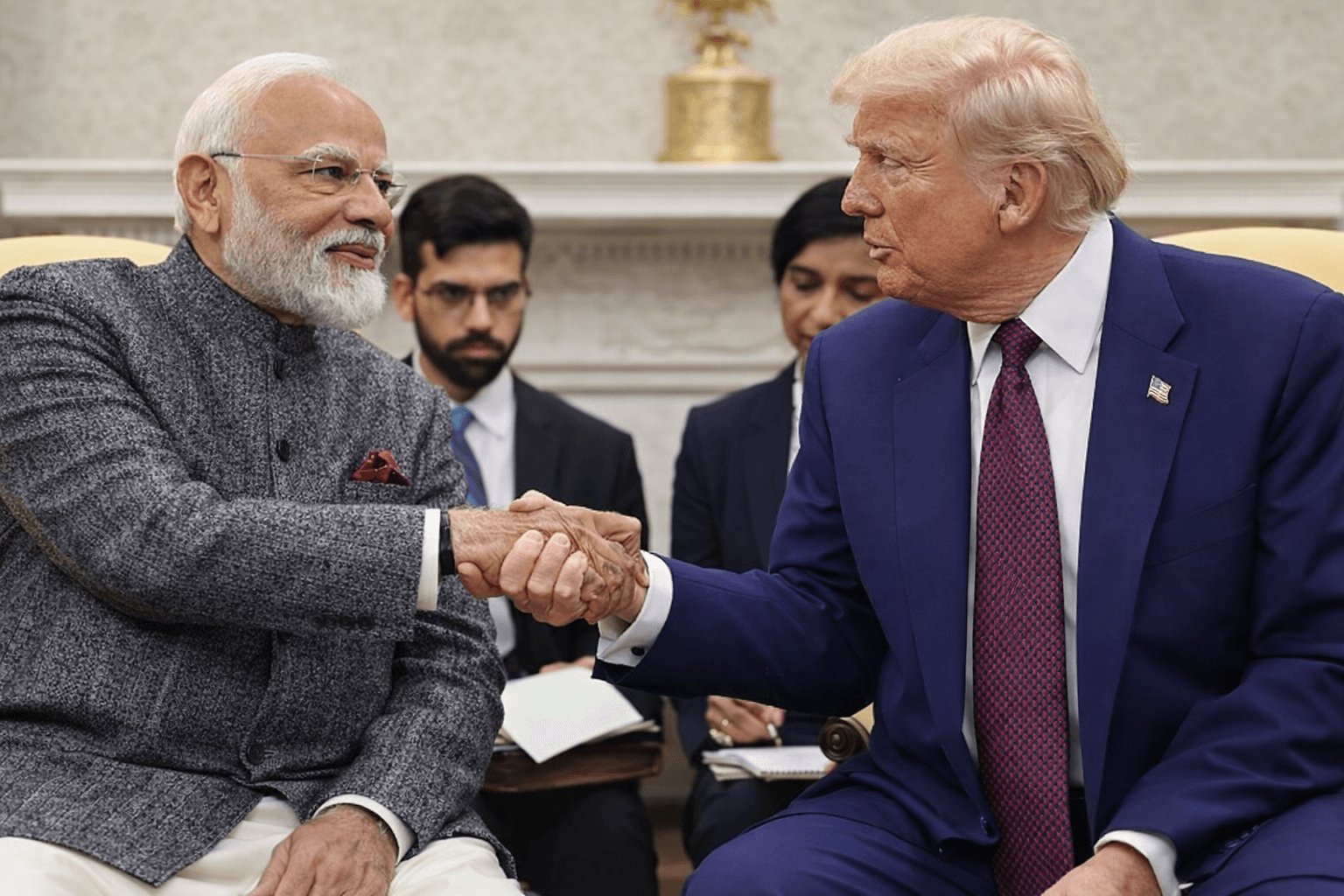
India Sees Comparative Edge in US Market as Tariff Changes Shape Trade Deal
India believes it could gain a competitive advantage in the US market under a new tariff structure proposed by Washington, even as negotiations continue for a bilateral trade agreement between the two countries.
Officials in New Delhi say the final trade pact will depend on how the United States restructures tariffs on imports from different countries.
The agreement, once finalized, is expected to address several contentious issues, including Section 301 tariffs and broader market access concerns.
Deal to Be Finalized After Tariff Framework
Indian officials said the trade agreement will likely be signed only after the US finalizes its new global tariff architecture.
They stressed that any deal must ensure India maintains a favourable comparative position in the American market compared with other exporting countries.
“If a deal is signed, it has to be under a tariff structure where India has a comparative advantage in the US market,” an official said.
The timing of the agreement therefore depends largely on Washington’s decisions regarding its broader tariff policies.
Background of Trade Tensions
Trade relations between India and the United States have experienced tensions in recent years.
In 2025, the US imposed steep tariffs on Indian imports, in some cases raising duties to around 50%, which significantly affected sectors such as textiles, engineering goods and auto components.
These measures triggered a period of trade friction between the two countries.
Both sides have since attempted to resolve the dispute through negotiations aimed at lowering tariffs and expanding bilateral trade.
Interim Framework Already in Place
Earlier discussions between the two countries produced an interim framework for a broader trade agreement.
Under that arrangement:
- The US would reduce tariffs on Indian imports to around 18%.
- India would lower duties on several US goods, including industrial products and agricultural items.
The framework also included commitments to address non-tariff barriers and improve market access for key industries.
Strategic Importance of the Deal
The United States remains India’s largest trading partner, and improved market access could boost exports in sectors such as pharmaceuticals, engineering goods and information technology services.
Analysts say a stable trade agreement could also improve investor sentiment toward India and strengthen economic ties between the two countries.
For India, securing favourable tariff treatment is crucial to maintaining competitiveness against exporters from countries such as Vietnam, Bangladesh and Mexico.
Negotiations Continue
Officials say discussions between the two governments are ongoing.
The final agreement is expected to address tariffs, market access, supply chains and other trade barriers.
For now, India is closely watching the US tariff policy changes before committing to the final deal.
The outcome could shape trade relations between the two economies and influence global supply chains in the coming years.
Topics
Covering startup news, AI, technology, and business at ThePrimely. Delivering accurate, in-depth reporting on the stories that shape the future.