
India IT Workplace Bias Controversy: What Triggered the Row and How Are TCS, Infosys, and Tech Mahindra Responding?
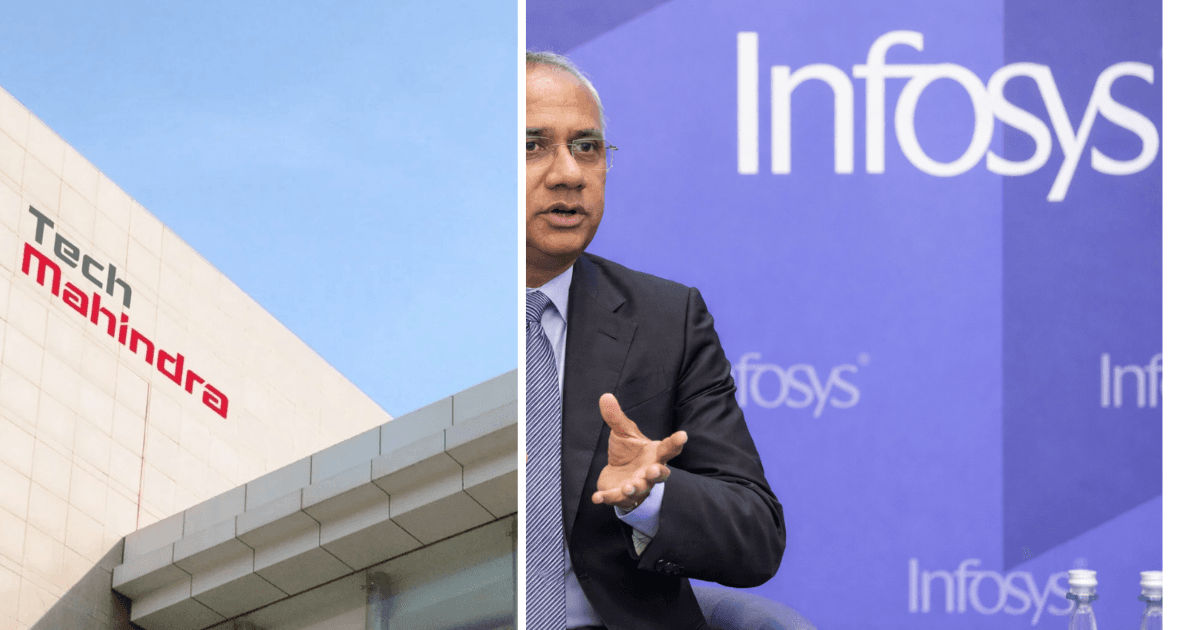
The India IT workplace bias controversy has placed major technology firms under intense public scrutiny. Allegations involving TCS, Infosys, and Tech Mahindra surfaced within days. Each case raised questions about workplace culture and internal governance.
As the debate grew, companies issued statements to control the narrative. However, the broader issue now extends beyond individual incidents.
What Sparked the Controversy?
The controversy began with claims emerging from a TCS facility in Nashik. A viral allegation described inappropriate remarks made to an employee. The claim quickly spread online and triggered outrage. Soon after, separate accusations targeted Infosys. Social media posts alleged harassment at its Pune office. These claims gained traction despite limited verified details.
At the same time, Tech Mahindra faced criticism over a viral image. The image showed a designated footwear free zone inside an office. Some users interpreted it as religious bias. Together, these incidents created a wave of suspicion around workplace practices in the IT sector.
TCS Nashik Case: Allegations and Response
The most serious claims came from the TCS Nashik incident. An employee alleged verbal misconduct involving deeply inappropriate comments. The nature of the claim intensified public reaction.
TCS responded by stating that it takes such allegations seriously. The company emphasized its commitment to a safe workplace. It also indicated that internal processes would address the matter. However, details of any formal investigation remain limited in public domain. This gap has kept the issue alive in discussions.
Infosys Pune Allegations: Company Pushback
Infosys faced a different situation. Social media posts accused the company of harassment at its Pune facility. The claims lacked formal complaints or verified evidence.
Infosys strongly denied these allegations. It clarified that the claims were baseless and misleading. The company reiterated its strict policies on employee safety and respect. This response aimed to prevent reputational damage. It also highlighted the risks of unverified content spreading rapidly online.
Tech Mahindra Footwear Zone Row
Tech Mahindra’s controversy stemmed from a viral image rather than a direct allegation. The image showed a footwear free zone inside an office area. Some interpreted this as a religiously motivated space. This triggered criticism and speculation about bias.
The company clarified that the zone was not linked to any religious practice. Instead, it explained that such areas exist for hygiene or specific operational needs. It denied any form of religious discrimination.
Why These Incidents Matter
India’s IT sector employs millions and operates globally. Companies like TCS, Infosys, and Tech Mahindra represent the country’s corporate standards.
Therefore, even isolated incidents can impact perception. Workplace culture has become a key factor in employer reputation. Employees now expect transparency and accountability. Moreover, social media amplifies every claim. A single post can shape public opinion within hours.
Key Developments and Patterns
A clear pattern emerges across these cases. Allegations surfaced rapidly and spread widely. In response, companies issued swift clarifications.
However, the nature of each case differs. The TCS issue involves serious misconduct allegations. Infosys faced unverified claims. Tech Mahindra dealt with misinterpretation of visual content. Despite these differences, all three cases highlight a common risk. Corporate communication gaps can escalate quickly.
Industry Impact and Strategic Concerns
The controversy has broader implications for the IT industry. First, it raises questions about internal grievance mechanisms. Companies must ensure employees feel safe reporting issues. Second, it exposes the vulnerability of brand reputation. Even unverified claims can cause damage.
Third, it underscores the need for proactive communication. Silence or delay can worsen perception. For global clients, these issues also matter. Workplace culture influences trust and long term partnerships.
What Companies Must Address Now
The current situation demands a structured response. Companies must strengthen internal policies. They also need to ensure consistent enforcement. Equally important, leadership must communicate clearly. Employees and stakeholders expect transparency.
Training programs on workplace conduct can reduce risks. At the same time, companies should monitor social narratives closely.
The Larger Question for Corporate India
This controversy raises a critical question. Are companies prepared for real time scrutiny? Corporate India operates in a highly visible environment. Every policy and action can become public instantly.
Therefore, organizations must align internal culture with external messaging. Any mismatch creates risk. The India IT workplace bias controversy reflects a deeper shift in expectations. Employees demand respect and clarity. The public expects accountability.
TCS, Infosys, and Tech Mahindra have responded to immediate concerns. However, long term trust will depend on consistent action. The lesson is clear. Strong policies are not enough. Clear communication and credible enforcement define corporate reputation.
FAQ's
1. What is the India IT workplace bias controversy?
It refers to recent allegations and viral claims involving TCS, Infosys, and Tech Mahindra regarding workplace practices.
2. What happened in the TCS Nashik case?
An employee alleged inappropriate remarks, prompting public outrage and a company response.
3. Did Infosys confirm harassment claims?
No. Infosys denied the allegations and called them baseless.
4. Why was Tech Mahindra criticized?
A viral image of a footwear free zone was misinterpreted as religious bias.
5. What is the key takeaway for companies?
Clear communication, strong policies, and quick response are essential to manage reputation and maintain trust.
Topics
Covering startup news, AI, technology, and business at ThePrimely. Delivering accurate, in-depth reporting on the stories that shape the future.