
India Fertiliser Supply Stable for Now, But West Asia Conflict Raises Long Term Risk
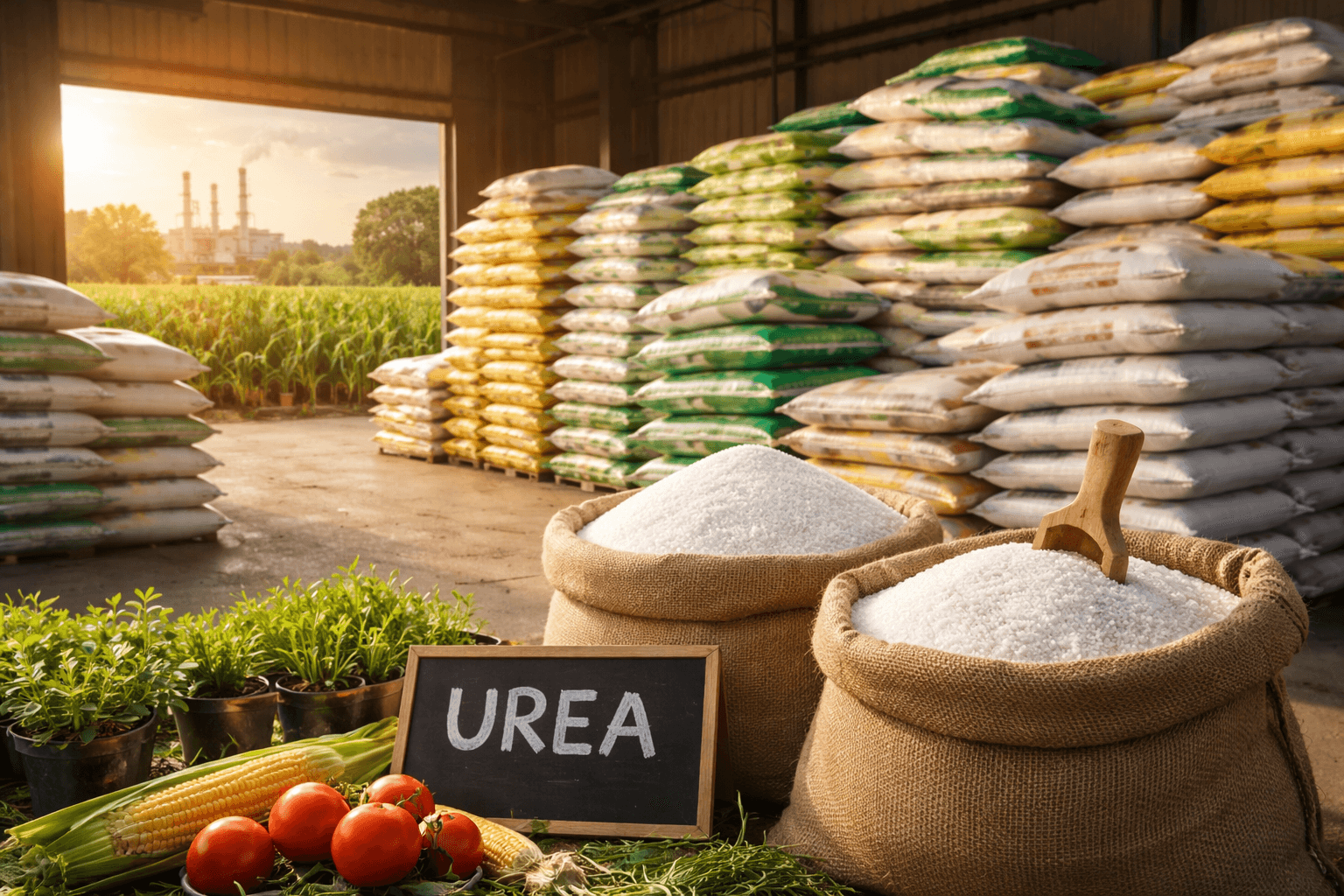
India’s fertiliser supply currently remains stable. However, geopolitical tensions in West Asia have introduced a strategic risk that policymakers and industry leaders cannot ignore.
Government officials and industry executives confirm that India holds sufficient fertiliser stocks to meet near term agricultural demand. Yet the situation could change if the conflict in West Asia continues for several months.
The reason is structural. India relies heavily on imported fertiliser inputs and raw materials from that region. Any prolonged disruption in shipping routes or energy supplies could ripple through the agricultural sector.
For now, the system remains resilient. But the coming months will determine whether that stability holds.
India Fertiliser Supply Remains Adequate for Current Agricultural Needs
India currently has sufficient fertiliser inventory to support farmers during the upcoming crop cycle.
Officials from Fertilisers and Chemicals Travancore Limited (FACT), one of the largest fertiliser suppliers in South India, confirmed that there is no immediate shortage of fertilisers in the country.
Urea availability remains particularly strong. According to officials, the current stock is enough to support the Kharif sowing season, which begins with the monsoon in June and July.
Government inventory data also reinforces this position. Fertiliser stocks recently stood at 17.73 million tonnes, roughly 36.5 percent higher than last year.
These reserves include several key nutrients used by farmers across India:
- Urea: about 5.93 million tonnes
- NPK fertilisers: about 5.58 million tonnes
- Diammonium phosphate (DAP): about 2.51 million tonnes
These buffers provide a critical cushion against short term global disruptions.
Therefore, for the current agricultural cycle, supply stability appears secure.
Why the West Asia Conflict Matters for India’s Fertiliser Industry
Despite current stock levels, India’s fertiliser supply chain remains globally interconnected.
A large portion of the country’s fertiliser production depends on imported raw materials. These include rock phosphate, phosphoric acid, ammonia, and natural gas, many of which originate in West Asia and the Middle East.
These materials typically reach India through maritime routes.
Consequently, any prolonged geopolitical disruption could affect:
- shipping routes in the Gulf region
- availability of raw materials
- energy supplies used in fertiliser production
- international fertiliser prices
Industry analysts also warn that broader geopolitical instability could disrupt global commodity markets and shipping logistics.
In such scenarios, fertiliser production costs and import prices may rise significantly.
Production Capacity and Strategic Buffers
Indian fertiliser companies are already preparing for possible supply disruptions.
FACT officials confirmed that the company currently holds about 1.4 lakh metric tonnes of fertiliser stock.
In addition, the company has secured enough raw materials to produce around 1.5 lakh metric tonnes of fertilisers between March and April 2026.
Looking ahead, production plans remain ambitious. The company aims to produce approximately:
- 5.5 lakh metric tonnes of fertilisers for the 2026 Kharif season
- 1 lakh metric tonnes through imports
These measures reflect a broader strategy within the fertiliser industry. Companies are building buffers and securing procurement channels to maintain supply continuity.
Kharif vs Rabi Crop Cycles
India’s agricultural calendar plays a crucial role in assessing supply risk.
The country operates around two major crop seasons:
Kharif Season
Kharif crops are sown during the monsoon months, typically June and July, and harvested around September or October.
Because fertiliser stocks are currently strong, officials expect no supply disruptions for the upcoming Kharif cycle.
Rabi Season
Rabi crops are planted during October and November and harvested in April or May.
However, this is where risk begins to emerge.
If the West Asia conflict continues for six months or longer, fertiliser imports and raw material supplies could tighten. That could affect production and availability during the Rabi season.
Therefore, the timeline of geopolitical developments will directly influence agricultural supply stability.
India’s Structural Dependence on Fertiliser Imports
India remains one of the world’s largest fertiliser consumers.
At the same time, the country imports a significant share of its fertiliser requirements.
Industry estimates suggest that India imports around 30 percent of its fertiliser demand, with the Middle East accounting for a major share of those supplies.
This structural dependence creates exposure to geopolitical shocks.
Beyond fertilisers, India also imports large volumes of crude oil, LNG, and industrial materials from the same region. The total value of these imports exceeds $98 billion annually, making West Asia one of India’s most important economic partners.
As a result, regional instability can quickly influence multiple sectors simultaneously.
Strategic Implications for Agriculture and Food Security
The fertiliser industry sits at the center of India’s food security system.
Agriculture supports a significant portion of the country’s population and remains a major economic pillar. Fertilisers directly influence crop yields and farm productivity.
If fertiliser supplies tighten, the consequences could include:
- reduced agricultural output
- higher fertiliser prices
- rising food inflation
- increased government subsidy burden
Therefore, policymakers closely monitor global supply chains.
At present, the government and industry leaders emphasize that there is no reason for immediate concern. However, contingency planning remains essential.
Future Outlook for India Fertiliser Supply
India’s fertiliser supply is stable today. Strategic inventories and strong procurement planning provide a near term buffer.
Yet the longer term outlook depends heavily on geopolitical developments.
If the West Asia conflict deescalates quickly, fertiliser supply chains will likely remain intact. Production schedules and imports should continue without major disruption.
However, if the conflict extends beyond several months, the pressure could gradually build.
Shipping routes, raw material availability, and global fertiliser prices could all shift.
For India, the challenge will be balancing three priorities:
- securing diversified import sources
- strengthening domestic fertiliser production
- maintaining adequate national stockpiles
In an increasingly uncertain geopolitical environment, resilience in agricultural supply chains will become a strategic necessity.
India currently holds sufficient fertiliser stocks to support farmers through the upcoming agricultural cycle. Strong inventories and government procurement have created a reliable short term buffer.
However, the situation remains closely tied to geopolitical developments in West Asia. The region supplies key raw materials used in fertiliser production. A prolonged conflict could disrupt shipping routes, raise prices, and strain supply chains.
For now, policymakers remain confident that the Kharif season will proceed without disruption. The real test will come later in the year.
If tensions persist into the second half of the year, the Rabi season could face tighter supply conditions.
Therefore, India’s fertiliser strategy is entering a critical phase. Stability today does not eliminate risk tomorrow.
Topics
Covering startup news, AI, technology, and business at ThePrimely. Delivering accurate, in-depth reporting on the stories that shape the future.