
Iran Hardline Clerics Push for Rapid Naming of New Supreme Leader
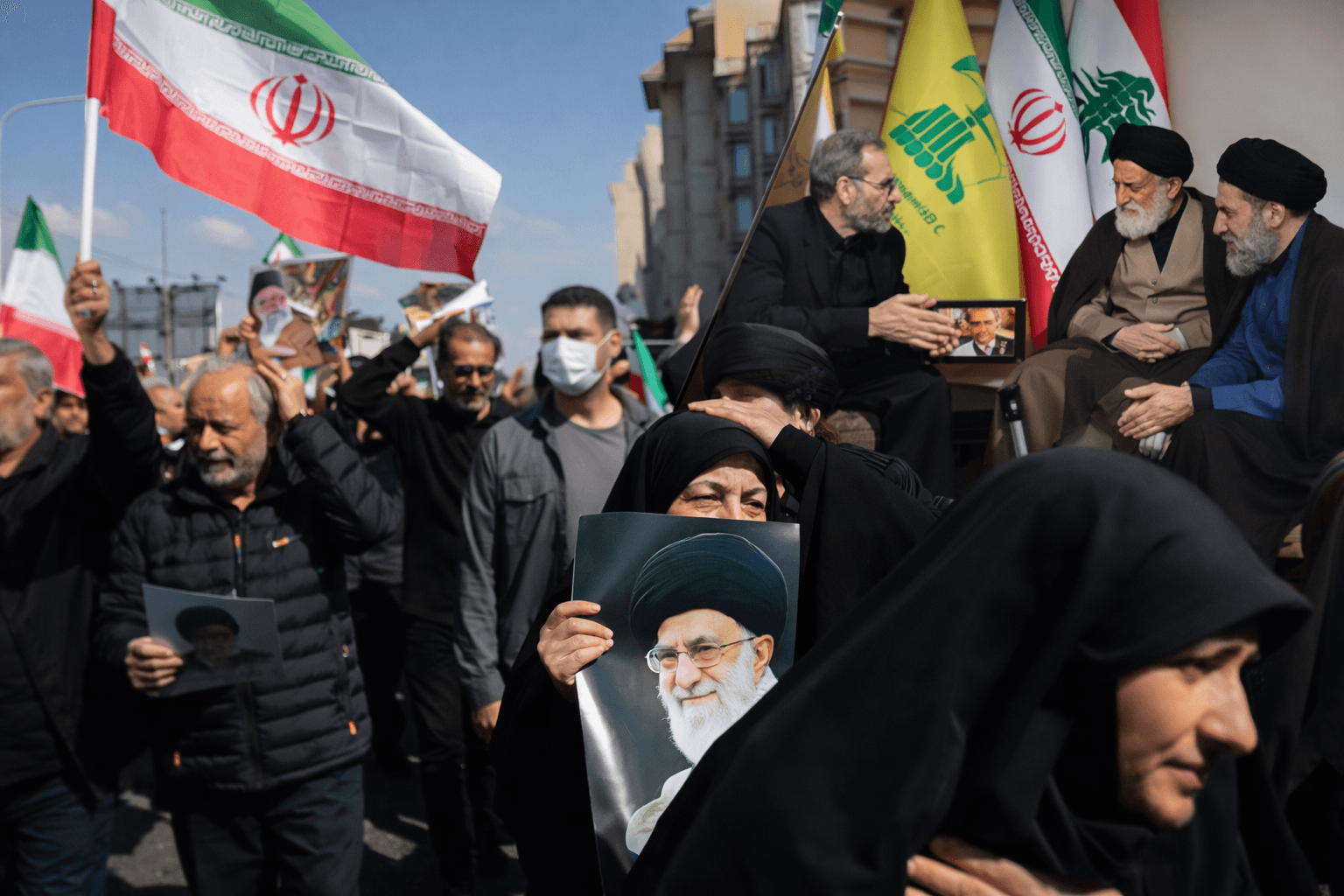
Iran’s political establishment is under mounting pressure to quickly appoint a new Supreme Leader as the country confronts both a leadership vacuum and an escalating regional conflict.
Prominent hardline clerics have urged authorities to accelerate the succession process following the death of Ayatollah Ali Khamenei, arguing that strong leadership is essential to guide the nation through wartime conditions.
Their demands reflect concerns within Iran’s religious and political circles that prolonged uncertainty at the top of the state could weaken the country during a period of intense military confrontation and international pressure.
Iran New Supreme Leader Succession: Calls for Immediate Decision
Influential clerics including Ayatollah Hossein Mozafari, Grand Ayatollah Naser Makarem Shirazi, and Hossein Nouri Hamedani have publicly called for the rapid appointment of a new leader.
They argue that Iran needs clear authority to maintain political stability and manage the ongoing conflict.
According to Iran’s constitution, the Assembly of Experts, an 88-member clerical body, is responsible for selecting the Supreme Leader.
Although the law allows up to three months for the appointment of a successor, hardline clerics are urging the body to make a decision much sooner.
Reports suggest the Assembly could convene within 24 hours, possibly through an online session due to security concerns during the conflict.
Interim Leadership Council Governing Iran
Until a new leader is chosen, Iran is being governed by a temporary Interim Leadership Council.
The council currently consists of:
- President Masoud Pezeshkian
- Judiciary chief Gholam-Hossein Mohseni-Eje’i
- Senior cleric Alireza Arafi
This council assumed authority following Khamenei’s death and is responsible for managing state affairs during the transition period.
However, some clerics are uncomfortable leaving the country under temporary leadership during wartime, which is why they are pushing for a quicker succession decision.
Potential Candidates for Supreme Leader
Several figures are being discussed as potential successors to Khamenei.
One of the most prominent candidates is Mojtaba Khamenei, the late leader’s son. He has built strong ties with Iran’s powerful Islamic Revolutionary Guard Corps (IRGC) and holds significant influence within the clerical establishment.
However, his possible appointment has sparked debate within Iran’s political and religious circles, with critics warning that a hereditary transfer of power could resemble dynastic rule.
Other potential candidates reportedly include senior clerics and judicial figures who have experience within Iran’s religious institutions and political structure.
War Pressure Accelerating the Succession Process
The urgency surrounding the leadership transition is closely linked to the ongoing regional conflict.
Iran is currently facing intense military pressure and geopolitical challenges, which have heightened concerns about political stability.
Hardline clerics believe that appointing a new Supreme Leader quickly would:
Strengthen National Unity
A single authority could provide clear direction during wartime.
Stabilize Political Institutions
The leadership transition would reduce uncertainty within government structures.
Reinforce Iran’s Strategic Response
Centralized leadership is seen as critical for coordinating military and diplomatic decisions.
International Reaction and Political Tensions
The leadership transition has also drawn attention from global political actors.
Some foreign leaders have commented on the succession process, remarks that Iranian authorities have strongly rejected as interference in domestic affairs.
Iranian religious figures have emphasized that the selection of the Supreme Leader is strictly a domestic matter governed by the country’s constitutional framework.
Strategic Implications for the Middle East
The selection of Iran’s next Supreme Leader will have far-reaching consequences.
The Supreme Leader holds the highest authority in Iran’s political system and has final control over:
- Military policy
- Foreign relations
- The nuclear program
- National security strategy
A new leader could shape Iran’s approach to regional conflicts, international diplomacy, and domestic governance for decades.
Given Iran’s central role in Middle Eastern geopolitics, the succession decision will be closely watched by governments and analysts worldwide.
Topics
Covering startup news, AI, technology, and business at ThePrimely. Delivering accurate, in-depth reporting on the stories that shape the future.