
IIT Madras Geothermal Project: Can Abandoned Oil Wells Power India’s Clean Energy Future Effectively
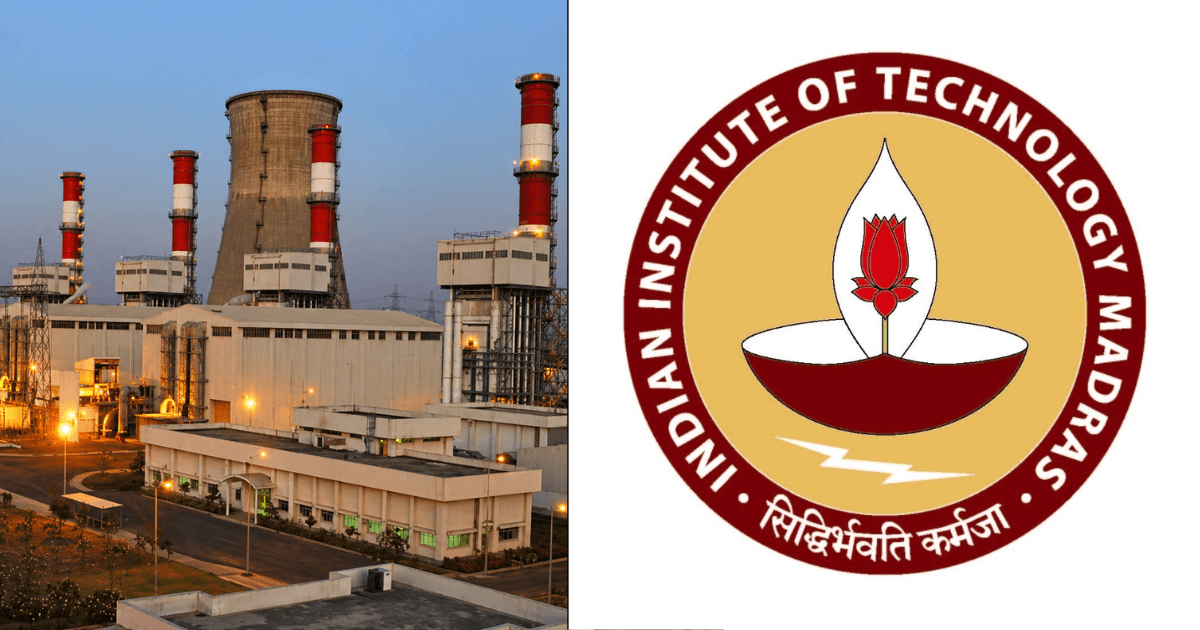
India’s energy transition has reached a decisive moment. The IIT Madras geothermal project signals a new direction. It focuses on converting abandoned oil wells into a reliable clean energy source. This approach combines innovation with existing infrastructure.
The project is not just experimental. It represents a strategic shift in how India may produce baseload renewable power.
What Is the IIT Madras Geothermal Project
The IIT Madras geothermal project is India’s first initiative to generate electricity using abandoned oil and gas wells. It is backed by the Ministry of New and Renewable Energy and funded at around ₹15.5 crore. The pilot will be implemented at an ONGC site in Ankleshwar, Gujarat. It aims to produce up to 450 kilowatts of continuous power during its demonstration phase.
This capacity may seem small. However, the goal is proof of concept. If successful, the model can scale across India.
How the Technology Works
The project uses a simple but effective principle. It taps heat stored deep beneath the Earth’s surface. Existing oil wells are repurposed. Fluids are pumped underground. These fluids absorb heat from hot rock formations. They return to the surface and generate electricity.
This approach reduces drilling costs. It also uses infrastructure that would otherwise remain unused.
Why This Project Matters Now
India currently has over 13,000 abandoned oil wells. These represent a massive untapped resource. At the same time, the country has an estimated geothermal potential of about 10,600 megawatts. Yet, not even 1 megawatt has been commercially developed so far.
This gap highlights the importance of the IIT Madras geothermal project. It aims to move geothermal energy from theory to execution.
Key Developments and Strategic Context
The initiative aligns with India’s broader energy strategy. The government recently introduced a national geothermal policy. This policy supports pilot projects, global partnerships, and regulatory frameworks.
Moreover, the project reflects a global shift. Countries are looking for stable renewable sources. Unlike solar and wind, geothermal energy provides continuous power. This makes it valuable for grid stability and industrial demand.
Industry and Market Implications
The project could reshape India’s renewable energy mix. First, it introduces baseload renewable power. This reduces dependence on intermittent sources like solar. Second, it improves asset utilization. Oil wells that once produced fossil fuels can now generate clean energy.
Third, it may attract investment in geothermal technologies. If scaled, it could unlock gigawatts of capacity across multiple regions. Regions such as the Cauvery delta and Cambay basin may become future hubs.
Strategic Impact on Energy Security
The timing of this project is significant. Global energy supply chains remain uncertain. Events affecting oil transport routes have exposed vulnerabilities. By developing domestic geothermal capacity, India can reduce external dependence.
This strengthens long term energy security. It also aligns with India’s net zero ambitions.
Challenges That Cannot Be Ignored
Despite its promise, the project faces challenges. Geothermal exploration requires precise geological data. Not all wells will be suitable. Initial costs, though reduced, remain significant. Technology adaptation is still evolving.
However, the pilot aims to address these uncertainties. It will provide real world data for scaling decisions.
What This Means for India’s Energy Future
The IIT Madras geothermal project represents a structural shift. It moves beyond conventional renewables. If successful, it could open a new category of clean energy in India. One that is stable, scalable, and locally sourced.
It also sets a precedent. Legacy fossil infrastructure can become part of the clean energy transition.
A Strategic Experiment with Long Term Potential
The IIT Madras geothermal project is more than a pilot. It is a strategic experiment. It combines innovation, policy support, and infrastructure reuse. While the output is modest today, the implications are significant.
India’s clean energy future may not depend only on new resources. It may also depend on how effectively it repurposes the old.
FAQ's
1. What is the IIT Madras geothermal project?
It is India’s first project to generate electricity using abandoned oil and gas wells.
2. How much power will the project generate?
The pilot aims to produce around 450 kilowatts of continuous power.
3. Why is geothermal energy important?
It provides stable, round the clock renewable energy unlike solar or wind.
4. How many abandoned oil wells exist in India?
India has over 13,000 abandoned oil wells that could be repurposed.
5. What is India’s geothermal potential?
The country has an estimated potential of about 10,600 megawatts of geothermal energy.
Topics
Covering startup news, AI, technology, and business at ThePrimely. Delivering accurate, in-depth reporting on the stories that shape the future.