
Why Did HCL Tech Shares Crash After Q4 Results and What Does It Signal for IT Sector Stability?
A Sharp Market Reaction That Demands Attention
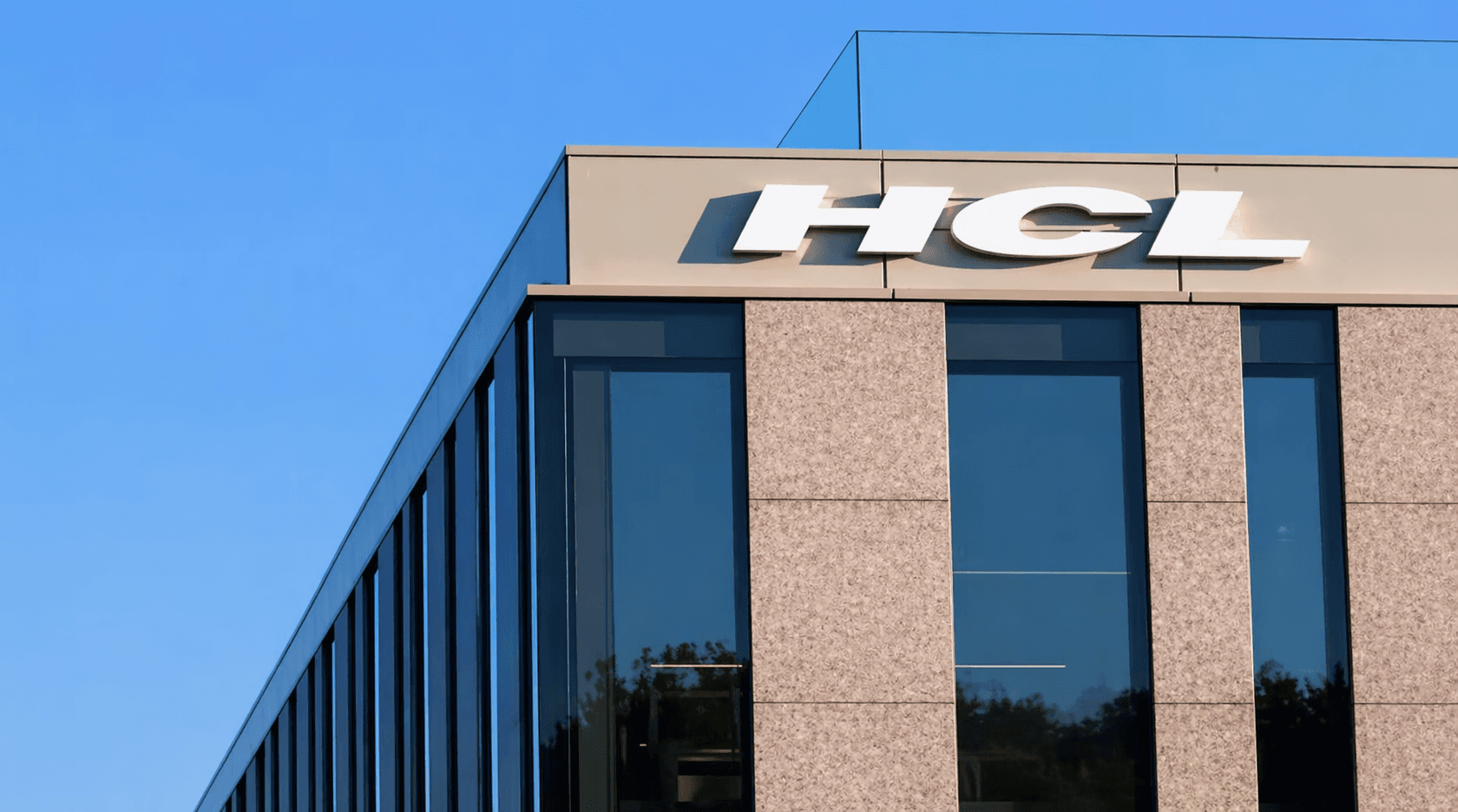
HCL Tech shares crash became one of the most discussed events in the Indian stock market this week. The stock fell sharply after the company reported weaker than expected Q4 results and issued cautious future guidance.
The fall erased nearly ₹38,000 crore in market value within a single session. As a result, the company slipped below key peers in market capitalization rankings. This reaction was not isolated. It reflected deeper concerns about the IT sector’s growth outlook.
What Exactly Went Wrong in Q4
The Q4 results disappointed across multiple fronts. Revenue growth remained muted. Margins also came under pressure. More importantly, the company’s guidance for the coming financial year fell below market expectations. Management indicated slower demand in key segments. This included discretionary spending from global clients. As a result, investors quickly reassessed growth assumptions.
Moreover, deal wins did not inspire confidence. While the company secured contracts, the overall value and conversion timelines raised concerns.
Brokerages Turn Cautious and Cut Targets
Following the results, several brokerages downgraded the stock. Target prices were cut significantly, with some estimates dropping close to ₹1,165. Analysts flagged weak earnings visibility. They also pointed to limited upside in the near term. As a result, selling pressure intensified throughout the trading session.
Importantly, the downgrade trend was not limited to one firm. Multiple global and domestic brokerages aligned on a cautious stance. This consensus amplified market reaction.
IT Sector Selloff Deepens
The impact extended beyond a single stock. The Nifty IT index declined sharply, with several IT stocks falling up to 9 percent. This broad based selloff signals a sector wide concern. Investors are now questioning growth sustainability in the IT industry. Slower global tech spending and macro uncertainty are key factors.
Additionally, currency fluctuations and cost pressures continue to weigh on margins. These combined forces have created a challenging environment for IT companies.
Structural Concerns Behind the Decline
The current situation reflects more than just one weak quarter. It highlights structural challenges in the IT sector. First, global clients are reducing discretionary spending. This directly impacts high margin digital transformation projects.
Second, decision making cycles have become longer. This delays revenue realization and affects quarterly performance.
Third, competition within the IT sector has intensified. Companies must now fight harder to maintain pricing power. These factors together explain why the HCL Tech shares crash triggered such a strong response.
Market Position and Competitive Pressure
HCL Tech losing its position relative to larger peers signals shifting investor preferences. Companies with stronger deal pipelines and better margin visibility are now favored. Investors are increasingly selective. They prefer firms that can demonstrate consistent growth despite macro headwinds.
Therefore, HCL Tech must rebuild confidence through execution and clarity in strategy.
What This Means Going Ahead for Investors
The sharp correction reflects a reset in expectations. Markets are now pricing in slower growth for the IT sector. However, this does not indicate a structural collapse. Instead, it signals a transition phase.
Companies that adapt quickly will recover faster. Those that fail to align with changing demand patterns may struggle. For investors, this phase demands careful stock selection. Blind exposure to the IT sector may not deliver expected returns.
A Wake Up Call for IT Sector Discipline
The HCL Tech shares crash is more than a reaction to earnings. It is a wake up call for the entire IT sector. Growth is no longer guaranteed. Execution, cost control, and deal quality now matter more than ever.
While the sector remains fundamentally strong, near term volatility is likely to continue. Therefore, both companies and investors must adapt to a more disciplined market environment.
FAQ's
Why did HCL Tech shares fall sharply?
HCL Tech shares fell due to weak Q4 results, lower than expected guidance, and multiple brokerage downgrades.
How much market value was lost?
The company lost around ₹38,000 crore in market capitalization after the results announcement.
Did the fall impact other IT stocks?
Yes, the Nifty IT index declined sharply, with several stocks falling up to 9 percent.
What are brokerages saying about HCL Tech?
Many brokerages have downgraded the stock and reduced target prices due to weak growth visibility.
Is this a long term concern for the IT sector?
The issue reflects short to medium term challenges. However, structural demand for IT services remains intact.
Topics
Covering startup news, AI, technology, and business at ThePrimely. Delivering accurate, in-depth reporting on the stories that shape the future.