
Why Is Tim Cook Stepping Down? What John Ternus Means for Apple’s Future Strategy
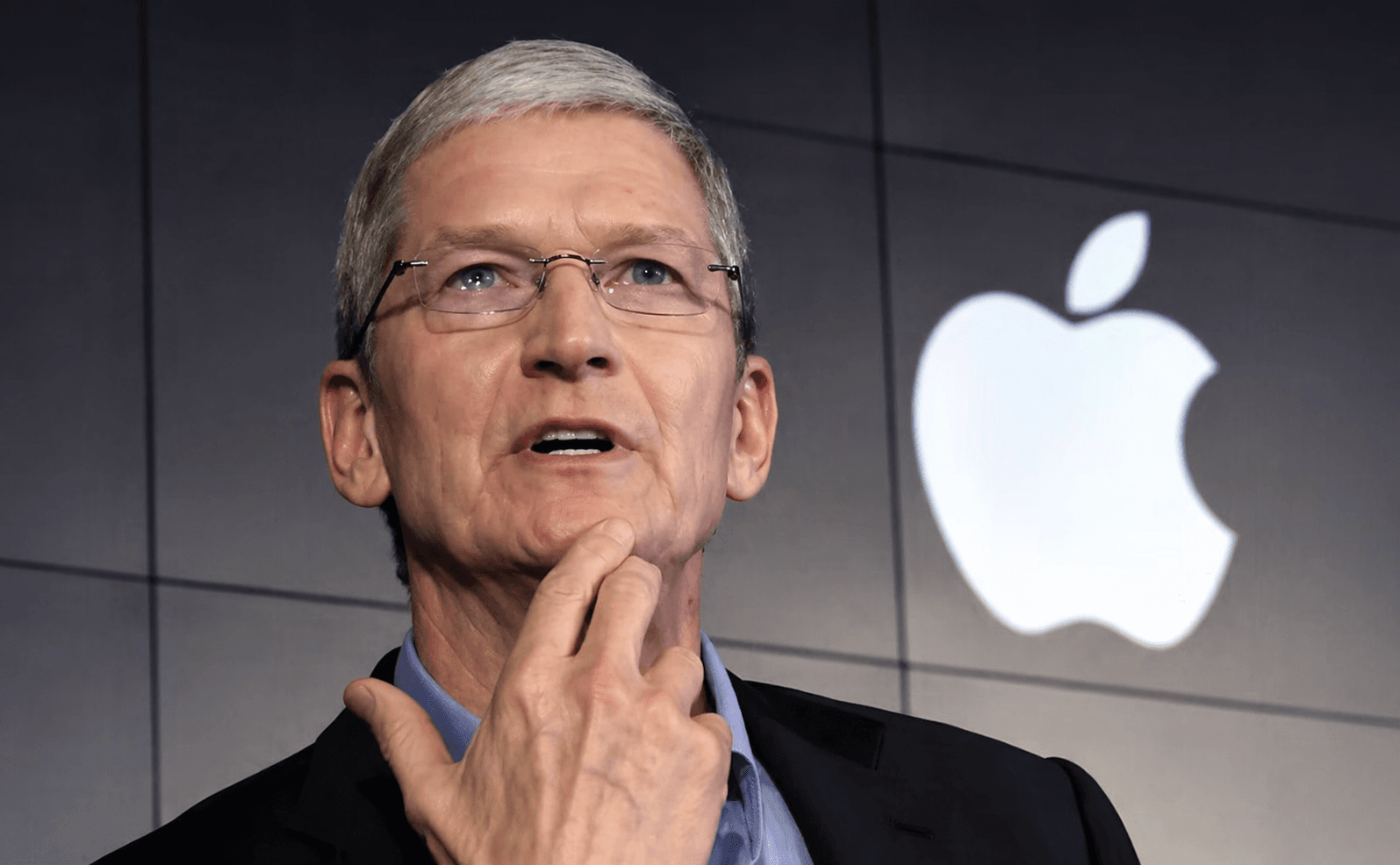
A defining moment in the Apple CEO transition
The Apple CEO transition has entered a critical phase. Reports indicate that Tim Cook has internally signaled that this is the right time to step aside. At the same time, Apple has identified John Ternus as the next CEO. This move has triggered immediate reactions across global markets. Analysts are not only questioning the timing.
They are also examining what this means for Apple’s long term strategy. The transition is not abrupt. However, it marks one of the most significant leadership shifts since the post Steve Jobs era.
The context behind Tim Cook’s exit
Tim Cook has led Apple for over a decade. During this period, the company achieved historic milestones. Apple’s valuation crossed $3 trillion. Revenue streams expanded beyond iPhones into services and wearables. Supply chains became more resilient despite global disruptions. However, leadership transitions at this level rarely happen suddenly. Cook’s internal message suggests a planned and strategic exit rather than a reactive one.
Moreover, analysts are reading this move as part of a broader evolution. Apple is shifting from operational excellence toward deeper product innovation cycles. This transition demands a different leadership focus.
Why John Ternus is the chosen successor
John Ternus currently leads Apple’s hardware engineering division. He has played a key role in developing core products including iPhones, Macs, and chips. His selection reflects a clear signal. Apple is prioritizing product innovation over operational continuity.
Ternus represents engineering depth and product vision. This aligns with Apple’s need to stay competitive in an AI driven and hardware integrated ecosystem. Unlike Cook, who focused on scale and efficiency, Ternus brings a builder mindset. This difference is strategic.
Apple’s India growth story gains new importance
India has become central to Apple’s global strategy. Recent reports highlight strong growth in iPhone sales in India. Apple has also expanded its retail presence with flagship stores. Local manufacturing efforts have increased significantly. This momentum is not accidental. India offers three major advantages. First, it is a fast growing premium smartphone market. Second, it provides supply chain diversification beyond China. Third, it supports long term services growth.
Under Tim Cook, Apple invested heavily in this market. The leadership transition raises an important question. Will John Ternus accelerate this strategy or reshape it? Early signals suggest continuity. However, execution style may change. Ternus may focus more on product localization and hardware innovation tailored for emerging markets.
Market reactions and analyst concerns
The announcement has not gone unnoticed. Analysts are questioning the timing of the transition. Apple is currently navigating multiple challenges. These include global demand fluctuations, rising competition, and the need for AI integration. Leadership changes during such phases introduce uncertainty.
At the same time, some experts see this as a proactive move. Apple may be preparing for its next innovation cycle. A transition now allows the new CEO to shape long term strategy without delay. Therefore, reactions remain mixed. There is caution, but also optimism.
Strategic implications for Apple’s future
The Apple CEO transition signals a shift in priorities. First, innovation may take center stage again. Apple has maintained consistency, but breakthrough moments have been limited in recent years. Second, AI integration will likely accelerate. Competitors are investing heavily. Apple cannot afford to lag in this domain.
Third, regional strategies like India will gain deeper focus. Growth will increasingly come from emerging markets. Finally, leadership style will evolve. Ternus is expected to bring a more product driven approach compared to Cook’s operational discipline.
What this leadership change truly means
This transition is not just about leadership. It reflects Apple’s strategic reset. Tim Cook built one of the most efficient companies in history. Now, John Ternus is expected to redefine its next phase. The company stands at a crossroads. It must balance stability with innovation.
It must scale while reinventing itself. If executed well, this transition could position Apple for another decade of dominance. The Apple CEO transition marks a turning point for the company. Tim Cook exits after building unmatched operational strength.
John Ternus steps in with a mandate to drive innovation. India’s role will remain critical. AI and hardware integration will define the next phase. The real question is not why Cook is leaving. It is whether Apple can evolve fast enough under new leadership.
FAQ's
Why is Tim Cook stepping down as Apple CEO?
Tim Cook has indicated internally that the timing aligns with a planned leadership transition, not a sudden exit.
Who is John Ternus?
John Ternus is Apple’s hardware engineering head and the reported successor, known for leading key product development.
How will this affect Apple’s India strategy?
India will remain a priority market. Growth in sales, retail, and manufacturing is expected to continue.
Is this transition risky for Apple?
Yes, leadership changes always carry uncertainty. However, it may also unlock new innovation opportunities.
What is the biggest challenge for the new CEO?
Balancing innovation with scale, while accelerating AI integration and maintaining global growth momentum.
Topics
Covering startup news, AI, technology, and business at ThePrimely. Delivering accurate, in-depth reporting on the stories that shape the future.