
Google DeepMind CEO Demis Hassabis Says AI Will Improve Humanity Not Replace Jobs
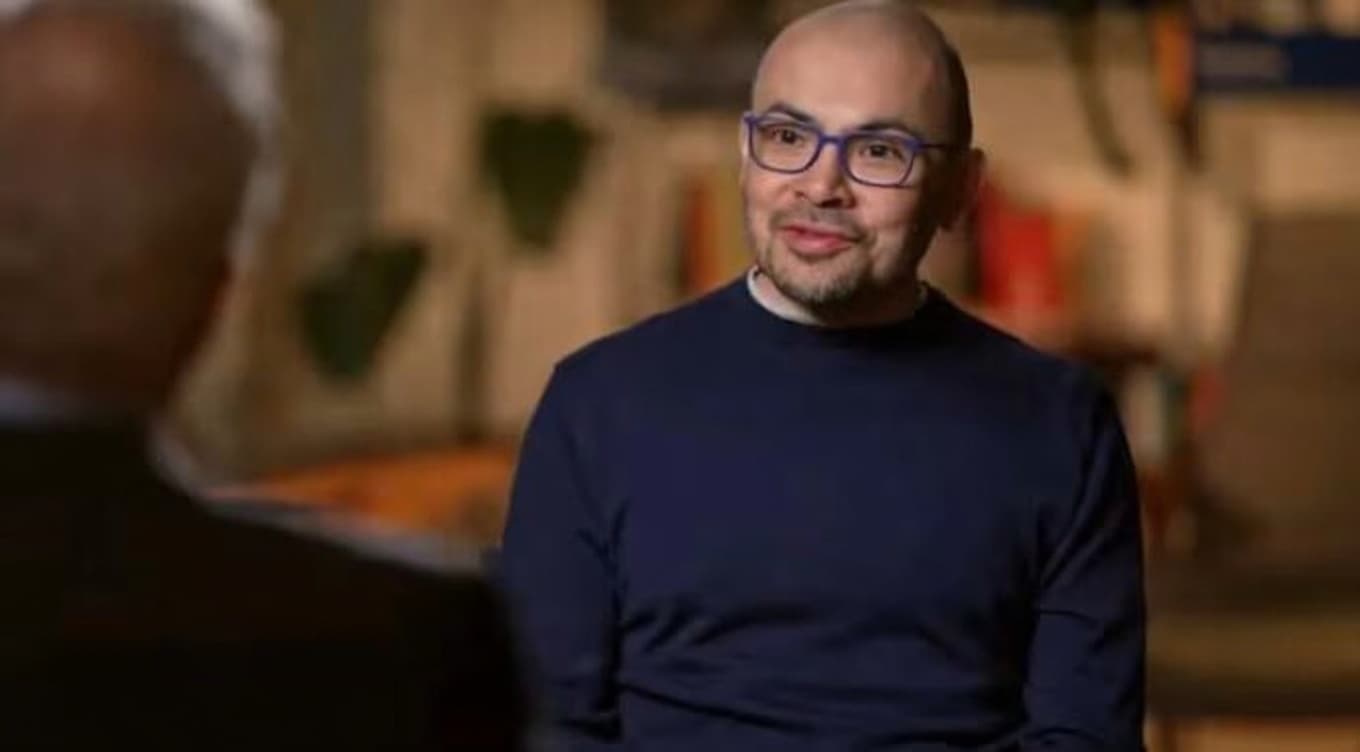
In recent remarks that have drawn global attention, Demis Hassabis, CEO of Google DeepMind, articulated a constructive vision for the future of artificial intelligence. Rather than predicting widespread job loss due to automation, he emphasizes AI’s ability to augment human capabilities, empower creativity, and accelerate productivity in ways that support human work, not eliminate it.
Hassabis’ perspective stands in contrast to more alarmist narratives about AI taking all jobs. His prediction reflects a strategic view widely held by many AI researchers and industry leaders who see machine learning and intelligent systems as tools that complement rather than supplant human talent.
Rethinking the Narrative Around AI and Jobs
The dominant early framing of AI disruption focused on the potential for mass job displacement. In sectors as diverse as manufacturing, finance, customer support, and transportation, automation has historically reduced the need for certain routine tasks. These trends sparked fears that intelligent machines could replace human workers at scale.
Hassabis reframes the conversation. He suggests that AI’s most profound impact will come from how it enables people to work better, faster, and with more insight. This view aligns with research from the McKinsey Global Institute, which indicates that while automation can reshape job tasks, it often leads to job evolution rather than elimination. Many roles adapt as new tools supplement human strengths rather than erase them.
Rather than a zero sum scenario where humans lose work opportunities, Hassabis predicts a future where AI serves as a co-pilot in many domains. The ability to analyze large data sets, spot patterns invisible to the human eye, and automate repetitive work can free up human collaborators to focus on strategy, creativity, emotional intelligence, and complex problem solving.
How AI Can Enhance Productivity and Creativity
Hassabis’ vision reflects a broader shift in the industry toward human AI collaboration. In practical terms, this means intelligent systems become partners that help professionals accomplish more:
- Doctors can use AI for advanced diagnostics and treatment planning.
- Educators can tailor learning pathways based on adaptive AI feedback.
- Scientists can accelerate discovery by letting models identify promising hypotheses.
- Artists and designers can explore creative spaces faster with AI assisted generation.
- Business leaders can make more informed decisions using predictive analytics.
For example, research from the World Economic Forum suggests that while AI may displace certain tasks, it will also create new categories of work that emphasize uniquely human skills. These include higher level roles in AI oversight, strategy design, user experience, and ethics.
Investment in AI Tools That Empower People
Another important theme in Hassabis’ prediction is the ongoing investment in AI tools designed to boost human agency rather than automate outcomes entirely. Major platforms such as TensorFlow and PyTorch, developed by leading AI labs, are already used by researchers and practitioners worldwide to build models that amplify human creativity.
Collaboration software like GitHub Copilot, which uses AI to assist programmers by suggesting code, is an example of technology that enhances work output without replacing the coder. Similarly, content creation platforms that help writers and designers iterate faster demonstrate how AI can act as an accelerator of human intention.
Ethical and Practical Guardrails
Hassabis has also stressed the need for ethical guardrails as AI continues to evolve. Responsible AI principles including fairness, interpretability, privacy awareness, and accountability must be embedded in how systems are deployed.
This emphasis on governance reflects awareness that technology advances fastest when it earns public trust. As AI becomes more embedded in everyday life, ensuring it aligns with societal values is key to broad adoption. The future of AI will be shaped as much by philosophy and policy as it is by engineering breakthroughs.
A Balanced View of AI’s Economic Impact
Predicting the future of work is never simple, especially amid rapid technological change. However, Hassabis’ outlook is grounded in observable trends:
- Automation historically reshapes not removes work roles.
- New tools often create new categories of jobs that did not exist previously.
- Human skills such as creativity, empathy, and strategic insight remain difficult to automate.
Economists at the International Labour Organization have noted that while transitions can be disruptive, they also create opportunities for upgrading skills and boosting productivity in ways that benefit economies overall.
AI’s adoption across industries from healthcare to manufacturing to education may well redefine job descriptions. But rather than being swept aside, workers are increasingly expected to work alongside intelligent systems that augment human capacity.
Topics
Covering startup news, AI, technology, and business at ThePrimely. Delivering accurate, in-depth reporting on the stories that shape the future.