
Soft EV demand may drag Tesla’s Q1 deliveries down
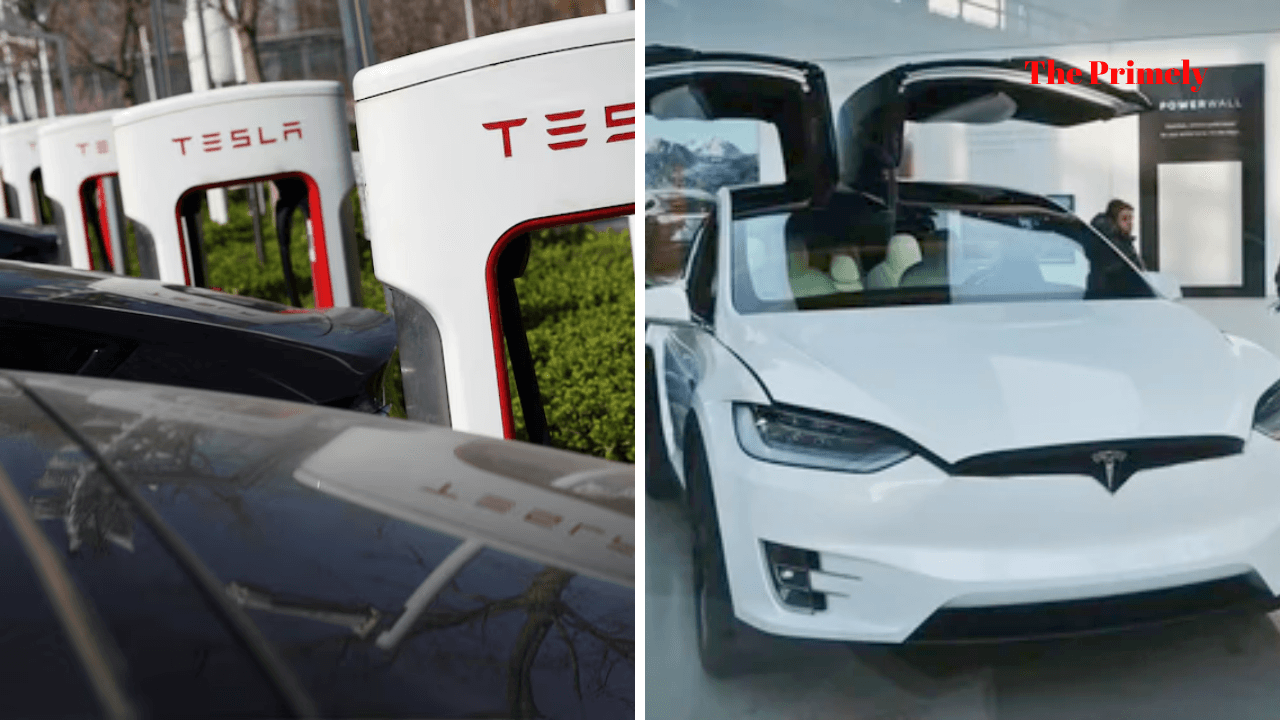
The Tesla deliveries dip expected in early 2026 marks a turning point in the global electric vehicle market. After years of rapid growth, signs are emerging that demand is slowing, forcing companies to reassess their expansion strategies.
Tesla has been the dominant player in the EV space, but current projections suggest that its quarterly deliveries may decline sequentially. This shift reflects broader changes in consumer demand, pricing dynamics, and market competition.
A Changing Demand Environment
The Tesla deliveries dip is closely linked to weakening demand in key markets. Growth in electric vehicle adoption has started to slow, especially after a period of strong post-pandemic expansion.
Higher interest rates and rising vehicle prices have made EV purchases less attractive for some consumers. At the same time, early adopters have already entered the market, leaving companies to target more price-sensitive buyers.
This transition phase is typical in emerging industries. Initial growth is driven by enthusiasm and incentives, but sustaining momentum requires deeper market penetration.
Production and Pricing Pressures
Tesla has responded to softer demand with aggressive pricing strategies. Price cuts in several markets were intended to stimulate sales and maintain volume growth.
However, these moves have created pressure on margins. Lower prices may help increase demand, but they also reduce profitability, especially when production costs remain high.
The Tesla deliveries dip reflects this balancing act. The company must maintain output levels while ensuring that vehicles find buyers in a more competitive environment.
Competition Intensifies Globally
The electric vehicle market is no longer dominated by a few players. Traditional automakers and new entrants have expanded their EV offerings, increasing competition.
In China, one of Tesla’s largest markets, local manufacturers are offering more affordable models with advanced features. In Europe and the United States, established carmakers are accelerating their EV transitions.
This growing competition means Tesla cannot rely solely on brand strength. It must continuously innovate and adjust its pricing and product strategy to stay ahead.
Industry Impact and Market Signals
The Tesla deliveries dip is not just about one company. It signals a broader shift in the EV industry. Growth is becoming more complex, with demand influenced by economic conditions, government policies, and consumer preferences.
Investors are closely watching these trends. A slowdown in deliveries could affect expectations around future revenue growth and profitability.
At the same time, the long-term outlook for electric vehicles remains strong. Governments continue to push for cleaner energy solutions, and technological advancements are improving battery performance and cost efficiency.
Strategic Implications for Tesla
Tesla’s current situation highlights the importance of adaptability. The company must manage supply, pricing, and innovation simultaneously.
Expanding into new markets, improving manufacturing efficiency, and developing more affordable models will be critical. Tesla’s ability to navigate this phase will determine whether it can sustain its leadership position.
The Tesla deliveries dip also raises questions about the pace of EV adoption. While the transition to electric vehicles is ongoing, the path may be less smooth than previously expected.
Topics
Covering startup news, AI, technology, and business at ThePrimely. Delivering accurate, in-depth reporting on the stories that shape the future.