
Gold demand improves in India as prices ease amid global volatility
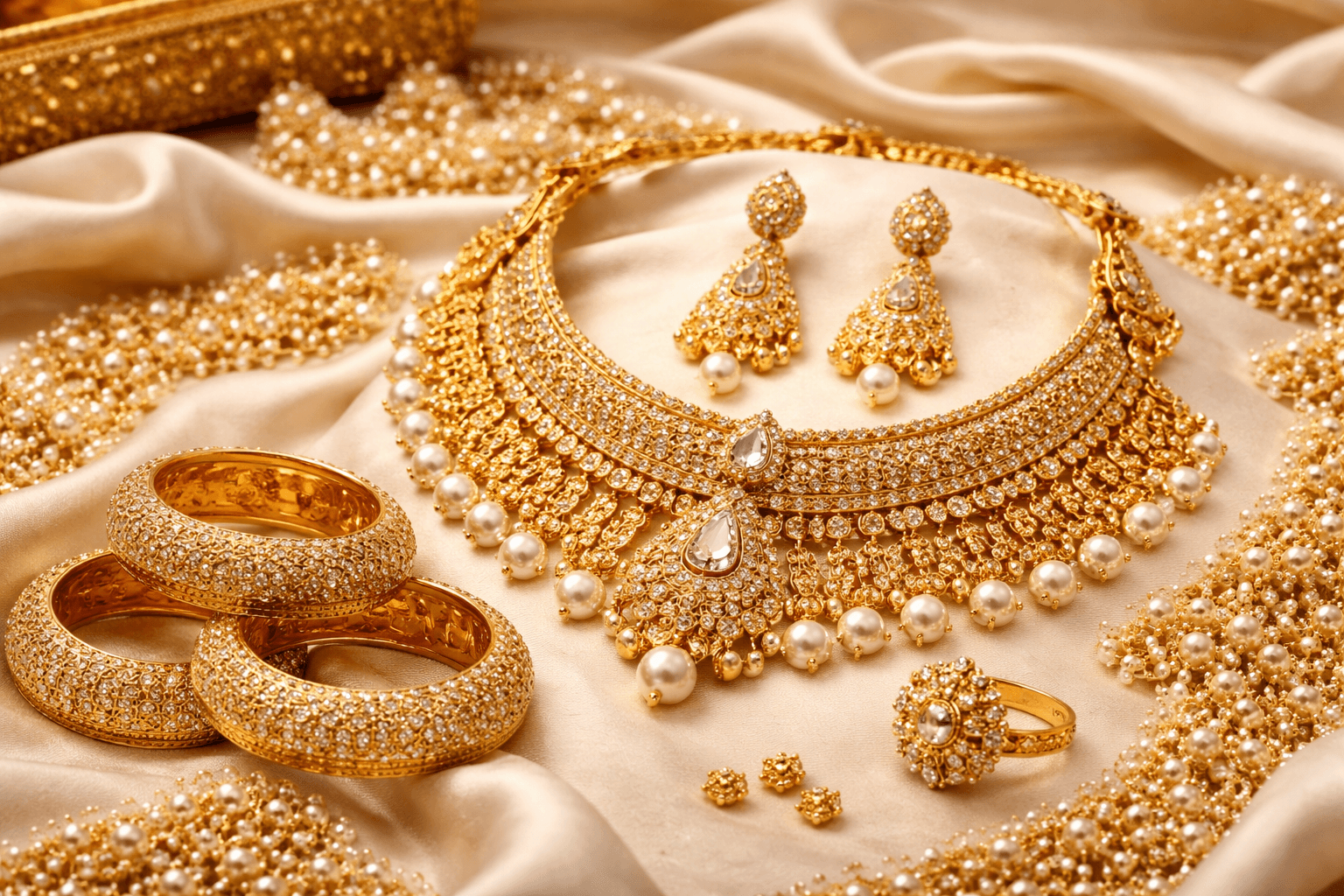
China sees softer buying as global bullion prices fluctuate between policy signals and geopolitical risks
Gold demand improves in India after prices eased from recent highs, attracting cautious buyers into the market. Dealers reported renewed interest from jewellery buyers and small investors. However, many consumers remain watchful due to continued price volatility.
According to Reuters, bullion dealers in India offered discounts of up to 61 dollars per ounce over official domestic prices this week. The discount narrowed from around 75 dollars last week, suggesting a gradual return of demand.
Domestic gold prices were reported near 141,000 rupees per 10 grams, significantly lower than the monthly peak of 169,880 rupees earlier in March. Analysts say lower prices often encourage retail buyers, especially during wedding and festival seasons.
Meanwhile, volatility in global bullion markets continues to influence purchasing decisions. Spot gold traded between 4,100 dollars and 4,600 dollars per ounce during the week, reflecting uncertainty linked to monetary policy expectations and currency fluctuations.
Market context behind gold demand improves trend
Gold prices have remained sensitive to signals from central banks and geopolitical developments. A stronger US dollar has pressured bullion prices, therefore reducing the appeal of gold as a non-yielding asset.
However, analysts note that gold still retains its safe-haven role during periods of uncertainty. Ongoing geopolitical tensions and inflation concerns continue to influence investment behaviour globally.
Additionally, the World Gold Council noted that price volatility has softened jewellery demand in recent months. Nevertheless, structural support remains strong due to long-term investment interest and central bank purchases.
Historically, Indian gold demand responds quickly to price corrections. Festivals such as Ugadi and Gudi Padwa typically support seasonal purchases, although buying volumes remain below long-term averages.
China demand softens as premiums narrow
China, one of the world’s largest gold consumers, has reported softer physical demand in recent weeks. Premiums in the Chinese market narrowed to between 14 dollars and 18 dollars per ounce, compared with 10 dollars to 22 dollars previously.
Market observers say lower premiums indicate reduced urgency among buyers. However, underlying support remains due to central bank purchasing activity and continued cultural preference for gold investment.
In other Asian trading centres, premiums remained modest. Singapore recorded small premiums or slight discounts, while Japan and Hong Kong traded close to global benchmark prices.
Singapore has also announced plans to strengthen its role as a regional gold trading hub. Authorities aim to improve infrastructure related to trading, storage, and clearing of precious metals.
Impact on Indian consumers and jewellery sector
India remains one of the largest global consumers of physical gold, driven by cultural demand and wedding-related purchases. Jewellery demand forms a significant share of total gold consumption.
Market participants indicate that buyers often delay purchases when prices rise sharply. Therefore, even small price corrections can influence retail sentiment.
Recent data suggests that volatility in the rupee and international markets has caused jewellers to adopt a cautious approach. Many dealers prefer to wait for stable pricing before restocking inventory.
Additionally, analysts expect demand to gradually recover as price stability improves. The World Gold Council suggests seasonal factors may support consumption in the coming months, particularly in smaller cities and rural markets.
Investment demand for gold has also increased in recent years. Exchange-traded funds linked to gold have seen steady inflows, reflecting diversification strategies among investors.
Global outlook for gold markets
Gold prices remain influenced by several global factors, including interest rate expectations, inflation outlook, and geopolitical tensions.
Lower oil prices have reduced inflation concerns, which can affect expectations of future interest rate changes. Changes in interest rate outlook often influence investor demand for bullion.
Central banks continue to diversify reserves through gold purchases, providing structural support to global demand. Analysts suggest this trend may continue through 2026 amid ongoing economic uncertainty.
Despite recent fluctuations, gold remains an important asset class for both investors and jewellery buyers across Asia. Market participants are closely monitoring currency movements and global policy decisions.
As price volatility continues, both Indian and Chinese markets are expected to respond cautiously. Short-term demand trends may remain sensitive to global developments and domestic price movements.
Topics
Covering startup news, AI, technology, and business at ThePrimely. Delivering accurate, in-depth reporting on the stories that shape the future.