
White House Shooting: What Happened in Washington and Why It Matters Now
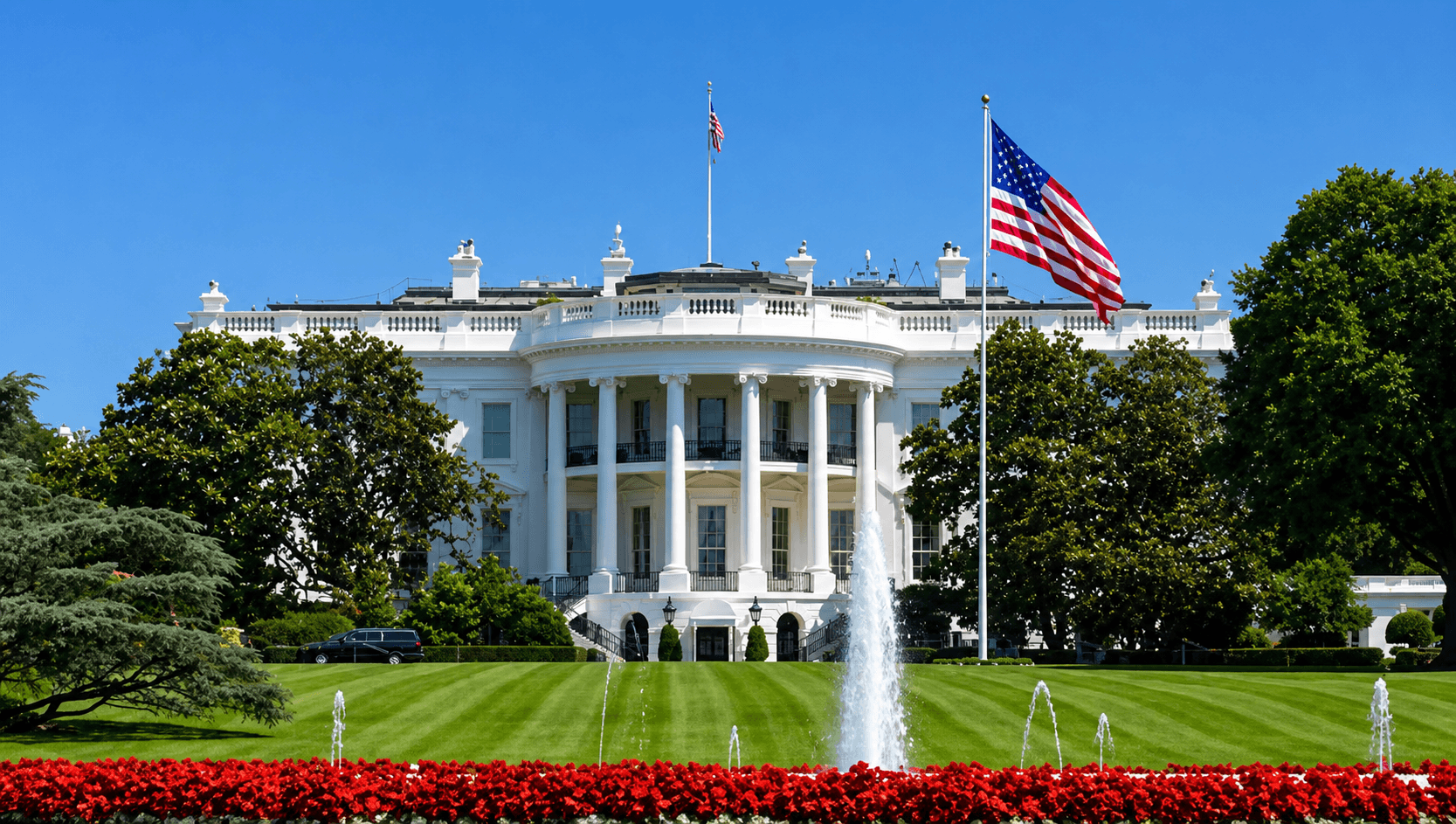
A Sudden Security Shock in the Heart of Power
A White House shooting triggered immediate alarm in Washington DC. The incident unfolded near one of the most secure zones in the world. Within minutes, authorities imposed a lockdown. Evacuations followed swiftly.
Law enforcement confirmed that a person was shot by officers during the confrontation. The situation escalated quickly but was contained just as fast. No threat reached the White House complex itself. However, the proximity raised serious concerns.
What Exactly Happened Near the White House
The incident occurred close to the Washington Monument area. Reports indicate that law enforcement identified an individual posing a potential threat. Officers engaged after the suspect reportedly refused to comply.
The individual was shot by security personnel. Authorities have not confirmed full details about the suspect’s intent. However, officials stated that there was no ongoing threat after the encounter.
The White House was briefly placed under lockdown. Security teams evacuated certain nearby areas as a precaution. The lockdown lasted for a short period before normal operations resumed.
Understanding the Security Response
The response highlights the efficiency of the US Secret Service and local law enforcement. Their actions followed strict protocols designed for high-risk zones. First, the area was secured immediately. Then, authorities isolated the threat. Finally, evacuation and communication protocols were activated.
This layered response prevented escalation. It also ensured public safety in a densely populated and politically sensitive area. Importantly, the speed of action reflects years of investment in security infrastructure around federal landmarks.

Why Such Incidents Are Taken Seriously
Any security breach near the White House carries global implications. This location is not just symbolic. It represents the core of US executive power. Even a minor threat triggers a full-scale response. This is due to past incidents and evolving global security risks.
In recent years, authorities have strengthened surveillance, intelligence coordination, and rapid response systems. Despite that, isolated incidents still occur. Each one tests the system’s readiness.
Operational and Strategic Implications
This White House shooting underscores the importance of real-time threat detection. It also reinforces the need for rapid decision-making under pressure. From a strategic perspective, such incidents influence policy discussions. Governments often review security frameworks after such events.
Additionally, public perception plays a role. Even brief lockdowns can impact confidence. Therefore, transparency and communication become critical. The incident also highlights coordination between federal and local agencies. This cooperation remains essential for managing urban security threats.
What This Means for Security Moving Forward
The incident may lead to tighter perimeter controls. Authorities could increase surveillance in surrounding areas. Moreover, intelligence sharing may see further improvements. Early detection remains the key priority. There is also a growing focus on behavioral threat assessment. Identifying risks before escalation is becoming central to modern security strategy.
While the system worked effectively in this case, continuous upgrades remain necessary. This was not just an isolated incident. It was a real-time stress test of one of the world’s most advanced security systems. The response was swift and controlled. That reflects strong operational discipline. However, the incident also reveals a persistent challenge.
Security threats are evolving. Therefore, response systems must evolve faster. The takeaway is clear. Preparedness is not static. It requires constant refinement, investment, and vigilance.
A Controlled Crisis With Lasting Lessons
The White House shooting did not escalate into a larger crisis. However, its significance cannot be ignored.
It demonstrated both strength and vulnerability. The system worked, but the risk remains real. Going forward, the focus will shift toward prevention rather than reaction. That is where the next phase of security evolution lies.
FAQ's
What caused the White House lockdown?
A shooting incident near the White House triggered a temporary lockdown as a precautionary measure.
Was the White House directly attacked?
No. The threat was contained nearby and did not reach the White House complex.
Who responded to the incident?
The US Secret Service and local law enforcement handled the situation.
Was anyone injured?
The suspect was shot by law enforcement. No additional injuries were reported.
Is the area safe now?
Yes. Authorities confirmed that the situation was under control shortly after the incident.
Will security measures change after this event?
It is likely. Such incidents often lead to reviews and enhancements in security protocols.
Topics
Covering startup news, AI, technology, and business at ThePrimely. Delivering accurate, in-depth reporting on the stories that shape the future.