
Polling Day Diary: Bengal’s Two Types of Voters Explained
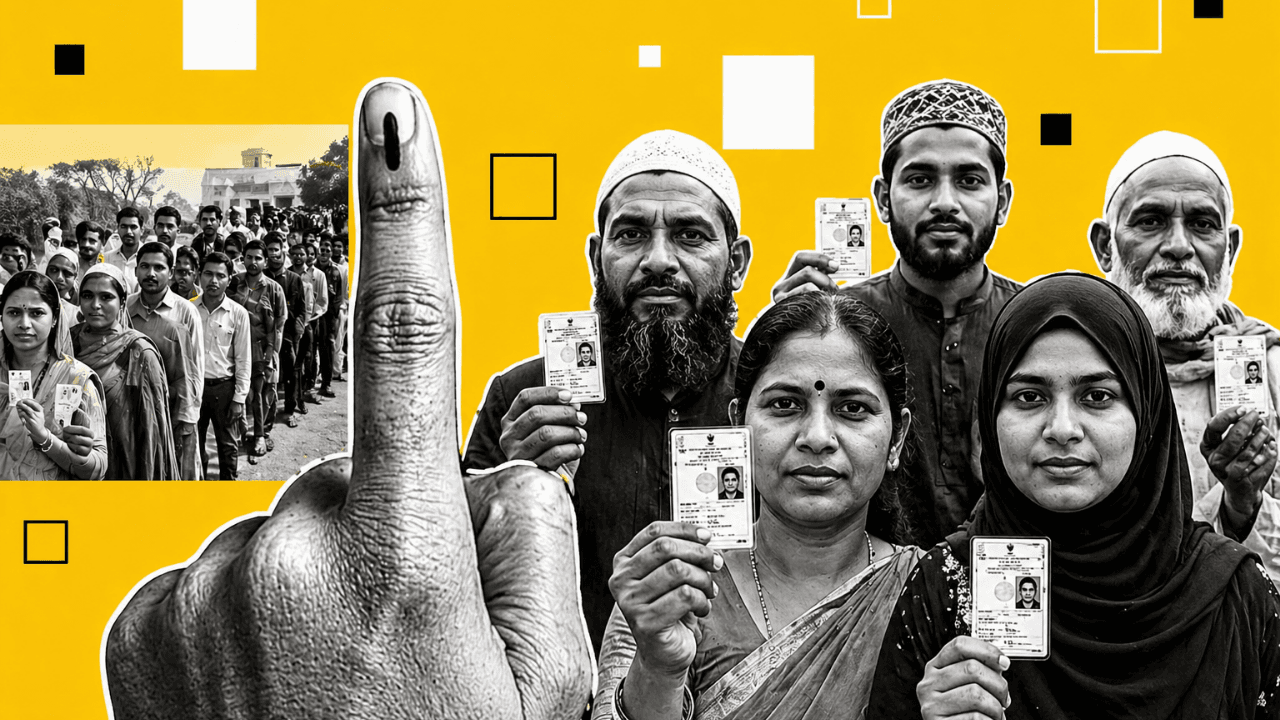
West Bengal voter turnout in the first phase of the 2026 Assembly elections has drawn national attention, not just for its record numbers but for what lies beneath. While official data shows participation crossing 90 percent, the figures also reflect a deeper shift in the electoral landscape.
The high turnout signals strong engagement, but it also raises questions about who was able to vote and who was not.
Record Numbers in Phase One
The first phase of polling covered 152 constituencies across 16 districts, with turnout reaching over 90 percent, one of the highest in recent history.
This surge reflects strong voter enthusiasm, with participation seen across rural and urban areas. Early trends during polling day also indicated a steady rise in turnout as the day progressed.
Compared to previous elections, the scale of participation marks a significant jump, suggesting heightened political interest and mobilization.
The “Two Types of Voters” Issue
However, the headline turnout masks a critical issue. Reports indicate that the election has effectively created two categories of voters: those who were able to vote and those whose names were removed or remain under review in the voter rolls.
This situation emerged after a large-scale revision of electoral rolls, where lakhs of names were deleted during verification processes. As a result, some eligible individuals reportedly could not participate in the election.
The issue has triggered debate about the accuracy and fairness of voter list revisions, especially in a high-stakes election.
Why Turnout Increased Despite Fewer Voter
Interestingly, even with a reduction in the number of registered voters, the total number of people voting has increased. Reports suggest that millions more voters participated compared to previous elections, indicating a strong push to cast ballots.
One reason is the return of migrant voters who came back to ensure their participation amid concerns about exclusion. This trend highlights how voter awareness and urgency can drive turnout even under constraints.
At the same time, the removal of duplicate or inactive names may have inflated the turnout percentage.
Political and Social Impact
The turnout figures are already being interpreted politically. High participation is often seen as a sign of strong public engagement and can influence narratives around mandate and legitimacy.
However, the debate over excluded voters introduces a more complex picture. It raises concerns about representation, access, and the integrity of electoral processes.
For political parties, this creates both an opportunity and a challenge. While higher turnout can indicate support, questions about voter inclusion may affect public perception.
Strategic Implications
The West Bengal voter turnout story reflects a broader issue in Indian elections: the balance between maintaining accurate voter rolls and ensuring maximum participation.
Election authorities face the challenge of removing invalid entries while avoiding the exclusion of genuine voters. The outcome of this balance can shape both election results and public trust in democratic institutions.
As future phases of voting continue, this issue is likely to remain a key point of discussion.
Topics
Covering startup news, AI, technology, and business at ThePrimely. Delivering accurate, in-depth reporting on the stories that shape the future.