
US Military’s AI Partnerships Raise Questions After Anthropic Omission
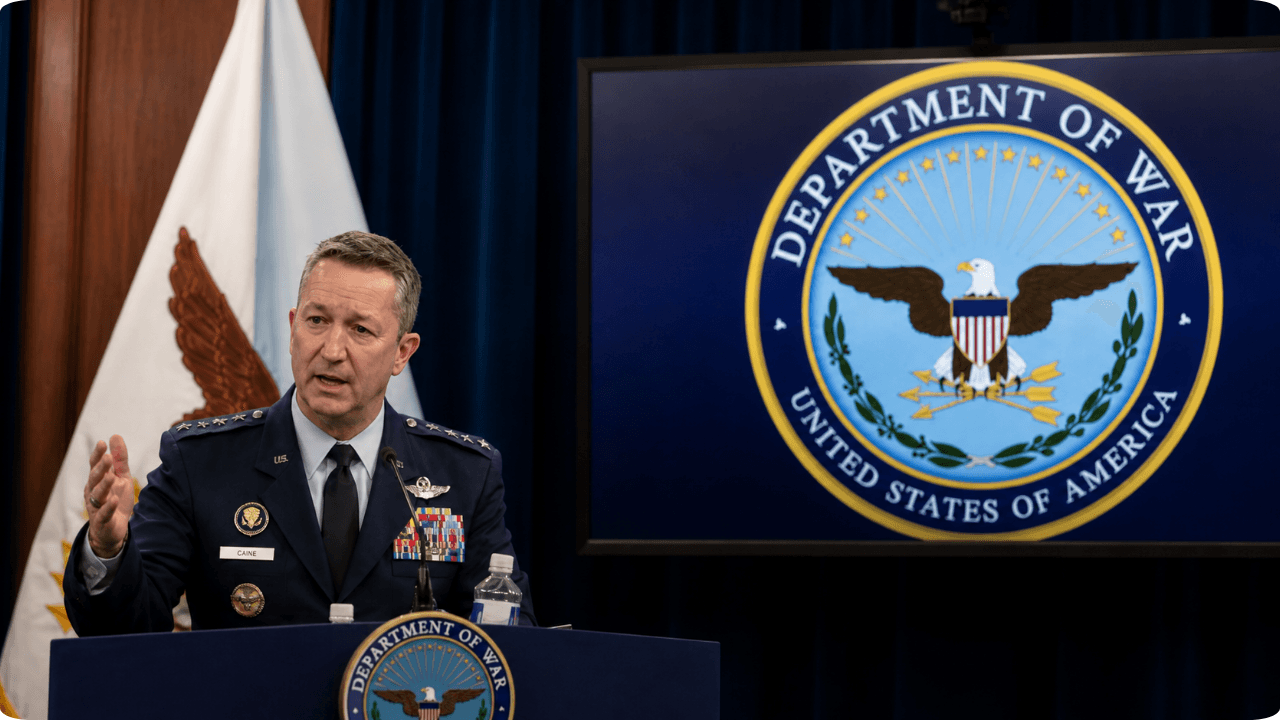
The US military AI deals with leading technology companies mark a major step in integrating artificial intelligence into defense operations, with the Pentagon partnering with seven major firms to deploy AI tools across classified systems in a move aimed at enhancing decision-making, operational efficiency, and battlefield awareness while signaling a deeper alignment between Silicon Valley and national security priorities.
The companies involved include Google, Microsoft, Amazon Web Services, Nvidia, OpenAI, SpaceX, and Reflection, whose technologies will be integrated into secure military networks to support logistics, intelligence analysis, and real-time operational planning, reflecting a growing reliance on AI to maintain strategic advantage in modern warfare.
AI Moves Into Classified Systems
The US military AI deals focus on deploying advanced tools within highly secure classified environments operating at the highest levels of data sensitivity, where AI capabilities are expected to process large volumes of information, improve situational awareness, and significantly enhance the speed and accuracy of military decision-making.
Officials indicate that the goal is to create an “AI-first” military capable of responding quickly to complex threats, while the Pentagon’s multi-vendor strategy aims to reduce reliance on a single provider and improve resilience, innovation, and access to a broader range of technologies and expertise across defense systems.
Why Anthropic Is Missing
A notable aspect of the US military AI deals is the absence of AI company Anthropic, whose exclusion follows a dispute with the Pentagon over how its technology could be used, as the company reportedly refused unrestricted military use of its systems citing ethical concerns including potential applications in autonomous weapons and mass surveillance.
The Pentagon, however, maintained that AI tools must be available for all lawful uses, and this disagreement escalated into a legal conflict that led to Anthropic being labeled a supply-chain risk and ultimately excluded from the current partnerships, highlighting the growing tension between AI ethics and national security demands.
Industry and Ethical Reactions
The US military AI deals have triggered mixed reactions across the tech industry, where some employees have raised concerns about ethical implications and risks to civilians while supporters argue that such collaborations are necessary to maintain technological superiority in an increasingly competitive global landscape.
The agreements include safeguards such as human oversight and compliance with legal standards aimed at addressing accountability and misuse concerns, yet debates continue over the extent to which AI should be integrated into defense systems, indicating that this tension will shape future policies and partnerships.
Topics
Covering startup news, AI, technology, and business at ThePrimely. Delivering accurate, in-depth reporting on the stories that shape the future.